

 Visit our Showroom
LEARN ERGONOMICS
Learn the basics of ergonomics with our simple guide.
What is Ergonomics?
In simple terms, ergonomics is the science of making things fit the person. Usually, we try to adapt to our environment (like hunching over a short desk). Ergonomics flips that, it’s about changing the desk, the tool, or the task to fit your body and your needs. The goal is to make work and daily life more comfortable, efficient, and safe.
The goal is simple: to make sure you are comfortable, safe, and able to do your best work without hurting your body.
Why is it Important?
Ergonomics isn’t just about “feeling good” at work, it’s about long-term health. When your environment fits you properly, you experience:
-
Less Pain: It prevents “wear and tear” on your joints and muscles (like back pain or carpal tunnel).
-
More Energy: You don’t get as tired when your body isn’t straining to stay in an awkward position.
-
Better Focus: It’s hard to work when you’re distracted by a sore neck. Good ergonomics helps you stay productive.
-
Safety: It reduces the risk of long-term injuries that can happen from repeating the same wrong movement thousands of times.
Home Ergonomics
It focuses on the subtle ways your living space supports natural movement and safety during daily chores and relaxation. It involves everything from the height of kitchen counters to prevent back strain while cooking, to the supportive quality of a mattress or the placement of lighting to reduce eye fatigue during evening reading. By optimizing the “flow” of a home, you reduce the risk of accidental trips and minimize the repetitive physical stress caused by common household tasks.
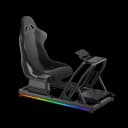
Gaming Ergonomics
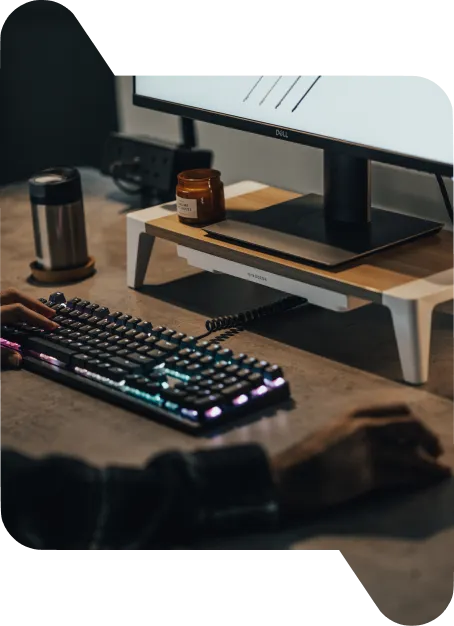
Gaming Ergonomics is specialized for high-intensity, long-duration interaction with digital interfaces where quick reflexes and sustained focus are required. It prioritizes maintaining a neutral spine and supporting the arms to prevent repetitive strain injuries like carpal tunnel or “gamer’s thumb.” Beyond physical seating, it also addresses visual health through monitor positioning and the reduction of blue light exposure to ensure that the excitement of play doesn’t lead to long-term physical exhaustion or nerve compression.
Workplace or Office Ergonomics
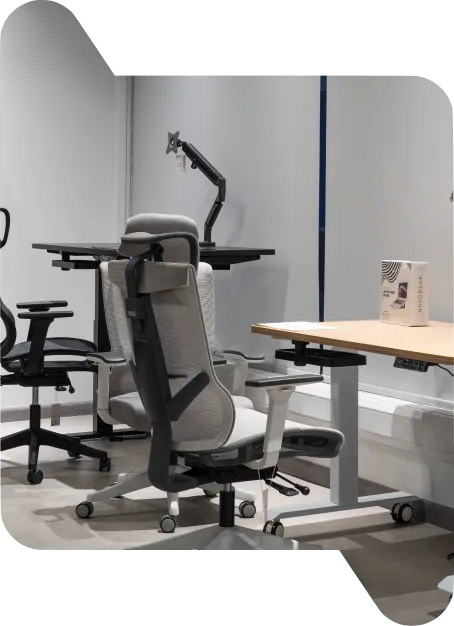
Focuses on the professional environment, where sitting or standing in static positions for hours can lead to chronic musculoskeletal issues. It emphasizes the “90-90-90” rule, keeping elbows, hips, and knees at 90-degree angles and ensuring that the primary tools of the trade are positioned to keep the body in a neutral, relaxed state. The goal is to create a workspace that sustains high productivity and mental clarity by eliminating the physical distractions of discomfort and fatigue.
Product Ergonomics
Simply put, it’s designing handheld tools and consumer goods so they feel like an intuitive extension of the user’s body. This includes the curvature of a toothbrush handle, the weight distribution of a power drill, or the button layout on a remote control. A well-designed product accounts for various hand sizes and grip strengths, ensuring that the user can operate the item with minimal effort and maximum control, effectively removing the “friction” between a person and the tool they are using.
Discover the World of NAVO




Already convinced? - Shop the Ergonomic Collection