

 Visit our Showroom
 +971 585905046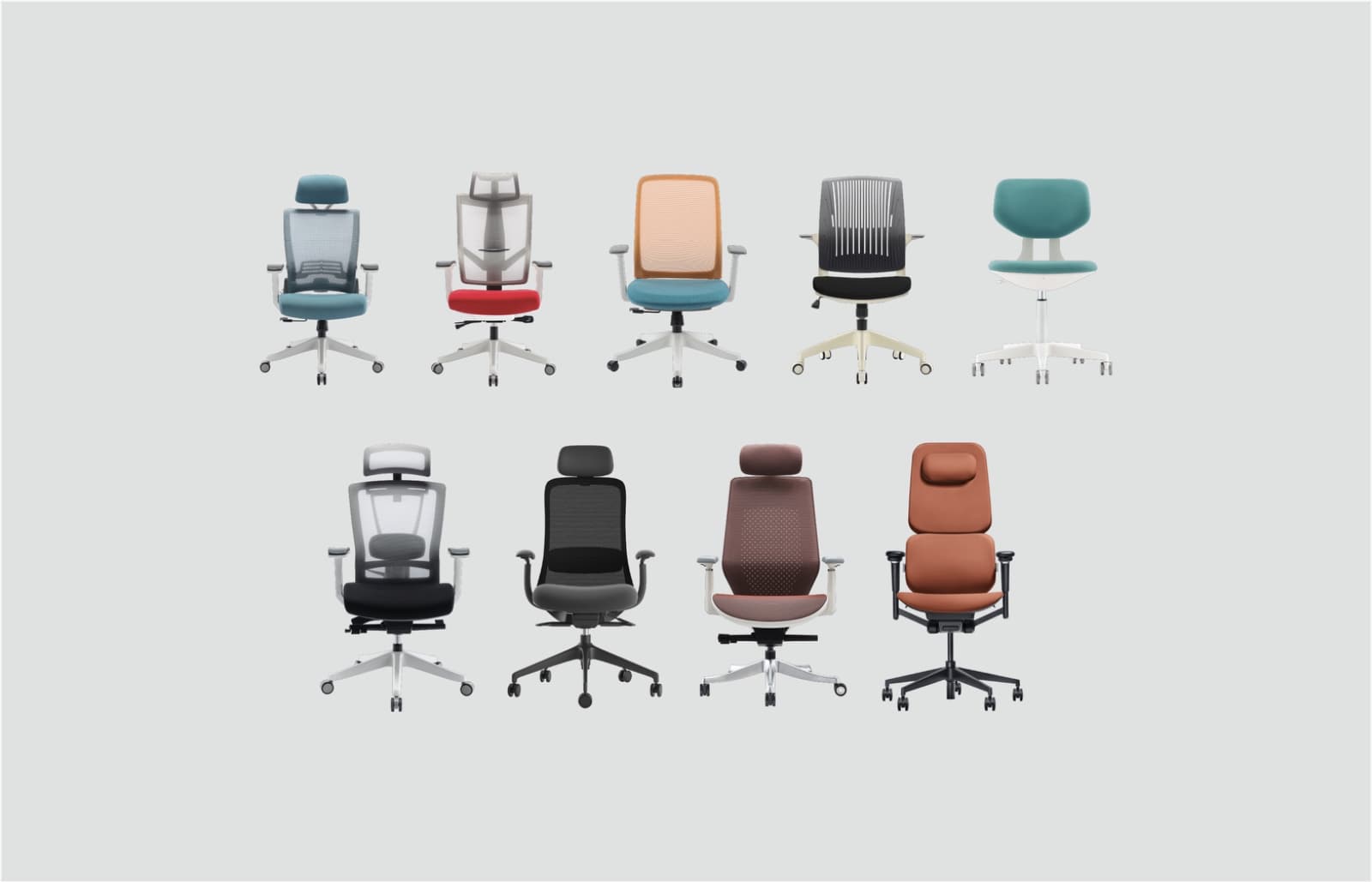
Take me to
Enhancing Posture for Health and Well-being
Traditional chairs often lack proper lumbar support, and modern furniture focuses on providing an ultimate solution to this issue. Modern chairs feature adjustments for seat height, depth, and backrest angle. This way, it ensures appropriate alignment and an upright body posture. With this solution, workers can prevent spinal compression and back pain that result from improper posture. It aligns with the spine's natural curve and eases the pressure on vertebrae. Its armrests keep the elbows at a 90-degree angle comfortably and keep the shoulders relaxed simultaneously, ensuring a neutral posture. Such adjustments make it an ideal option for longer work hours, maintaining daily productivity. Additional features like tilt and recline functions allow users to shift positions as needed, reducing stiffness and improving circulation. Ergonomic chairs are comfortable and flexible options for office furniture in modern times.
Reducing Fatigue and Physical Stain
Fatigue significantly affects employees' productivity, leading to muscle strain, joint pain, and other discomfort. Modern furniture with ergonomic designs can minimize such problems by providing appropriate spinal support and the advantage of circulation. It encompasses a waterfall seat edge, which curves downward at the front, which will help to promote blood flow and reduce thigh pressure to improve productivity.
Promoting Mental Focus and Efficiency
Mental health comes from physical comfort and well-being. In a modern office, a comfortable chair is the primary option to enhance the comfort of employees. The featured comfort of modern office ergonomic furniture can help workers stay mentally focused on tasks. Employees who contribute to a healthy work environment experience higher job satisfaction.
Popular Ergonomic Features in Modern Office Chairs
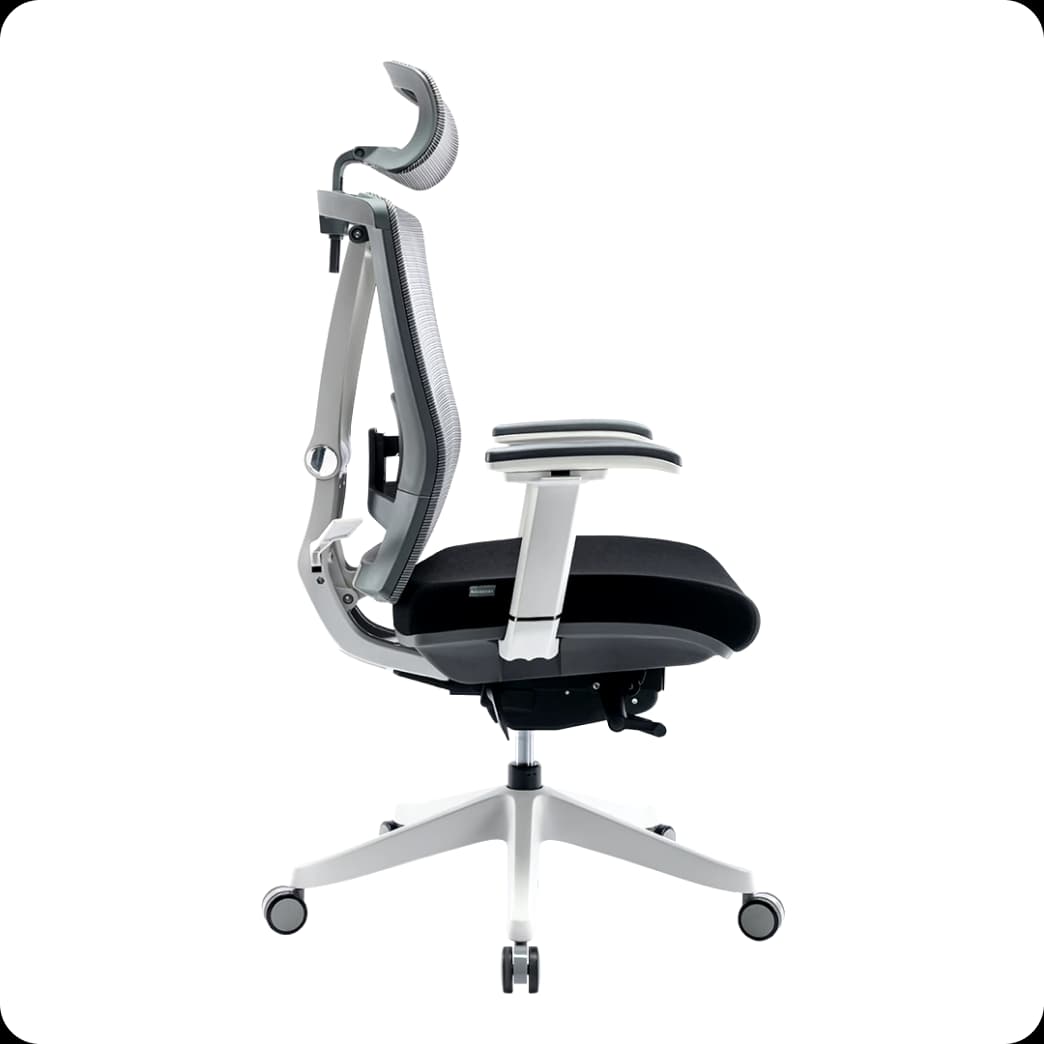
The Adjustable Lumbar Support: This feature provides enough support for the lower back in line with the body's natural curve, reducing strain on the spine.
Waterfall Seat Edge: This is a distinctive feature of modern chairs compared to traditional ones. This solution allows users to enhance leg circulation by reducing thigh pressure.
Recline and Tilt Mechanism: This is one of the notable features of ergonomic furniture in the modern office. It allows users to shift the position of the chairs according to their needs and reduces stiffness accordingly by promoting circulation.
Adjustable Seat Height and Depth: This feature allows the user to keep the size of the chair as per their comfort. It supports the lower back's natural curve by reducing the spine's strain.
Adjustable Armrests: This supports the shoulders and arms by reducing the strain on the neck and shoulders.
Need Help Building Your Ergonomic Setup?
We'll guide you to the perfect chair, desk setup, and comfort tips for a productive workday.
Boost Productivity with Perfect Posture
Discover Ergonomic Chairs Designed to Keep You Focused and Comfortable!
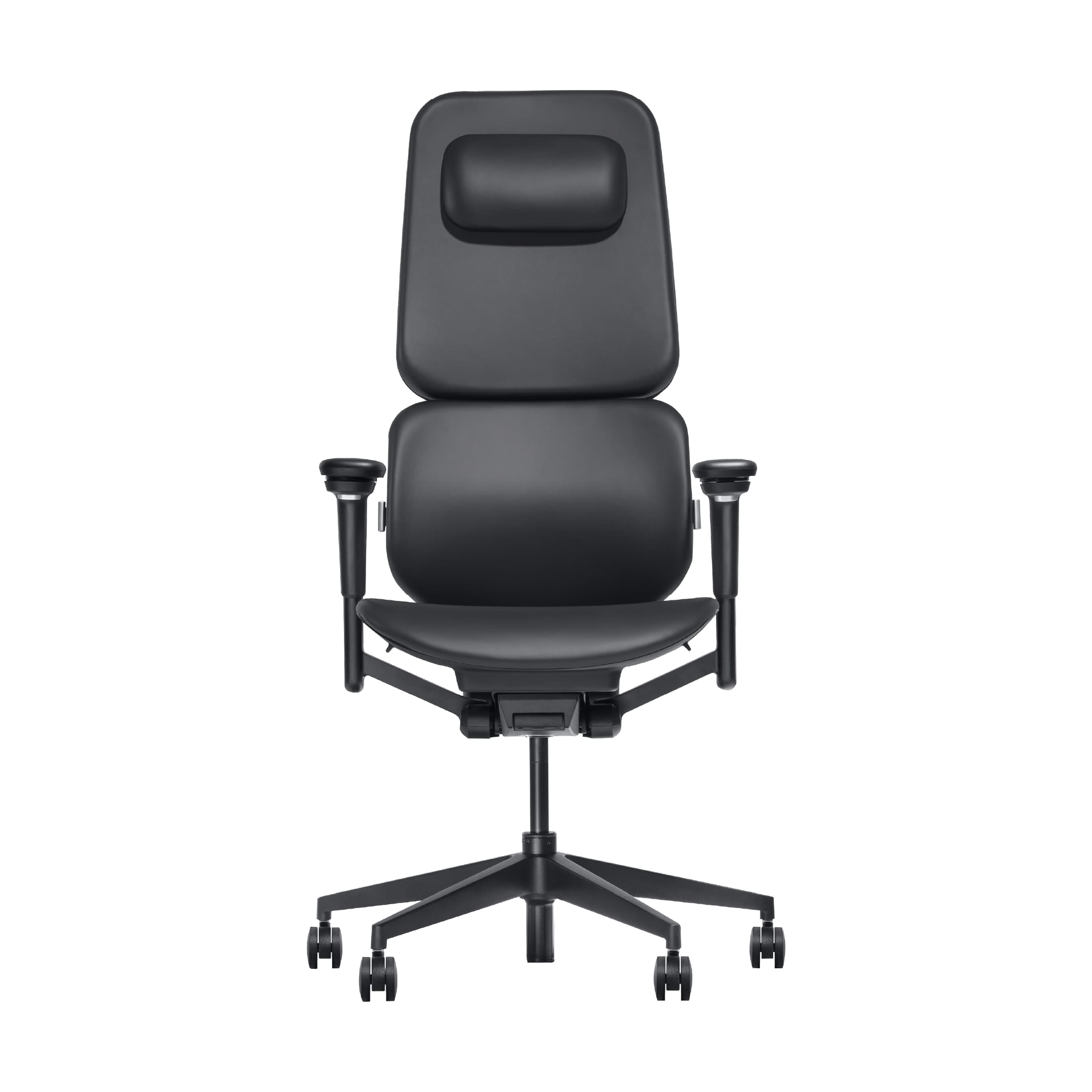
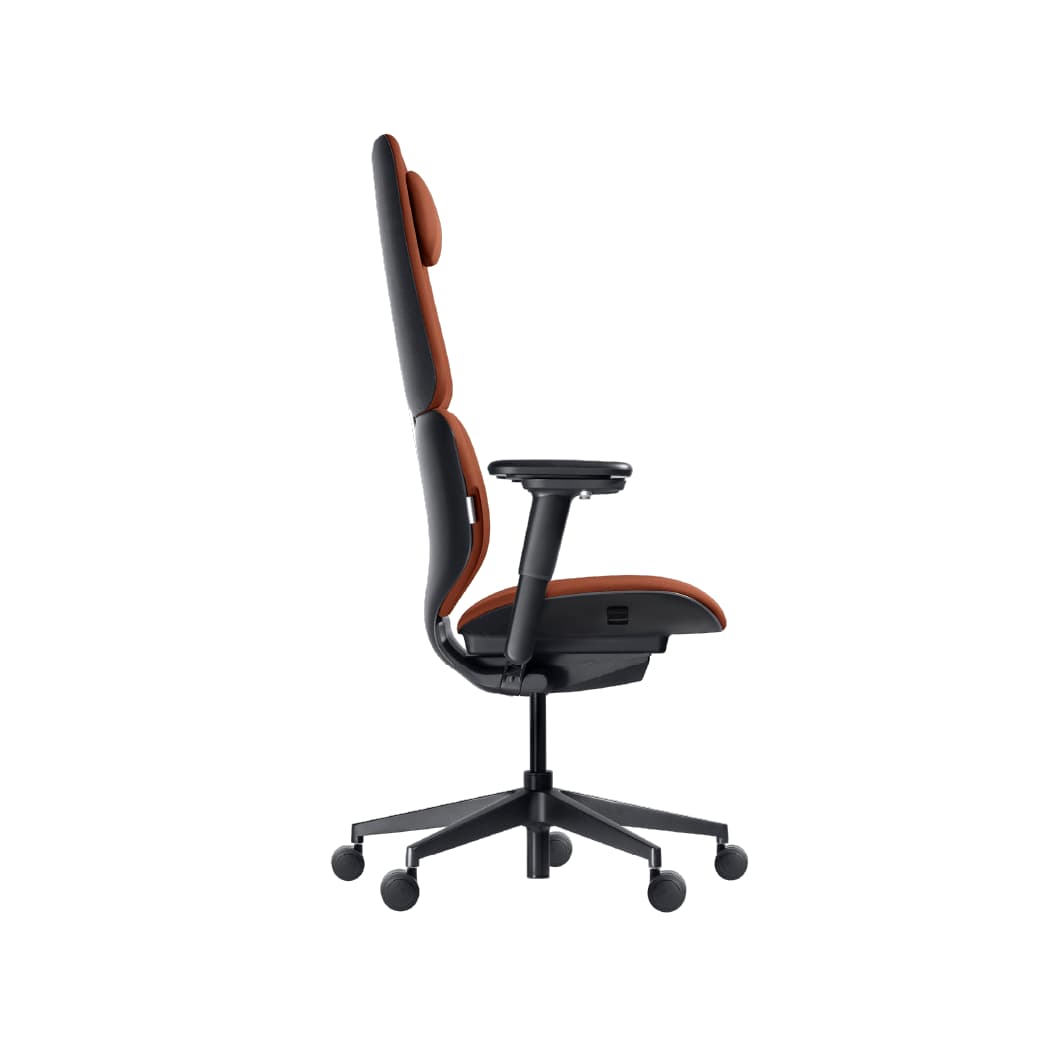
 1,699
1,699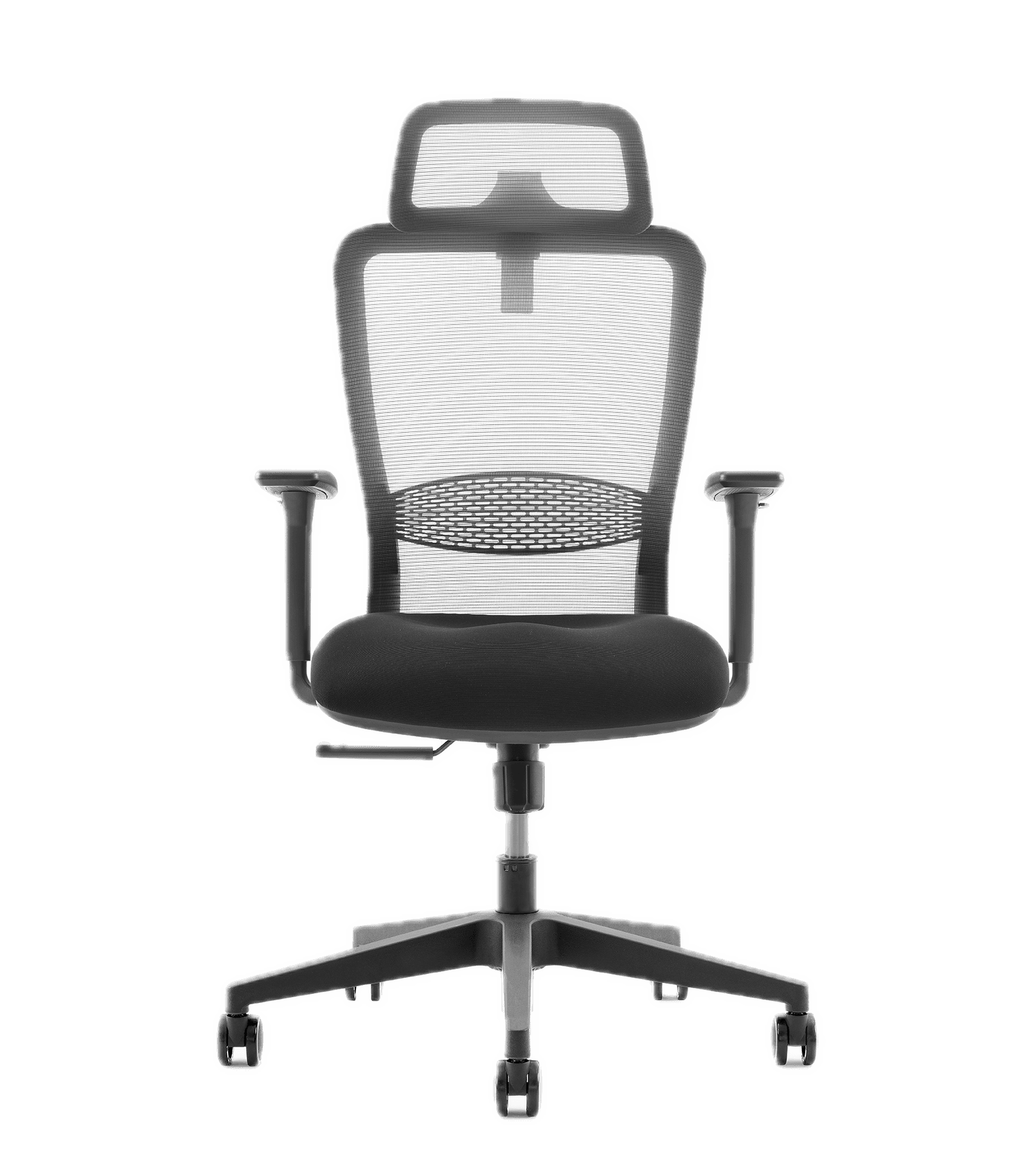
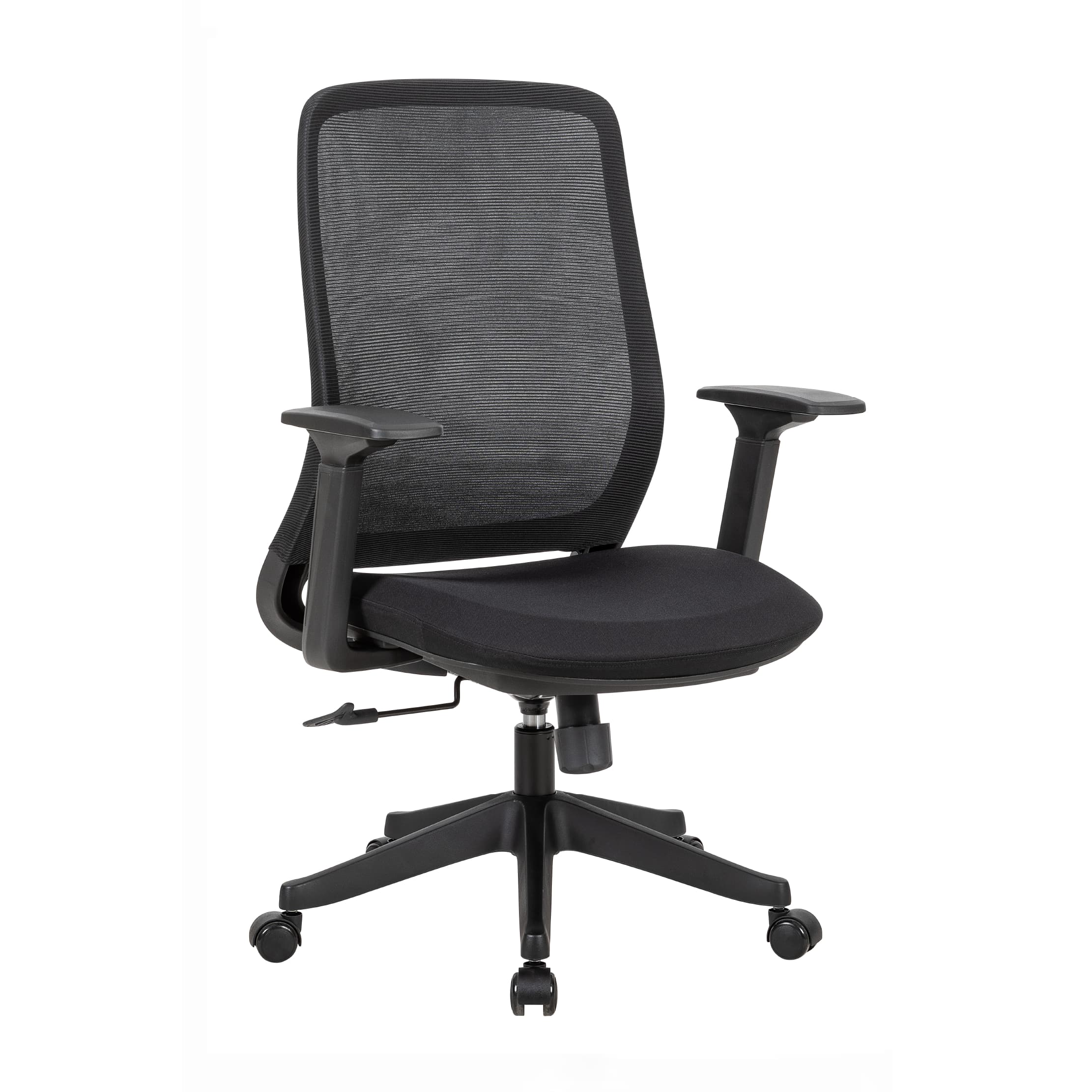
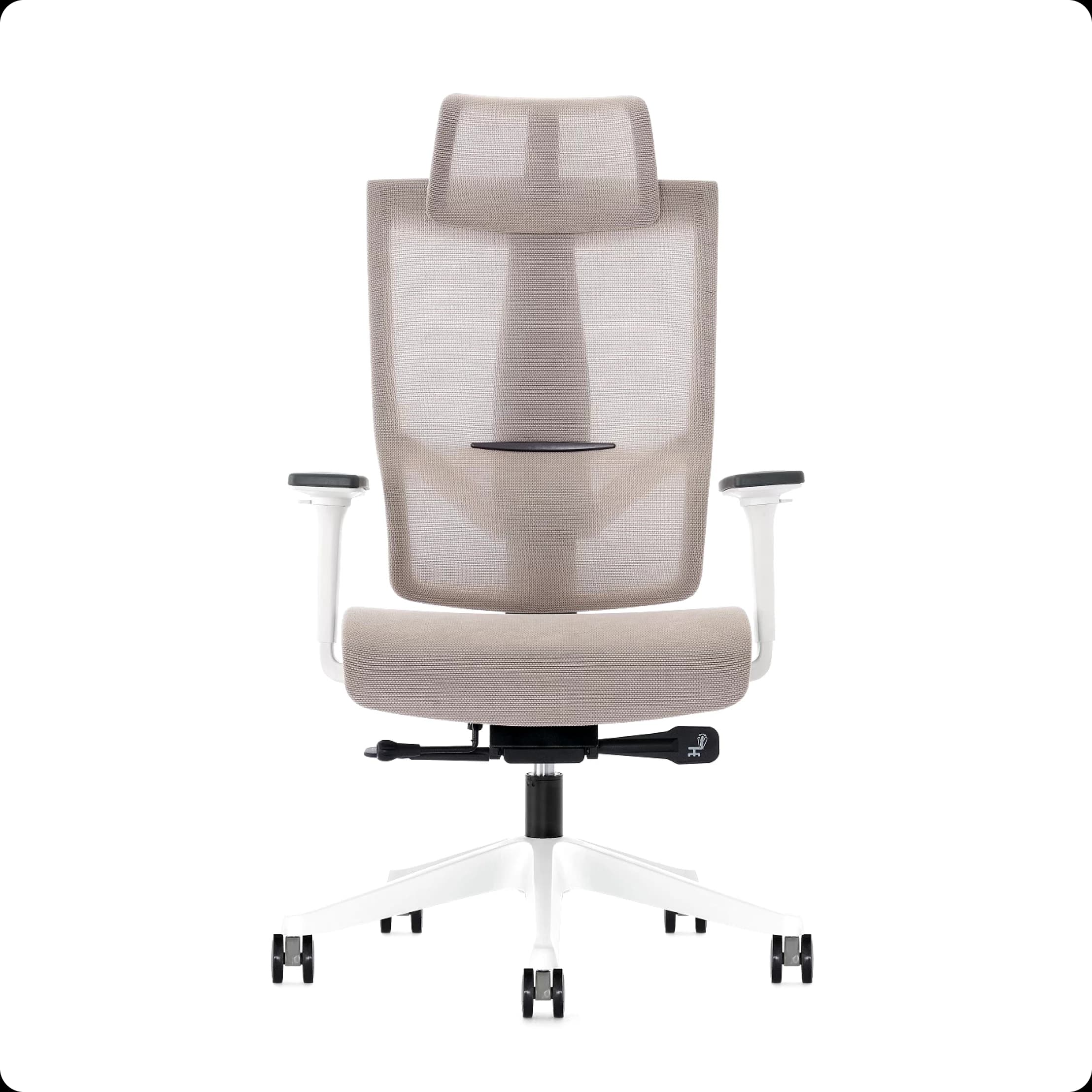
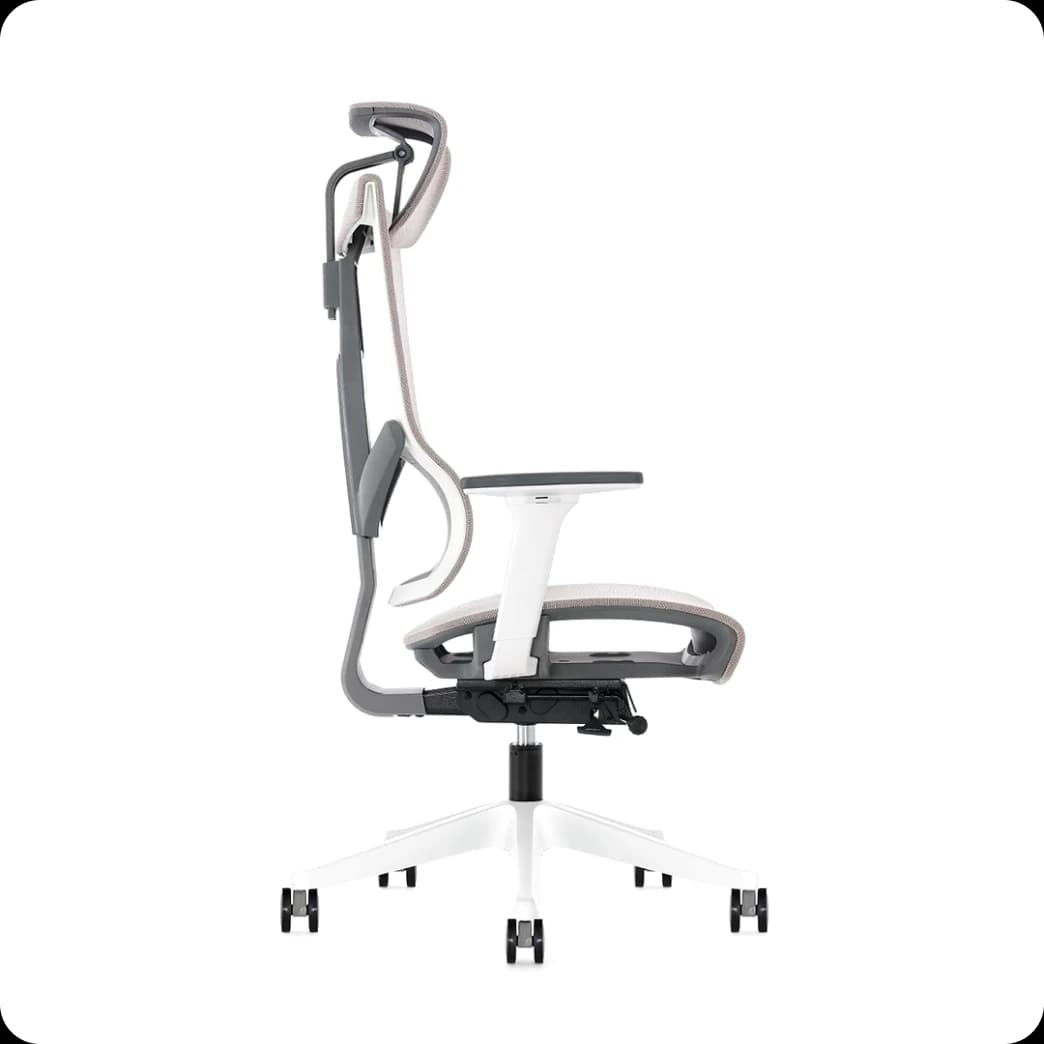
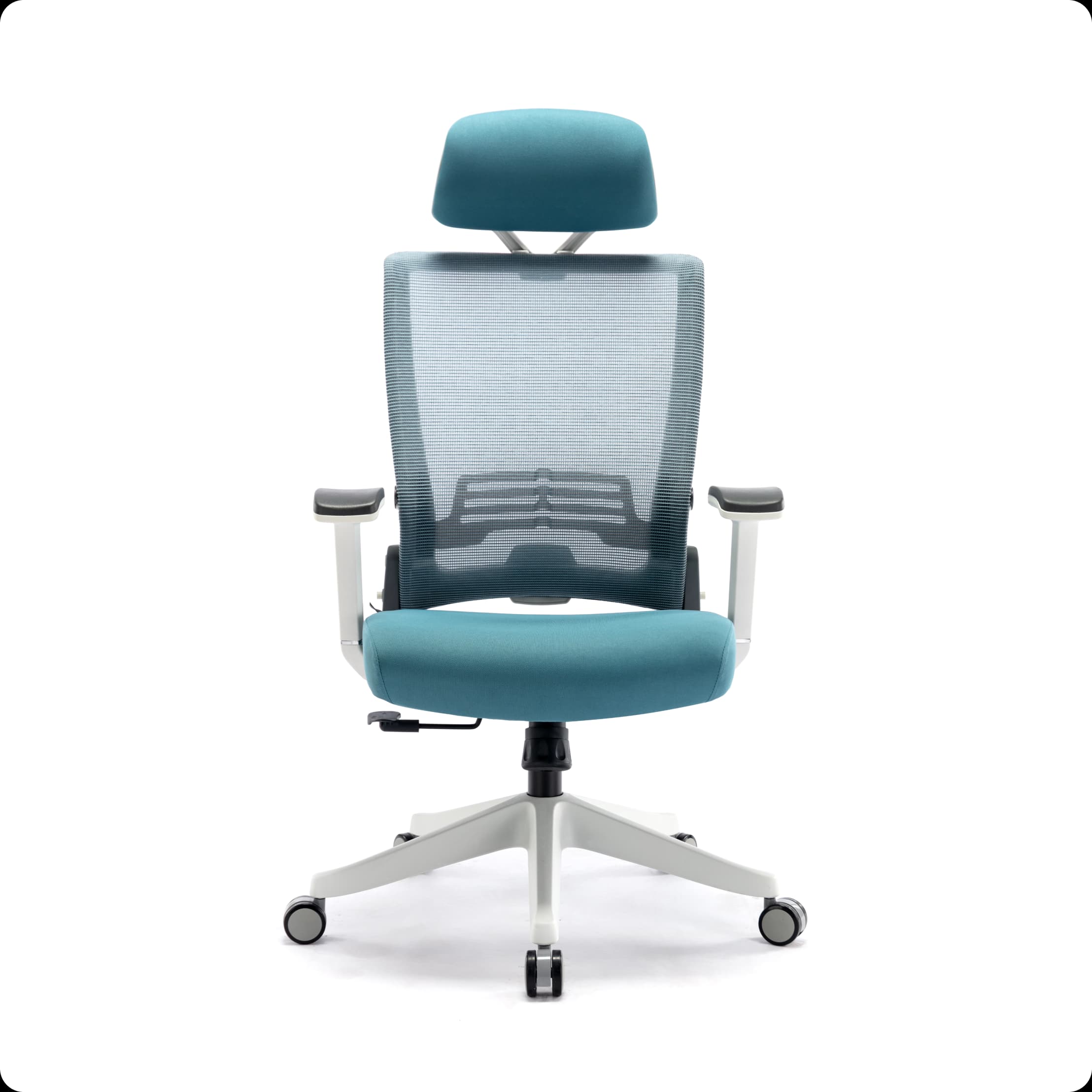

Popular Blogs
View all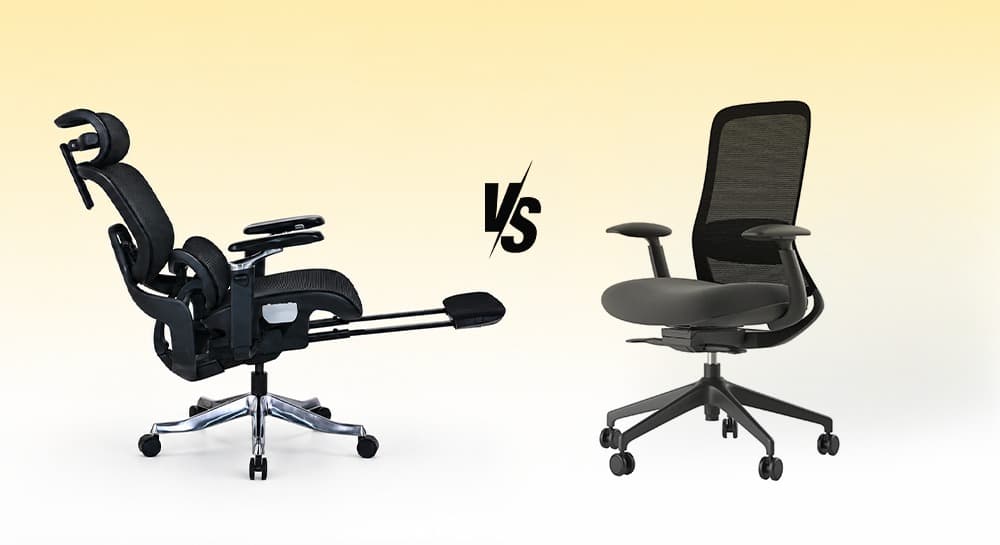
Ergonomic Chair vs Office Chair: Which One Should You Choose?
Most people don't start searching for an ergonomic chair.
They start searching because something hurts.
A stiff lower back. Tight shoulders. Neck strain after a long day at the desk.
That's usually when the question appears:
Should I buy an ergonomic chair or a regular office chair?
The answer depends less on the chair category and more on how long you sit, how often you work at a desk, and how much adjustment your body actually needs.
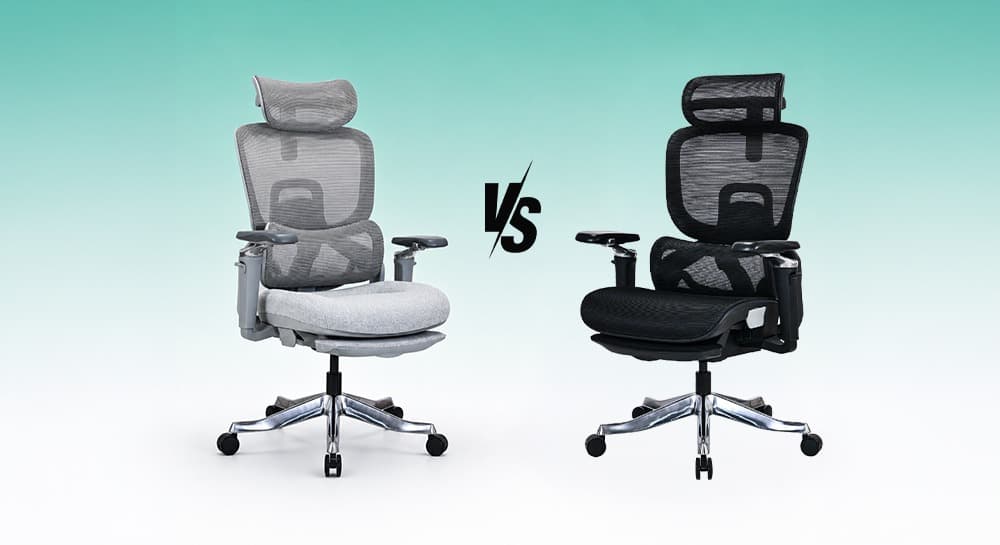
Mesh Chair vs Cushion Chair: Which One Is Better for Long Hours?
Most people choose an office chair based on first impression.
Mesh chairs feel cooler. Cushion chairs feel softer.
But long-term comfort is more complicated than that.
The main comparison of mesh and cushion office chairs focuses on five key factors:
-
Posture support
-
Airflow
-
Pressure distribution
-
Maintenance
-
Long-term performance
It's not just about how they feel in the first 10 minutes.
That’s why users often change opinions over time.
A chair that feels soft initially may feel tiring later. A firmer ergonomic chair may feel better after weeks of consistent work.
Neither option is universally better.
The right choice depends on how you sit, work, and move every day.
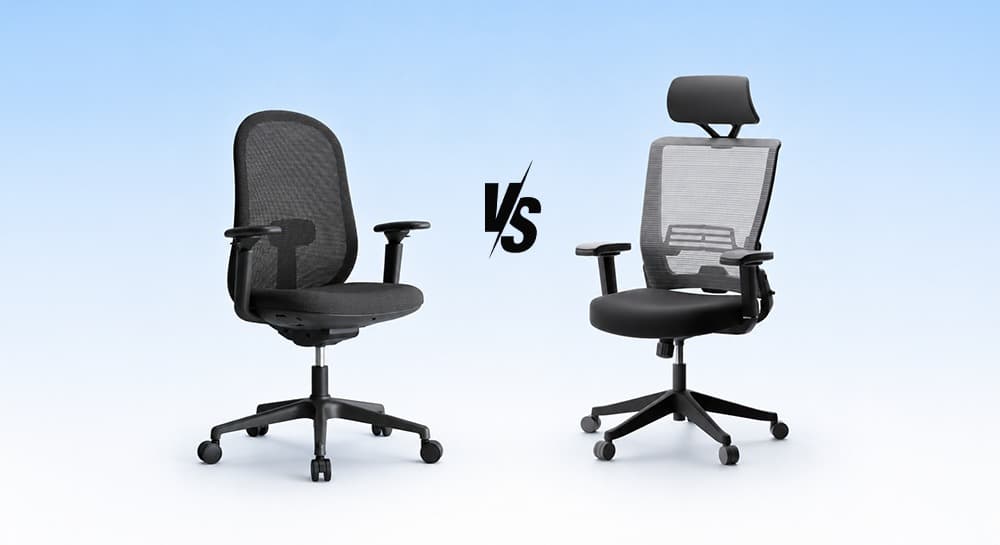
Task Chair vs Office Chair: What’s the Real Difference?
Most people searching for “task chair vs office chair” are not actually looking for definitions.
They’re trying to figure out:
- Which chair is better for long hours?
- Which chair is better for back support?
- Are task chairs ergonomic enough?
- Why are ergonomic office chairs more expensive?
- Is a gaming chair better than a task chair?
- What works best for home offices?
That’s where the real comparison starts.
A task chair is designed for active desk work, compact movement, and essential ergonomic support. An office chair is a broader category that includes ergonomic chairs, executive chairs, mesh seating, and task chairs designed for different sitting styles and work durations.
Neither category is automatically better.
The better chair is the one that matches how your body works every day.