

 Visit our Showroom
 +971 585905046
Most people choose an office chair based on first impression.
Mesh chairs feel cooler. Cushion chairs feel softer.
But long-term comfort is more complicated than that.
The main comparison of mesh and cushion office chairs focuses on five key factors:
-
Posture support
-
Airflow
-
Pressure distribution
-
Maintenance
-
Long-term performance
It's not just about how they feel in the first 10 minutes.
That’s why users often change opinions over time.
A chair that feels soft initially may feel tiring later. A firmer ergonomic chair may feel better after weeks of consistent work.
Neither option is universally better.
The right choice depends on how you sit, work, and move every day.
Take me to
What Is a Mesh Office Chair?
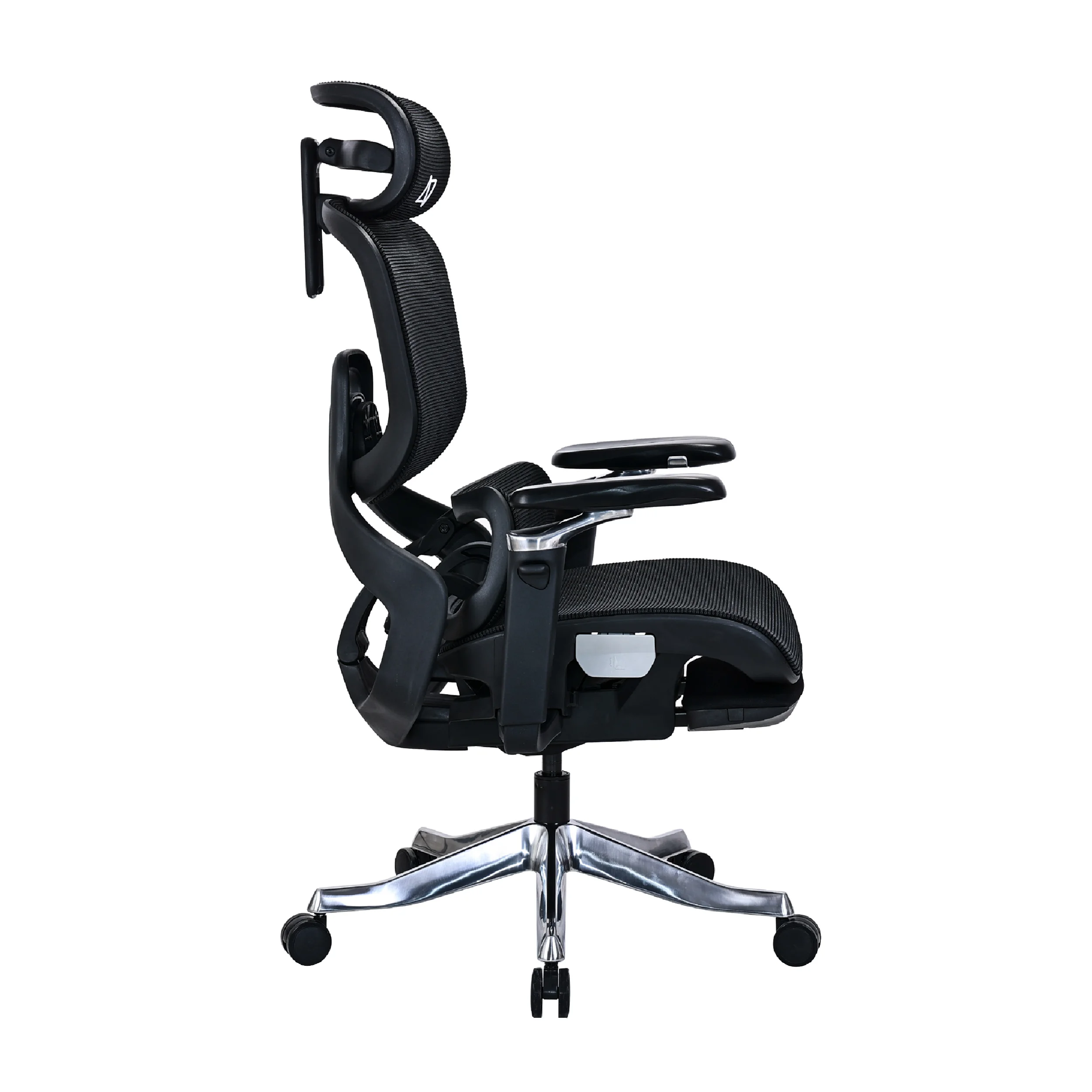
A mesh office chair has a breathable woven mesh on the backrest or seat. This design boosts airflow and helps keep you cool during long periods of sitting. Most mesh chairs are designed around ergonomic posture support and flexible movement.
Mesh chairs usually include:
Breathable back support
Lightweight ergonomic structure
Flexible lumbar support
Better airflow during long use
Modern minimal design
That’s why many ergonomic office chairs use mesh heavily.
The biggest advantage is temperature consistency.
Mesh allows airflow continuously, which helps during extended sitting sessions where heat buildup becomes noticeable.
This is also why many users researching the best office chair for long hours eventually move toward ergonomic mesh seating.
What Is a Cushion Office Chair?
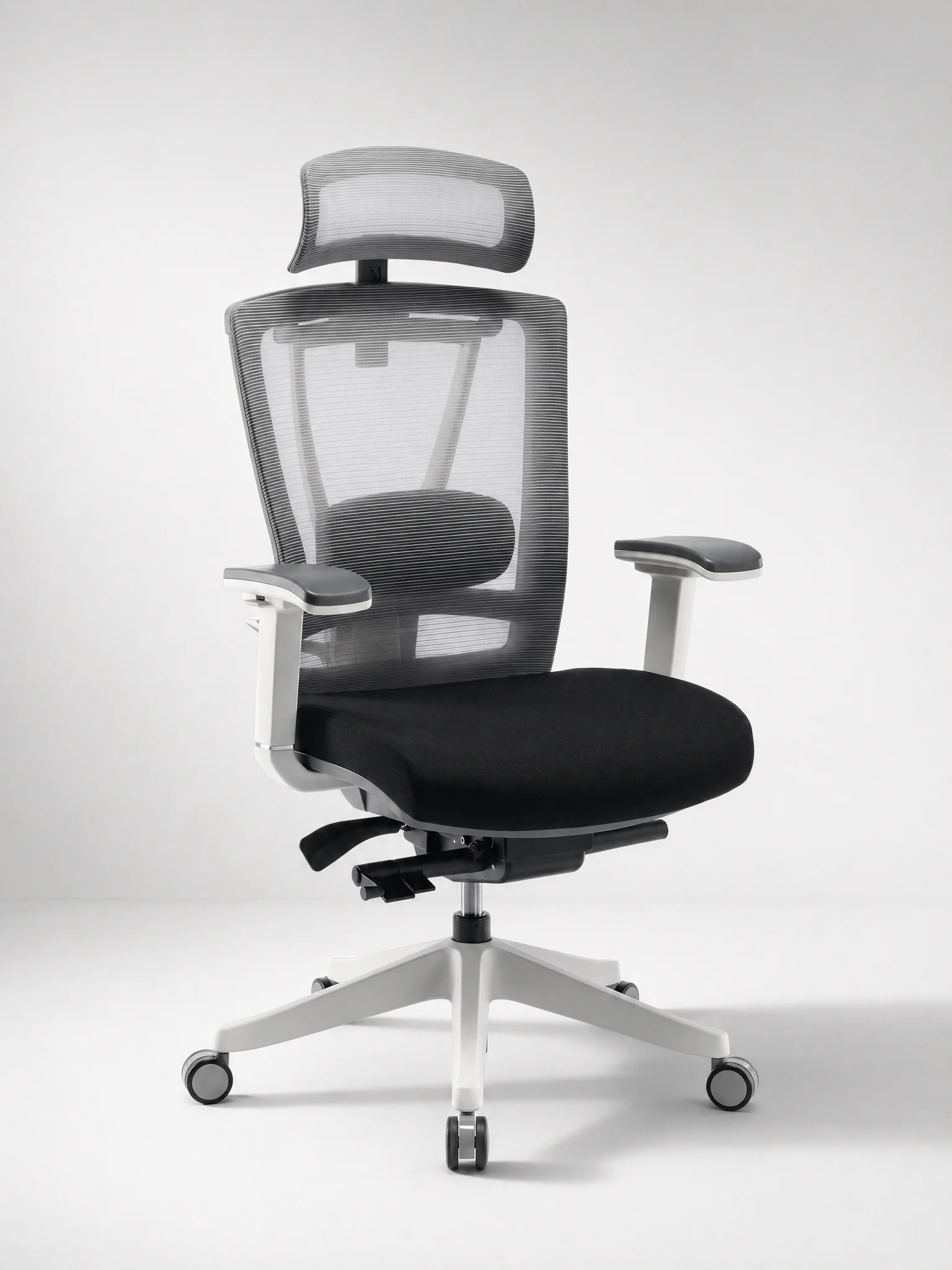
A cushion office chair uses foam or padding. This design offers softer pressure absorption and better seat comfort. These chairs are commonly found in executive seating and traditional office environments.
Cushion office chairs usually provide:
Softer initial seating feel
Thicker padding layers
Larger seating structures
Executive-style comfort
More traditional aesthetics
Many people initially prefer cushioned chairs because softness feels more comfortable immediately.
But cushioning quality changes everything.
Low-density foam loses support quickly. High-quality ergonomic cushioning performs very differently over time.
That’s the nuance many comparison blogs ignore.
Which Chair Is Better for Long Hours?
This depends on what causes discomfort first.
Some users struggle with:
Heat buildup
Sweating
Stiff posture
Lack of airflow
Others struggle with:
Seat pressure
Hard seating feel
Tailbone discomfort
Lack of cushioning
Mesh office chairs usually perform better for:
Airflow
Upright ergonomic posture
Long desk work
Reduced heat retention
Cushion office chairs usually perform better for:
Softer pressure feel
Relaxed seating posture
Executive-style comfort
Users who dislike firmer seating
What many users realize later: Softness alone does not guarantee ergonomic support.
That’s why people often begin researching whether ergonomic chairs are worth it after extended daily sitting exposes poor support systems.
Which Chair Is Better for Back Pain?
Back support depends more on chair ergonomics than material alone.
A poorly designed mesh chair will not magically fix posture. A properly engineered cushioned ergonomic chair can still provide excellent lumbar support.
But in most modern ergonomic setups, mesh chairs usually perform better because they:
Maintain lumbar shape consistently
Encourage upright sitting posture
Reduce body heat during long sessions
Support movement throughout the day
Cushion chairs support comfort differently:
Softer seating pressure
More relaxed seating feel
Reduced firmness perception
The real question is not mesh vs cushion.
It’s whether the chair maintains support after hours of use.
Do Mesh Chairs Sag Over Time?
Low-quality mesh can lose tension over time.
High-quality mesh systems maintain structure much longer because the material is engineered to handle repeated pressure cycles without excessive stretching.
This is where construction quality matters more than chair category.
The same applies to cushion chairs.
Cheap foam compresses quickly. Better cushioning maintains support consistency for longer periods.
Durability depends heavily on:
Material density
Frame construction
Weight distribution support
Daily sitting duration
Not just mesh or foam alone.
Which Chair Is Better for Hot Weather and Sweating?
Mesh office chairs usually perform better in warmer environments because airflow reduces heat retention around the back and seating area.
That’s one reason mesh ergonomic chairs became more common in modern workspaces.
Cushioned chairs, especially heavily padded models, tend to trap more heat during extended sitting sessions.
Users who work long hours often notice this difference after several weeks—not immediately.
Breathability becomes more important the longer you sit.
Mesh Chair vs Cushion Chair for Work From Home
Work-from-home setups changed how people evaluate chairs.
Users now sit longer, move less, and combine work, meetings, and personal use in the same chair.
That changes priorities.
Many home office users eventually prioritize:
Breathability
Lumbar consistency
Flexible movement
Compact ergonomic design
This is similar to how users compare task chairs vs office chairs depending on sitting duration and workspace style.
Different routines create different ergonomic needs.
What Are the Pros and Cons of Mesh Office Chairs?
Pros of Mesh Chairs
Better airflow and breathability
Cooler during long sitting sessions
Usually lighter and more ergonomic
Better posture-focused design
Reduced heat retention
Cons of Mesh Chairs
Firmer seating feel
Less plush cushioning
Low-quality mesh may sag over time
Some users prefer softer seat pressure
What Are the Pros and Cons of Cushion Office Chairs?
Pros of Cushion Chairs
Softer initial comfort
More traditional executive appearance
Better pressure absorption initially
Thicker seat padding feel
Cons of Cushion Chairs
More heat retention
Foam quality impacts durability heavily
Some models feel bulky in compact setups
Lower-quality cushioning loses support faster
Our Perspective on Mesh vs Cushion Office Chairs
We offer both mesh and cushioned office chairs because seating comfort is highly personal.
Some users prioritize:
Breathability
Upright ergonomic support
Long-hour airflow
Others prefer:
Softer seating feel
Executive comfort
More padded support
The mistake is assuming one material works for everyone.
It doesn’t.
The best chair is the one that still supports your posture comfortably after months of real daily use—not just the first sitting experience.
Final Thoughts: Don’t Judge Comfort Too Early
The first sitting experience can be misleading.
Real comfort is tested after weeks of daily use.
That’s the real difference between mesh and cushion office chairs.
Your sitting duration, posture habits, airflow preference, and work style matter far more than material alone.
That’s what determines long-term comfort.
Not just softness.
Need Help Building Your Ergonomic Setup?
We'll guide you to the perfect chair, desk setup, and comfort tips for a productive workday.
Popular Blogs
View all
Ergonomic Chair vs Office Chair: Which One Should You Choose?
Most people don't start searching for an ergonomic chair.
They start searching because something hurts.
A stiff lower back. Tight shoulders. Neck strain after a long day at the desk.
That's usually when the question appears:
Should I buy an ergonomic chair or a regular office chair?
The answer depends less on the chair category and more on how long you sit, how often you work at a desk, and how much adjustment your body actually needs.
Task Chair vs Office Chair: What’s the Real Difference?
Most people searching for “task chair vs office chair” are not actually looking for definitions.
They’re trying to figure out:
- Which chair is better for long hours?
- Which chair is better for back support?
- Are task chairs ergonomic enough?
- Why are ergonomic office chairs more expensive?
- Is a gaming chair better than a task chair?
- What works best for home offices?
That’s where the real comparison starts.
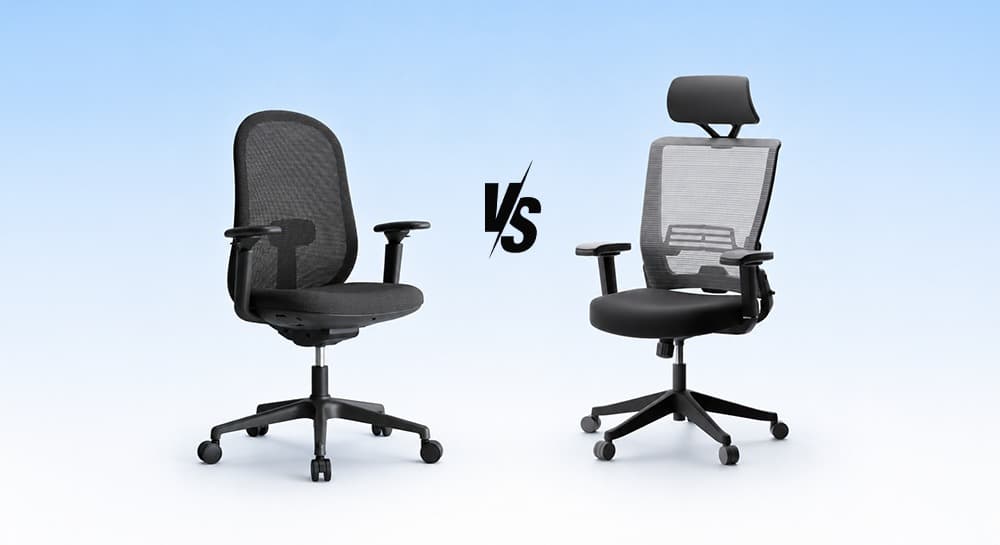
A task chair is designed for active desk work, compact movement, and essential ergonomic support. An office chair is a broader category that includes ergonomic chairs, executive chairs, mesh seating, and task chairs designed for different sitting styles and work durations.
Neither category is automatically better.
The better chair is the one that matches how your body works every day.
Gaming Chair vs Office Chair: Which One Is Better?
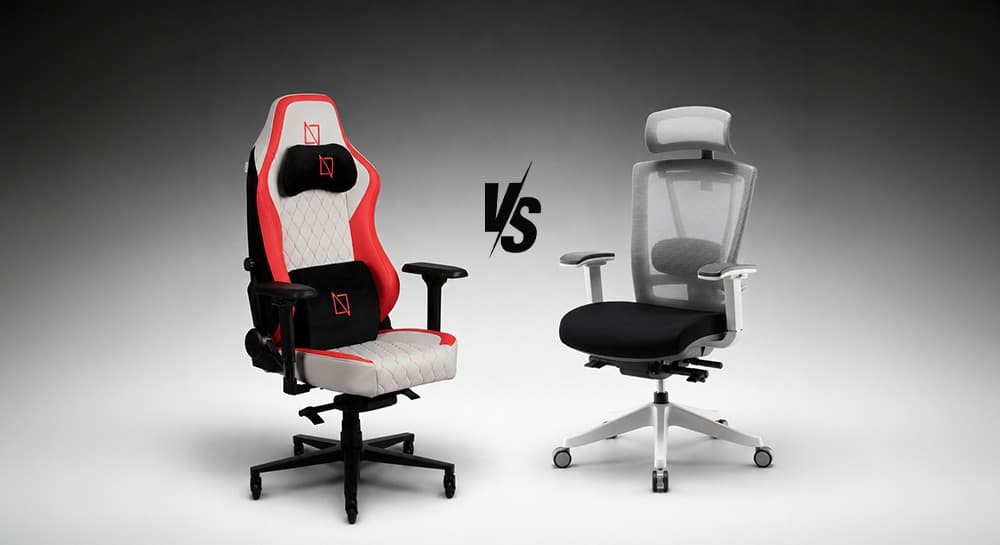
Gaming chair vs office chair is no longer just a gamer debate. In Dubai and across the UAE, more people now spend 8–10 hours sitting daily working, gaming, attending meetings, or switching between all three.
That changes the decision completely.
A chair is no longer furniture. It’s daily support.
The real question is not which looks better. It’s which feels better after months of use.
You x Navo
Feel free to reach out to us for any queries & concerns