

 Visit our Showroom
 +971 585905046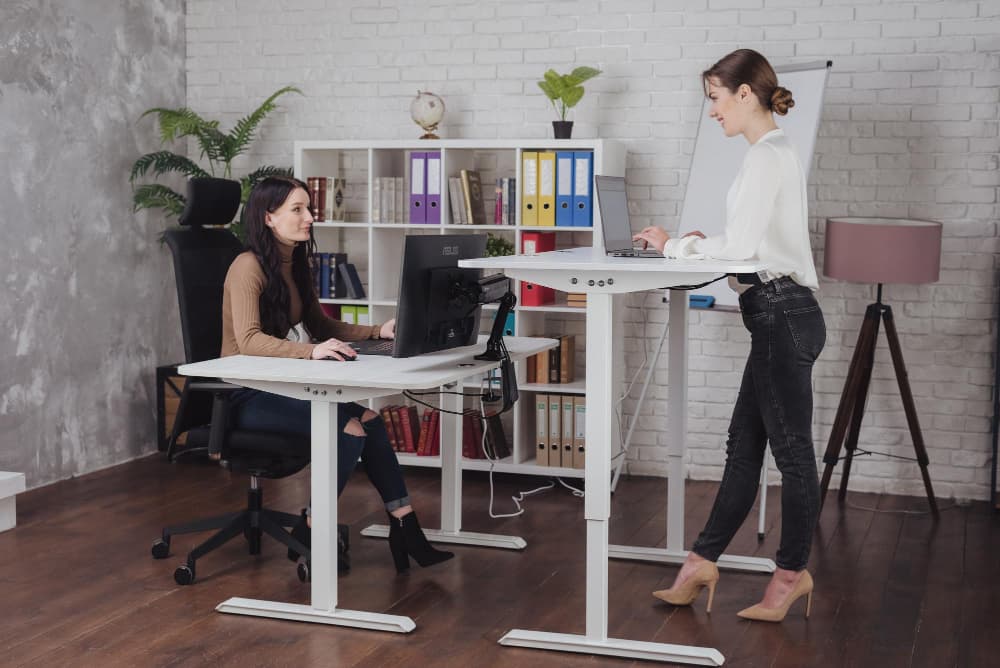
The desk you work at shapes your posture, your energy, and your focus. It decides how you move and how long you can stay alert.
Some desks keep you planted. Others let you shift and reset. They give your body a chance to work with you.
Choosing between a standing desk and a traditional desk is more than a design decision. It is a choice about how you work, about comfort, productivity, and endurance.
A standing desk offers motion, energy, and flexibility. A traditional desk gives stability, storage, and simplicity. Both have a place. Both shape your workflow. Both ask for intention.
Standing desk vs. traditional desk is not about style or trends. It’s about function, about how your body feels, how your work flows, and how your day ends.
Take me to
Traditional Office Desk: The Classic Choice
A traditional office desk is what many of us recognize. It has a flat surface, drawers underneath, and space for papers, monitors, and coffee cups. It's solid, stationary, and holds everything in place.
It’s clear: it’s stable for stacking books, files, or even many screens. Storage is built in, with drawers, shelves, and compartments all within reach. Its simplicity makes it predictable; you know where everything goes.
But there are drawbacks. You sit for hours, posture sags, your back complains, and your shoulders tighten. There’s no invitation to move. Limited flexibility exists. Your energy levels don’t change during the day.
A office desk supports routine and order. It’s great for long projects, paperwork, and steady setups. But it requires the body to stay still while the mind pushes through fatigue.
The choice is practical. It works well in familiar workflows and structured spaces. However, it doesn't adapt to your body's needs.
Standing Desk for Office: The Modern Alternative
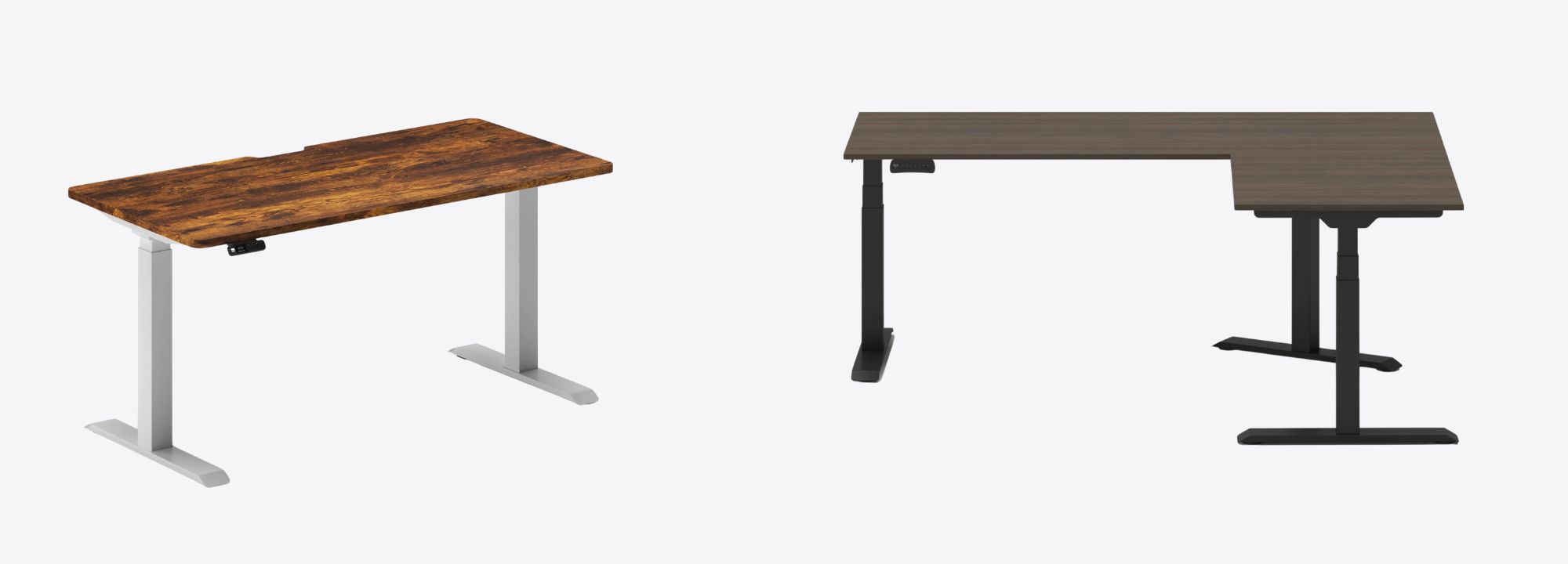
A standing desk for office work changes the rules. It rises. It lowers. You can sit. You can stand. It moves with you. A sit-stand desk gives choice. It asks your body to shift.
The benefits are immediate, though subtle. Posture straightens. Shoulders relax. Blood flows. Energy rises as hours pass. You move without thinking. Flexibility comes naturally. You can adjust the desk to the task, the mood, or the meeting.
A standing desk invites awareness. It reminds you that work is not just at the desk. It is with the body. With every adjustment, posture, and step, it changes the day.
To know more, read Benefits, Myths, and Uses of Sit-Stand Desks
Sit-Stand Desk Comparison: Key Differences
Choosing between a standing desk vs traditional desk is more than a preference. It changes how you work, how you move, and how your body feels. Here’s a clear sit-stand desk comparison:
How to Choose the Right Desk for Your Workflow?
Checklist to simplify your choice:
Work style: do you sit, stand, or both?
Space: how much room do you have?
Budget: what will give durability and comfort without overspending?
Health: does it support your posture and prevent strain?
Your desk holds more than papers and screens. It holds your posture, your focus, and your energy. Every movement starts and ends here. Choosing a desk is choosing how you work.
Think about how you move during the day. Do you stay seated for hours or shift between tasks? A standing desk for office can break long hours. It wakes the body. It keeps blood flowing. A traditional office desk keeps things steady. It holds monitors, files, and coffee cups. It keeps you grounded.
Measure your space. A large desk in a small room crowds the legs. A compact desk leaves room to breathe. Desk setup for workflow is about more than size. It is about flow. Every inch matters.
Consider budget. The best desk for productivity balances cost with comfort. Durable surfaces, smooth edges, and solid frames matter more than fancy designs. Look for ergonomic desk solutions that protect your body.
Combine it with what supports you. An ergonomic chair, monitor arms, or a keyboard tray are not extras. They are part of the system. They make the desk work for you, not against you.
In Conclusion
The desk you choose shapes your work, your posture, and your day.
A traditional office desk holds your tools and keeps you steady.
A standing desk for office moves with you.
The choice is not just style. It is about focus, energy, and comfort. A sit-stand desk comparison shows trade-offs. Stability versus flexibility. Simplicity versus movement. Cost versus health.
Test before you buy. Adjust, shift, and feel the difference. The right desk fits your workflow, supports your body, and makes work easier. It is more than furniture. It is a tool for performance.
Choosing the right desk is part of desk setup for workflow. It is part of best desk for productivity. It is part of ergonomic desk solutions that keep you moving, alert, and strong.
Explore a wide range of standing desks from Navo Ergonomics.
Need Help Building Your Ergonomic Setup?
We'll guide you to the perfect chair, desk setup, and comfort tips for a productive workday.
Popular Blogs
View all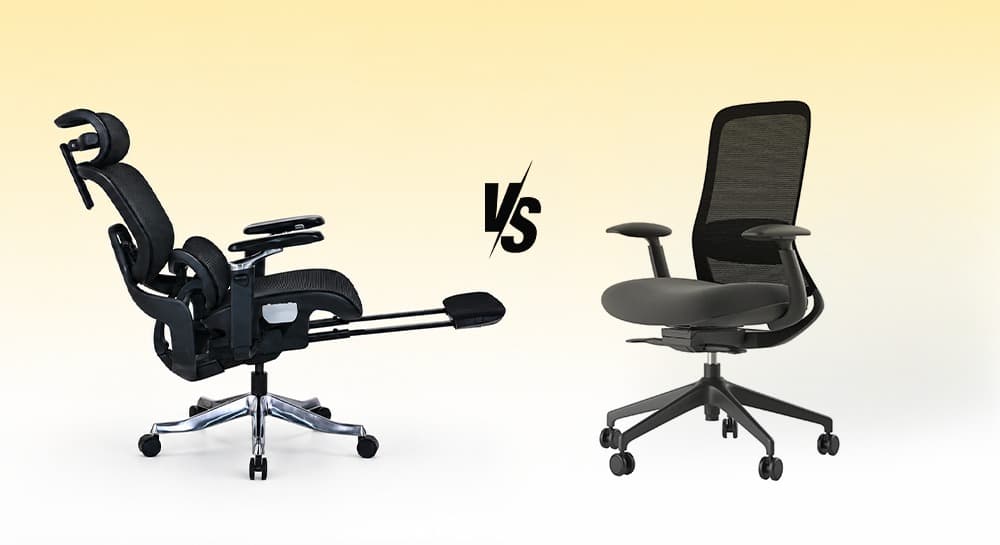
Ergonomic Chair vs Office Chair: Which One Should You Choose?
Most people don't start searching for an ergonomic chair.
They start searching because something hurts.
A stiff lower back. Tight shoulders. Neck strain after a long day at the desk.
That's usually when the question appears:
Should I buy an ergonomic chair or a regular office chair?
The answer depends less on the chair category and more on how long you sit, how often you work at a desk, and how much adjustment your body actually needs.
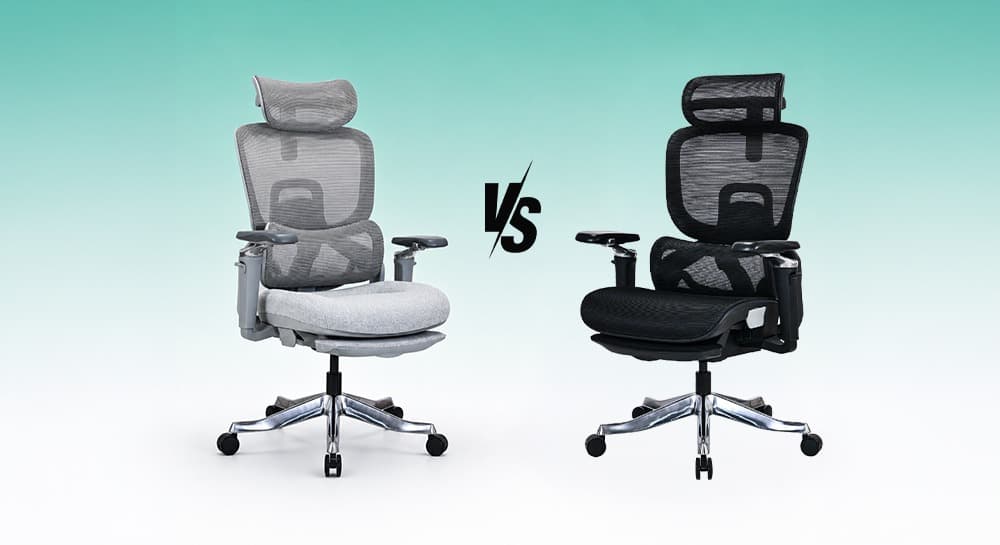
Mesh Chair vs Cushion Chair: Which One Is Better for Long Hours?
Most people choose an office chair based on first impression.
Mesh chairs feel cooler. Cushion chairs feel softer.
But long-term comfort is more complicated than that.
The main comparison of mesh and cushion office chairs focuses on five key factors:
-
Posture support
-
Airflow
-
Pressure distribution
-
Maintenance
-
Long-term performance
It's not just about how they feel in the first 10 minutes.
That’s why users often change opinions over time.
A chair that feels soft initially may feel tiring later. A firmer ergonomic chair may feel better after weeks of consistent work.
Neither option is universally better.
The right choice depends on how you sit, work, and move every day.
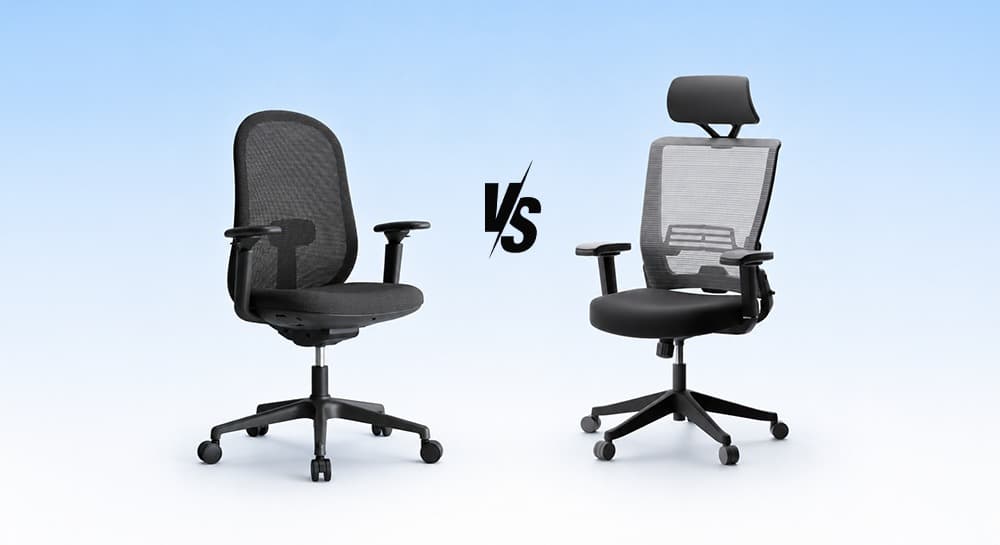
Task Chair vs Office Chair: What’s the Real Difference?
Most people searching for “task chair vs office chair” are not actually looking for definitions.
They’re trying to figure out:
- Which chair is better for long hours?
- Which chair is better for back support?
- Are task chairs ergonomic enough?
- Why are ergonomic office chairs more expensive?
- Is a gaming chair better than a task chair?
- What works best for home offices?
That’s where the real comparison starts.
A task chair is designed for active desk work, compact movement, and essential ergonomic support. An office chair is a broader category that includes ergonomic chairs, executive chairs, mesh seating, and task chairs designed for different sitting styles and work durations.
Neither category is automatically better.
The better chair is the one that matches how your body works every day.