

 Visit our Showroom
 +971 585905046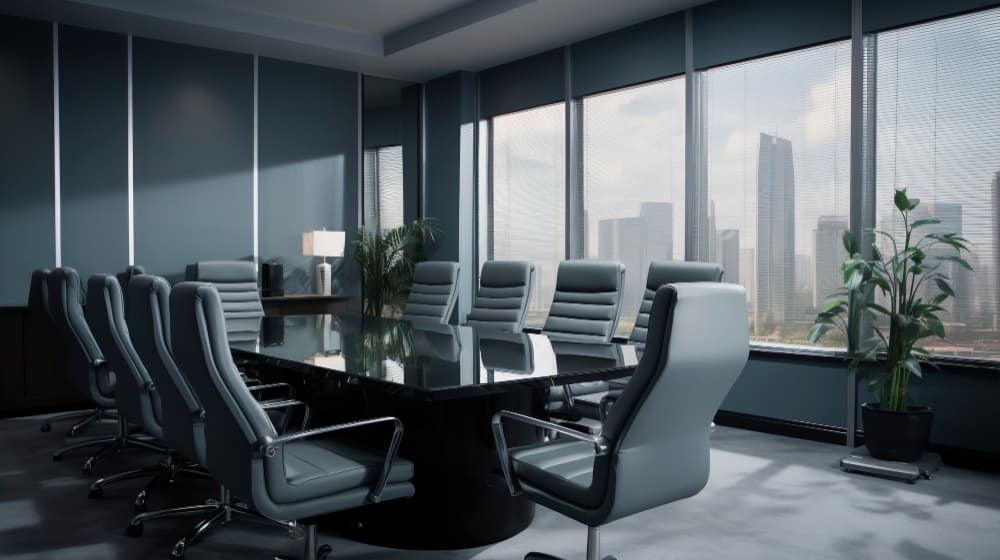
Take me to
What Are Meeting Tables?
What Are Meeting Tables?
Meeting tables are the center point of any workspace. They host team discussions, client calls, and decision-making sessions. They come in many shapes and sizes. Some are simple and compact. Others are wide and built for larger groups.
Used for:
Team meetings
Client briefings
Brainstorming
Daily stand-ups
Strategy sessions
They are a key part of any collaborative workspace furniture setup.
Types of Meeting Room Tables
Different meetings need different table styles. Here are the most common ones.
a. Office Meeting Tables
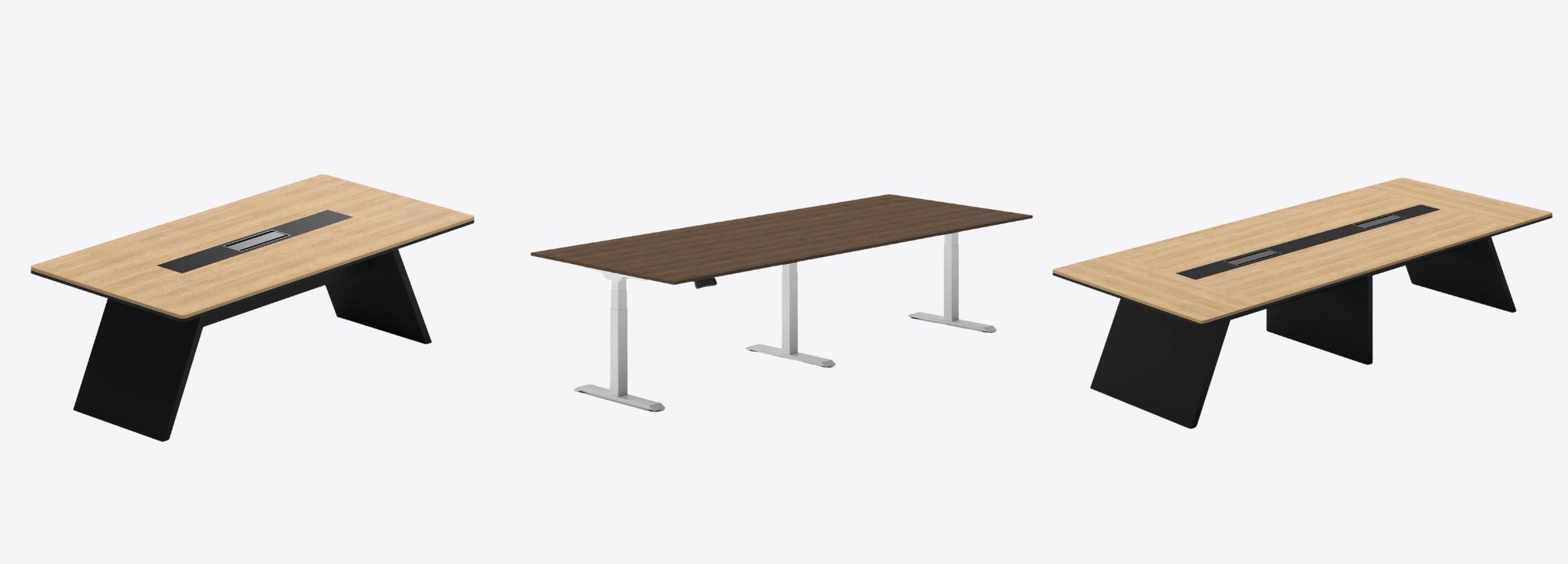
Practical. Clean. Fit for everyday use.
These tables work well for small teams and quick discussions. They support laptops, notebooks, and short brainstorming sessions.
Best for:
Daily check-ins
2–6 people
Small meeting rooms
b. Conference Tables
Conference tables handle larger groups. They offer more surface area and better cable access. They make long discussions comfortable.
Best for:
Formal meetings
Team presentations
6–14 people
c. Boardroom Tables
Built for leadership teams. Boardroom tables are large, solid, and designed to make decisions easy. They support big screens and communication tools.
Best for:
C-suite meetings
Strategy planning
Client negotiations
10–20+ people
d. Modern Meeting Tables
Modern tables blend design with function. Some have power ports. Some have cable trays. Some use metal and wood to create a bold look. They keep the room fresh and simple.
Best for:
Hybrid workspaces
Creative teams
Rooms with flexible layouts
e. Large Conference Tables
These tables handle big groups and long hours. They support shared screens, multiple laptops, and group discussions.
Best for:
Training rooms
Workshops
Leadership reviews
Meeting Table Sizes Explained
Choosing the right size is key. Too big, and the room feels crowded. Too small, and people have no space.
Here are simple, clear size ranges:
Small Meeting Table Sizes
For 2–4 people
Diameter: 36–48 inches
Rectangular: 3–4 ft long
Good for quick chats or video calls.
Medium Meeting Table Sizes
For 4–8 people
Length: 5–8 ft
Width: 3–4 ft
Fit for small conference rooms.
Large Meeting Table Sizes
For 10–20 people
Length: 10–20 ft
Width: 4–6 ft
Works for big conference rooms and boardrooms.
Shapes of Meeting Tables
Shape changes how people talk and interact.
Rectangular
Classic. Clean. Easy to fit.
Great for long discussions and formal meetings.
Round
Equal distance. Open communication.
Helps teams connect during brainstorms.
Oval
Soft edges. Balanced presence.
Feels formal without looking sharp.
Square
Even spacing. Works for small groups.
Not ideal for large rooms.
Boat-Shaped
Curved sides. Better sightlines.
Good for presentations.
Features to Look for in Meeting Tables
Smart tables make meetings smoother.
Look for:
Cable ports
Built-in power outlets
Strong frame
Scratch-resistant top
Stable legs
Easy cleaning surface
Enough legroom for everyone
These features work well in hybrid setups.
Matching Meeting Tables to Room Sizes
Here’s a simple rule: Leave at least 3 feet of space around the table. This lets people walk freely and sit comfortably.
Small rooms: small round or square tables
Medium rooms: rectangular tables
Large rooms: boardroom or large conference tables
Choosing the Right Table for Your Office
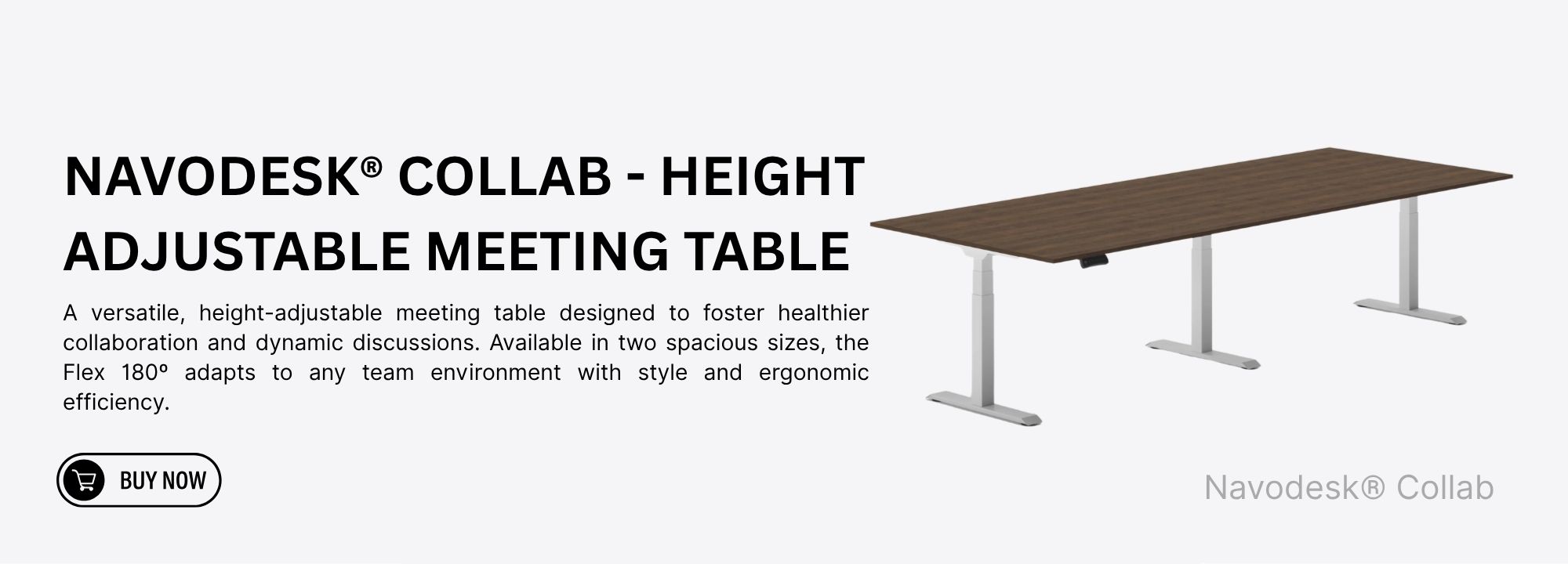
Pick the table based on how your team works.
Quick meetings: small office meeting tables
Hybrid work: modern meeting tables with power ports
Client meetings: oval or rectangular conference tables
Leadership rooms: boardroom tables
Workshops: large conference tables
A table must support the way people think, plan, and speak.
Final Takeaway
Meeting rooms are where ideas form and decisions happen. The right table makes these moments easier. It gives people space, structure, and clarity. Pick a table that fits your room, your team size, and your daily work style. Keep it simple. Keep it practical. Keep it strong.
Explore Navodesk® Meeting Tables and Find Your Fit
Navo® creates meeting tables that fit real work. Solid build. Clean design. Easy cable access. Enough space for laptops, notes, and ideas. Whether it is a small meeting room or a full boardroom, there is a Navodesk® table made for it.
Need Help Building Your Ergonomic Setup?
We'll guide you to the perfect chair, desk setup, and comfort tips for a productive workday.
Popular Blogs
View all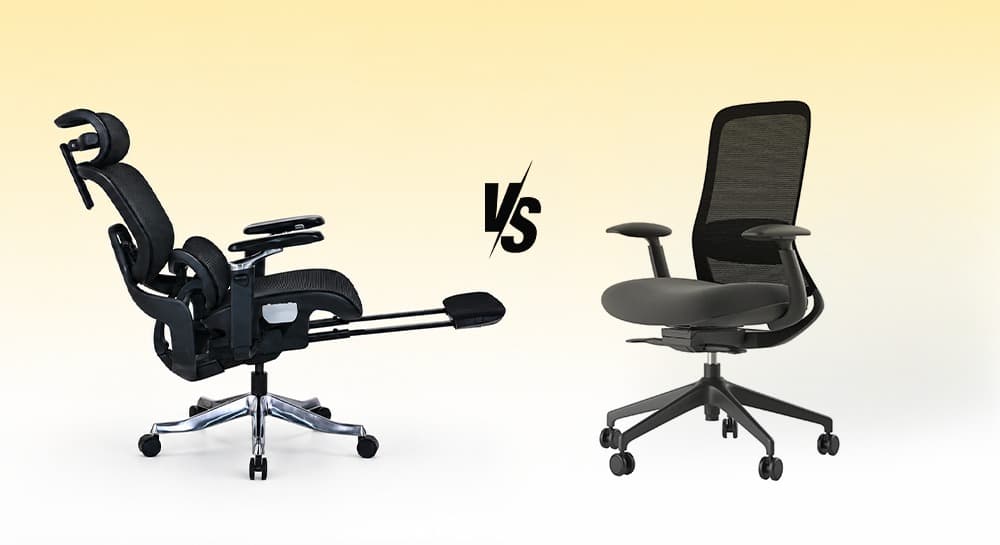
Ergonomic Chair vs Office Chair: Which One Should You Choose?
Most people don't start searching for an ergonomic chair.
They start searching because something hurts.
A stiff lower back. Tight shoulders. Neck strain after a long day at the desk.
That's usually when the question appears:
Should I buy an ergonomic chair or a regular office chair?
The answer depends less on the chair category and more on how long you sit, how often you work at a desk, and how much adjustment your body actually needs.
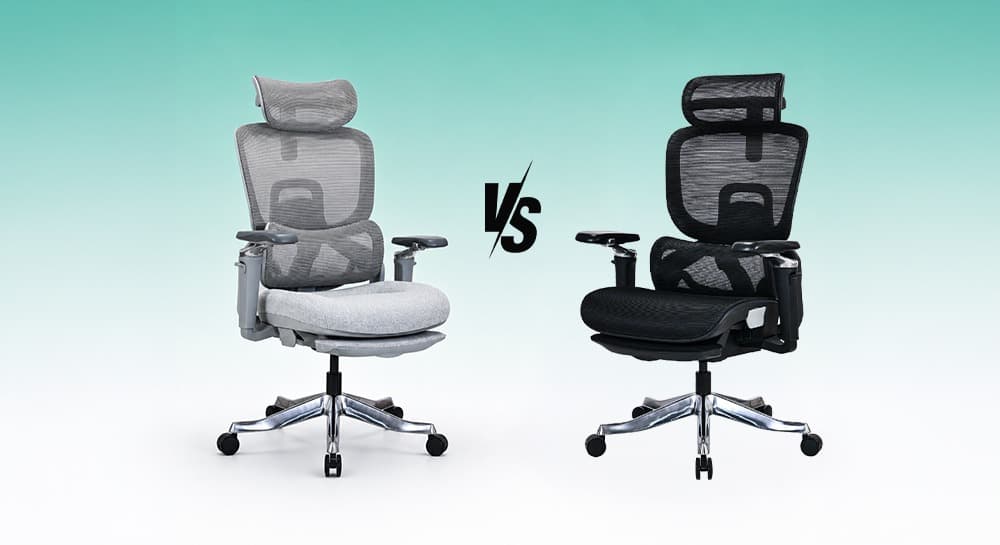
Mesh Chair vs Cushion Chair: Which One Is Better for Long Hours?
Most people choose an office chair based on first impression.
Mesh chairs feel cooler. Cushion chairs feel softer.
But long-term comfort is more complicated than that.
The main comparison of mesh and cushion office chairs focuses on five key factors:
-
Posture support
-
Airflow
-
Pressure distribution
-
Maintenance
-
Long-term performance
It's not just about how they feel in the first 10 minutes.
That’s why users often change opinions over time.
A chair that feels soft initially may feel tiring later. A firmer ergonomic chair may feel better after weeks of consistent work.
Neither option is universally better.
The right choice depends on how you sit, work, and move every day.
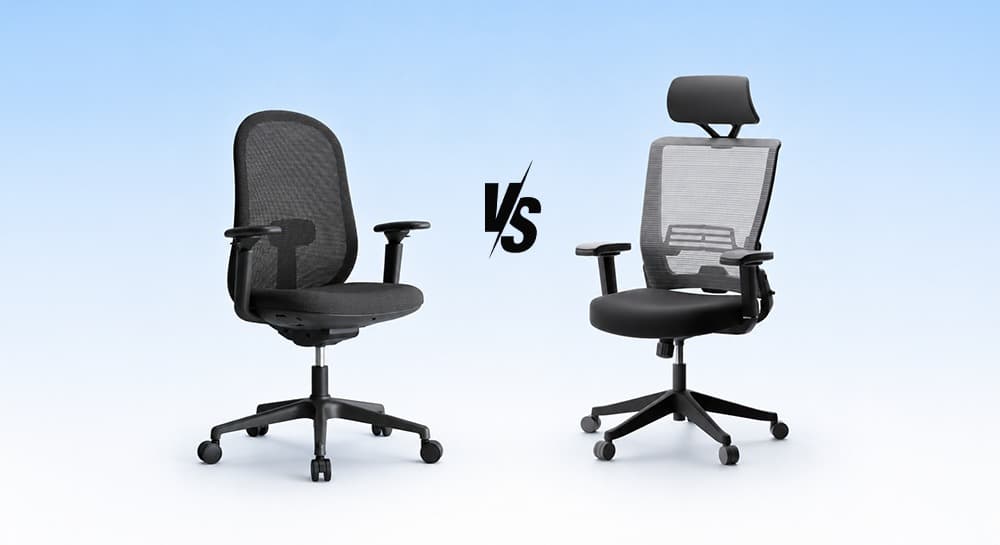
Task Chair vs Office Chair: What’s the Real Difference?
Most people searching for “task chair vs office chair” are not actually looking for definitions.
They’re trying to figure out:
- Which chair is better for long hours?
- Which chair is better for back support?
- Are task chairs ergonomic enough?
- Why are ergonomic office chairs more expensive?
- Is a gaming chair better than a task chair?
- What works best for home offices?
That’s where the real comparison starts.
A task chair is designed for active desk work, compact movement, and essential ergonomic support. An office chair is a broader category that includes ergonomic chairs, executive chairs, mesh seating, and task chairs designed for different sitting styles and work durations.
Neither category is automatically better.
The better chair is the one that matches how your body works every day.