

 Visit our Showroom
 +971 585905046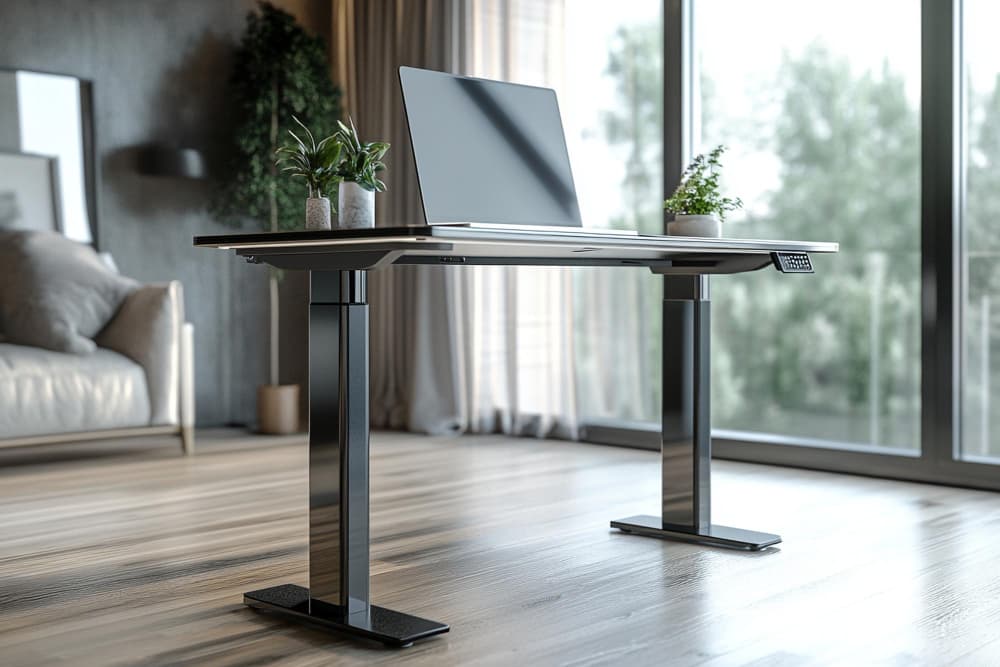
Take me to
Why Posture Matters for Standing Desks
The body follows habit. Every hour you spend at your desk teaches it something — good or bad. A standing desk gives you the chance to move more, but it also demands awareness.
When you forget your stance, fatigue builds. Shoulders rise, the neck leans forward, and pressure finds your lower back. Over time, those small shifts turn into pain.
A good standing desk posture keeps the spine tall and the breath easy. It helps you stay alert longer, without strain or distraction. Learn to maintain posture at standing desk as naturally as you breathe—steady, simple, and sure.
Find the Right Height to Maintain Proper Posture at a Standing Desk
 The work setup decides the strain. To keep proper posture at standing desk, match your body’s natural angles.
The desk meets your elbows, not your chest.
The screen meets your eyes, not your neck.
Wrists stay flat, resting easy.
Nothing should pull, stretch, or hunch.
This is the core of standing desk ergonomics. Find the right balance between work and rest. When the setup fits you, work feels lighter, hours pass smoother, and your body stays still yet strong.
Move Between Sitting and Standing to Maintain Posture at Standing Desks
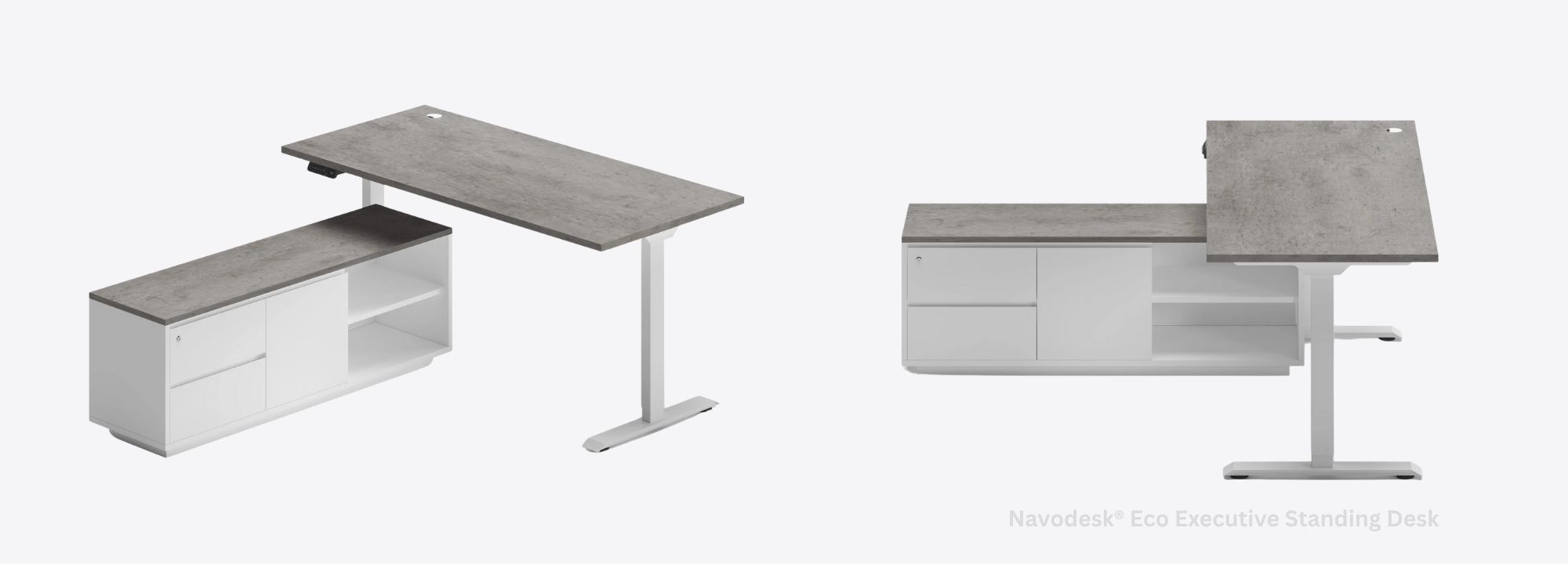
Stillness, in any form, wears the body down. Standing all day is no better than sitting all day. The strain only shifts from one muscle to another.
Change builds balance. Move often. Sit when you feel your legs grow heavy. Stand when your back tightens. Stretch when your focus slips.
The rhythm matters more than the pose. Sit, stand, stretch, repeat that’s how you keep your body awake and your posture steady through long hours.
How to Use a Standing Desk Correctly: Watch for Small Mistakes
Small mistakes undo the effort of good setup. Pay attention to the details that often go unnoticed.
Screen too low makes you bend your neck and round your shoulders.
Desk too high lifts your arms and strains your wrists.
Leaning on one side puts uneven pressure on hips and knees.
Forgetting to move locks tension in your body.
Standing still too long slows blood flow and dulls focus.
Each small error adds up. Fix them early, and your standing desk becomes a tool for comfort, not fatigue
Why Navodesk® is the Best Choice for Standing Desk Ergonomics
Every detail, from desk height to stability, defines how your body feels after hours of work. Navodesk® designs each product around that truth.
Built with precision and guided by research-backed standing desk ergonomics, Navodesk® desks help you find your natural posture. The motors move smoothly. The surface adjusts to your height with quiet accuracy. Every angle supports comfort, alignment, and focus.
Small corrections shape long hours into strong ones. When your workstation adapts to you, not the other way around, fatigue fades and energy lasts longer.
If you want quality, durability, and posture-driven design, buy standing desk from Navodesk®. It’s not just a desk. It’s your daily reminder that comfort fuels performance.
Need Help Building Your Ergonomic Setup?
We'll guide you to the perfect chair, desk setup, and comfort tips for a productive workday.
Popular Blogs
View all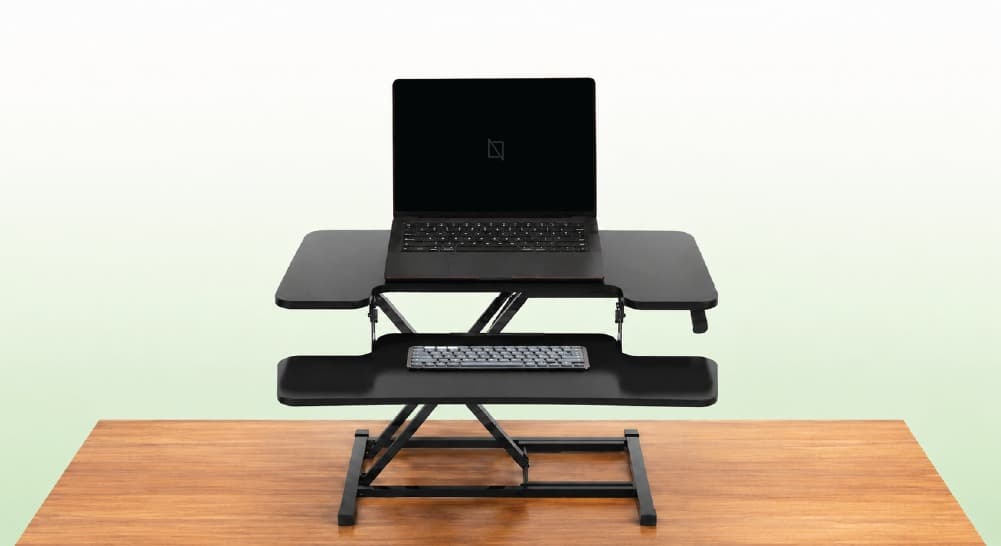
What Is a Desk Riser?
There's a moment most WFH professionals recognise—somewhere around 2 PM, lower back tightening, energy dipping, suddenly very aware you haven't moved in three hours. The solution everyone recommends is a standing desk. The price tag makes you reconsider.
Enter the riser desk—positioned as a cheaper, easier alternative. But what actually is it, and does it genuinely solve the same problem?
So lets understand what is a desk riser and what's the difference between standing desk and desk riser
What Is a Desk Riser?
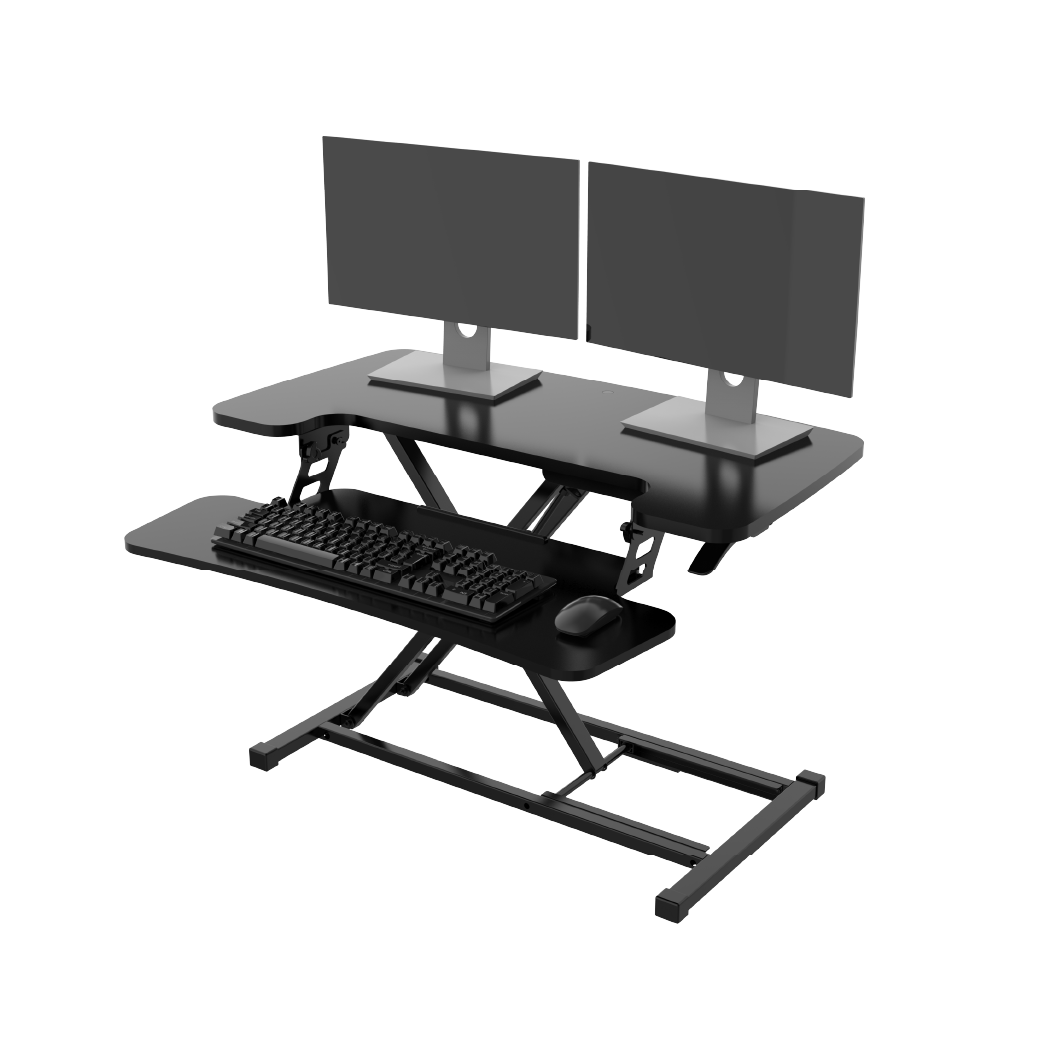
A riser desk—also called a standing desk converter or desk riser—is a height-adjustable platform that sits on top of your existing desk surface, raising your monitor, keyboard, and mouse to standing height without replacing your desk.
It's an add-on, not a replacement. Your current desk stays exactly where it is. The converter creates a raised working layer above it, which you lift when you want to stand and lower when you sit.
Think of it as a workstation within a workstation.
Ergonomic Chair vs Office Chair: Which One Should You Choose?
Most people don't start searching for an ergonomic chair.
They start searching because something hurts.
A stiff lower back. Tight shoulders. Neck strain after a long day at the desk.
That's usually when the question appears:
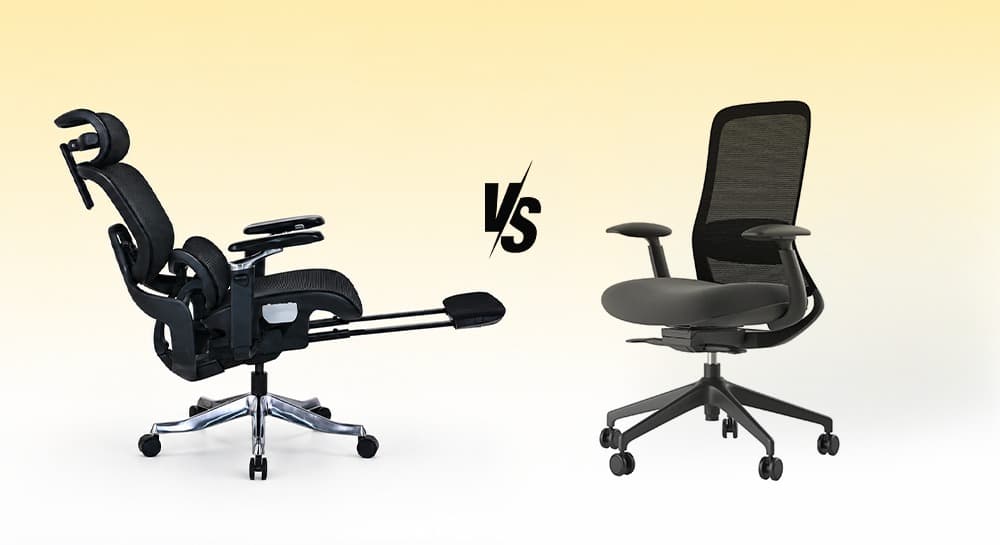
Should I buy an ergonomic chair or a regular office chair?
The answer depends less on the chair category and more on how long you sit, how often you work at a desk, and how much adjustment your body actually needs.
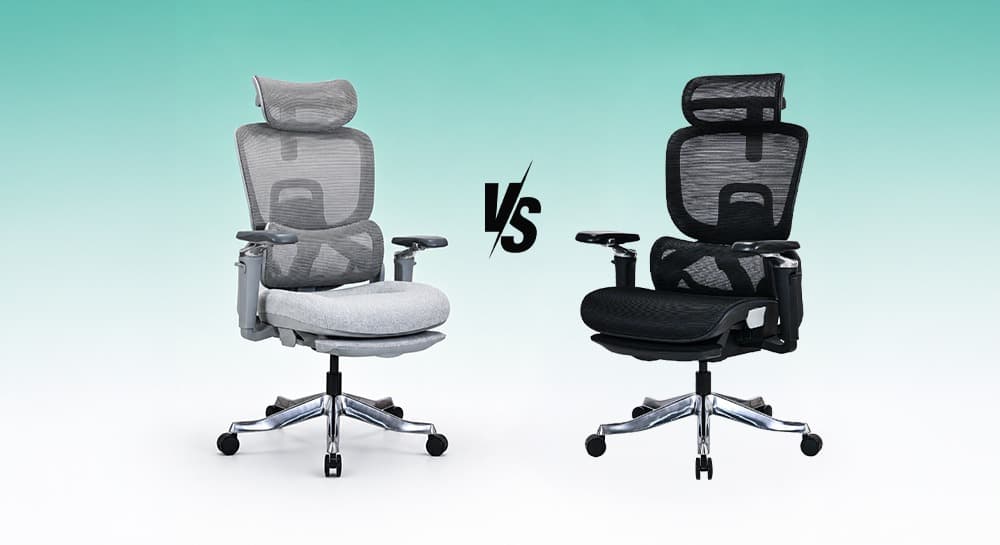
Mesh Chair vs Cushion Chair: Which One Is Better for Long Hours?
Most people choose an office chair based on first impression.
Mesh chairs feel cooler. Cushion chairs feel softer.
But long-term comfort is more complicated than that.
The main comparison of mesh and cushion office chairs focuses on five key factors:
-
Posture support
-
Airflow
-
Pressure distribution
-
Maintenance
-
Long-term performance
It's not just about how they feel in the first 10 minutes.
That’s why users often change opinions over time.
A chair that feels soft initially may feel tiring later. A firmer ergonomic chair may feel better after weeks of consistent work.
Neither option is universally better.
The right choice depends on how you sit, work, and move every day.
You x Navo
Feel free to reach out to us for any queries & concerns