

 Visit our Showroom
Take me to
Office Chair for Back Pain: The Non-Negotiable Factor
When it comes to choosing the right office chair, the conversation begins and ends with back support. A chair without it isn’t just uncomfortable—it’s costly. Poor posture compounds quietly, draining energy and focus long before it shows up as medical bills or chronic discomfort.
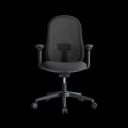
An office chair for back pain is not about luxury; it’s about prevention. Lumbar support maintains the natural curve of the spine, keeping muscles engaged rather than strained. Circulation flows more evenly, posture holds longer, and the body sustains the pace that modern work demands.
The real distinction lies in whether the chair is designed with ergonomics at its core. An ergonomic office chair ensures that alignment isn’t left to chance. It reinforces habits that protect health while unlocking sharper concentration. In high-performance environments, this isn’t negotiable—the wrong chair can quietly sabotage productivity, while the right one safeguards it.
Comfort Over Hours: Why Seating Endurance Matters
Work isn’t measured in minutes it’s measured in hours. And those hours are often spent in the same chair, in the same posture, day after day. This is where endurance separates design from decoration. A comfortable office chair for long hours isn’t about cushioning alone it’s about sustaining circulation, reducing pressure points, and keeping energy consistent across the workday.
The best office chair is the one that holds up when deadlines extend and focus needs to stretch. Without it, fatigue sets in early, creativity dulls, and the body begins to resist the very work it’s meant to support.
An office chair for back pain that also prioritizes long-term comfort does more than protect the spine it preserves clarity, pace, and output over time. Because comfort, in this context, isn’t indulgence. It’s infrastructure for performance.
Types of Office Chairs: Which One Fits Your Workflow?
Not every chair is built for the same kind of work. Understanding the types of office chairs helps in narrowing down what truly supports your body and your workflow.
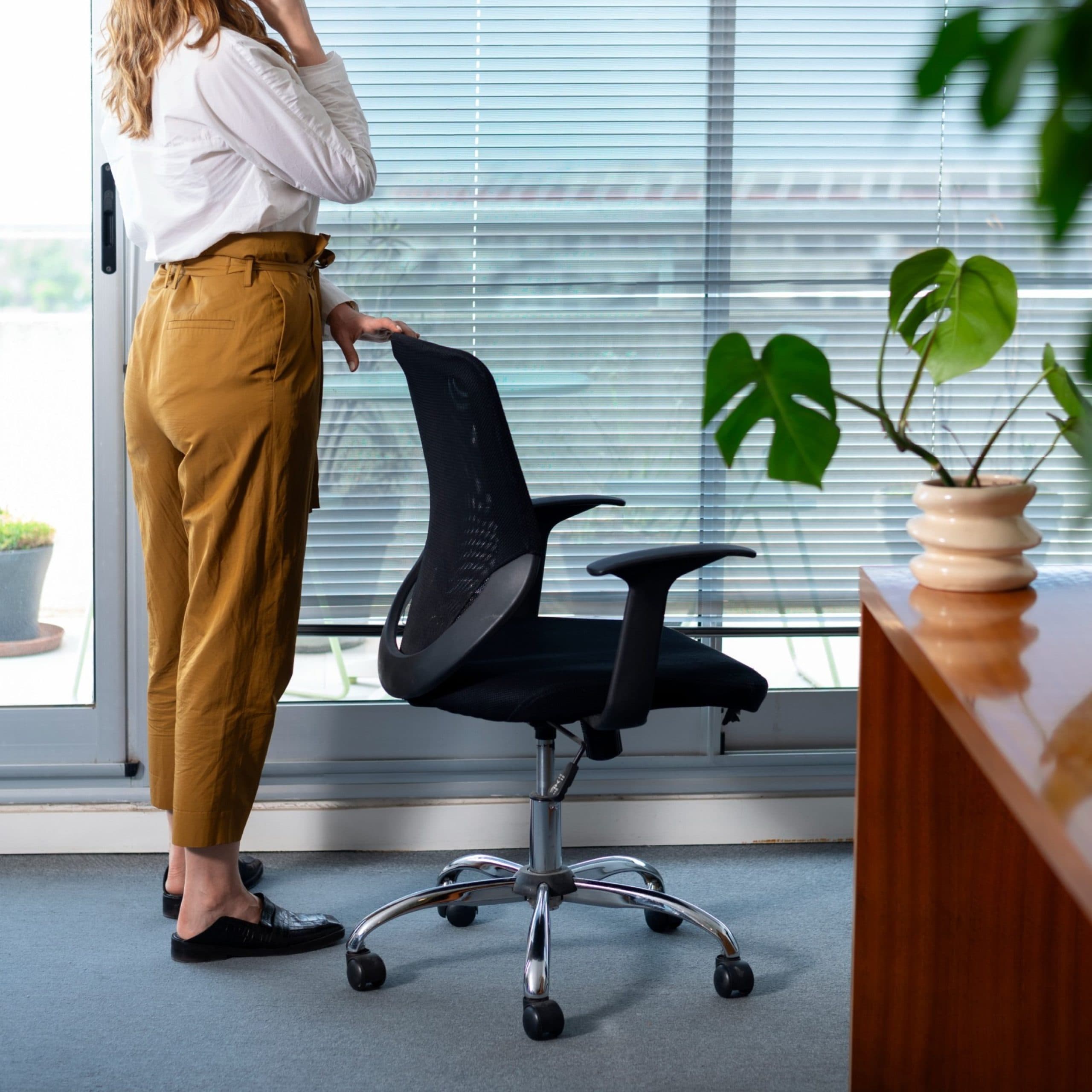
Task Chairs: Compact and versatile, often chosen for smaller workstations. They offer basic ergonomics, but long hours can expose limits in back support.
Executive Chairs: Larger, more cushioned, with high backs and armrests. They project authority, but the best office chair in this category is the one that balances luxury with real lumbar alignment.
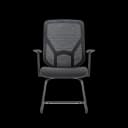
Mesh Chairs: Lightweight and breathable, designed to keep airflow steady during long days. Ideal for preventing overheating while maintaining ergonomic support.
Leather Chairs: Durable and often associated with prestige. Comfort is strong, but ventilation can be a challenge.
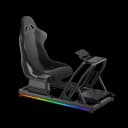
Gaming Chairs: Built for marathon sessions, often with bold design. When chosen carefully, they can double as an office chair for back pain, though some models prioritise style over substance.
Common Office Chair Mistakes to Avoid
In the race to furnish workspaces, too many decisions are still made for the wrong reasons. Aesthetic appeal wins over spinal health. Price tags outweigh endurance. Adjustability gets ignored as if one size could ever fit all. These are the silent errors that accumulate into fatigue, distraction, and ultimately, pain.
The truth is simple: most office chair mistakes to avoid aren’t dramatic, they’re incremental. The chair that looks sleek but lacks lumbar support becomes the source of tension you can’t stretch away. The bargain model without adjustments costs more in productivity than it saves in cash. Even the wrong scale a seat too deep or too shallow for your frame translates into hours of compromised posture.
An effective office chair buying guide isn’t about chasing trends, but about eliminating these oversights. Because the line between a chair that prevents and an office chair for back pain is often drawn by the details people overlook. And in environments where human energy is the real currency, those details are never minor.
Office Chair Buying Guide: What Smart Buyers Do Differently
For many, the chair is treated as an afterthought purchased quickly, judged by looks, or settled for based on cost. But smart buyers know better. They see the chair as an operational tool, not a decorative piece. A serious office chair buying guide starts with one principle: don’t buy for today, buy for the hours, months, and years ahead.
The best office chair is rarely the most glamorous. It’s the one that aligns seamlessly with health, workflow, and endurance. In practice, this means:
Test before committing: Sitting in a chair for five minutes in a showroom isn’t enough. Smart buyers simulate real posture and duration to see how support holds up.
Prioritize adjustability: Height, tilt, lumbar, armrests, and headrests aren’t add-ons they’re essentials for body alignment. An ergonomic office chair adapts to you, not the other way around.
Read user experiences: Reviews reveal what specs can’t the long-term comfort, durability, and hidden flaws.
Invest in longevity: The upfront cost pays for itself in reduced fatigue, sustained focus, and fewer health issues. Choosing the right office chair is about ROI on energy and productivity.
Conclusion
An office chair for back pain isn’t optional it’s a foundational choice that shapes focus, energy, and long-term health. The right ergonomic office chair does more than support posture; it safeguards performance, reduces fatigue, and quietly reinforces daily productivity.
Choosing the best office chair is an investment in human capital. It’s a decision that signals you value resilience, precision, and wellbeing turning everyday work into a sustainable advantage.
Explore Navo Ergonomics’ range of premium office chairs designed to protect your spine, elevate comfort, and support performance.
Need Help Building Your Ergonomic Setup?
We'll guide you to the perfect chair, desk setup, and comfort tips for a productive workday.
Shop Office FurniturePopular Blogs
View all
Ergonomic Furniture Meets Gaming & Education: Highlights from the University of Wollongong Event
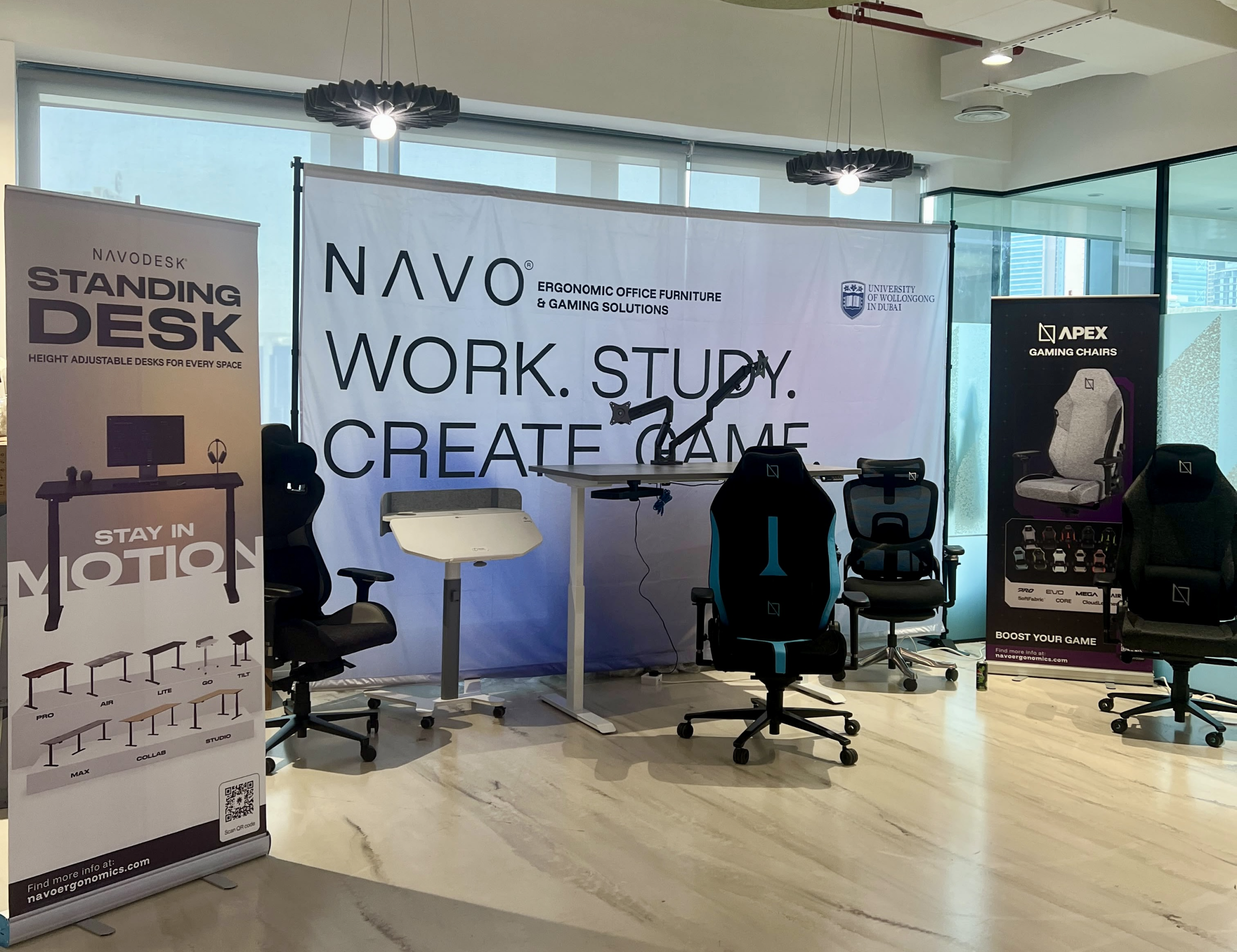
The tournament attracted over 70 participants, including avid gamers and curious onlookers. Our display featured gaming desks, chairs, and ergonomic accessories such as monitor arms. Students could compete in exciting gaming matches while experiencing our products firsthand.
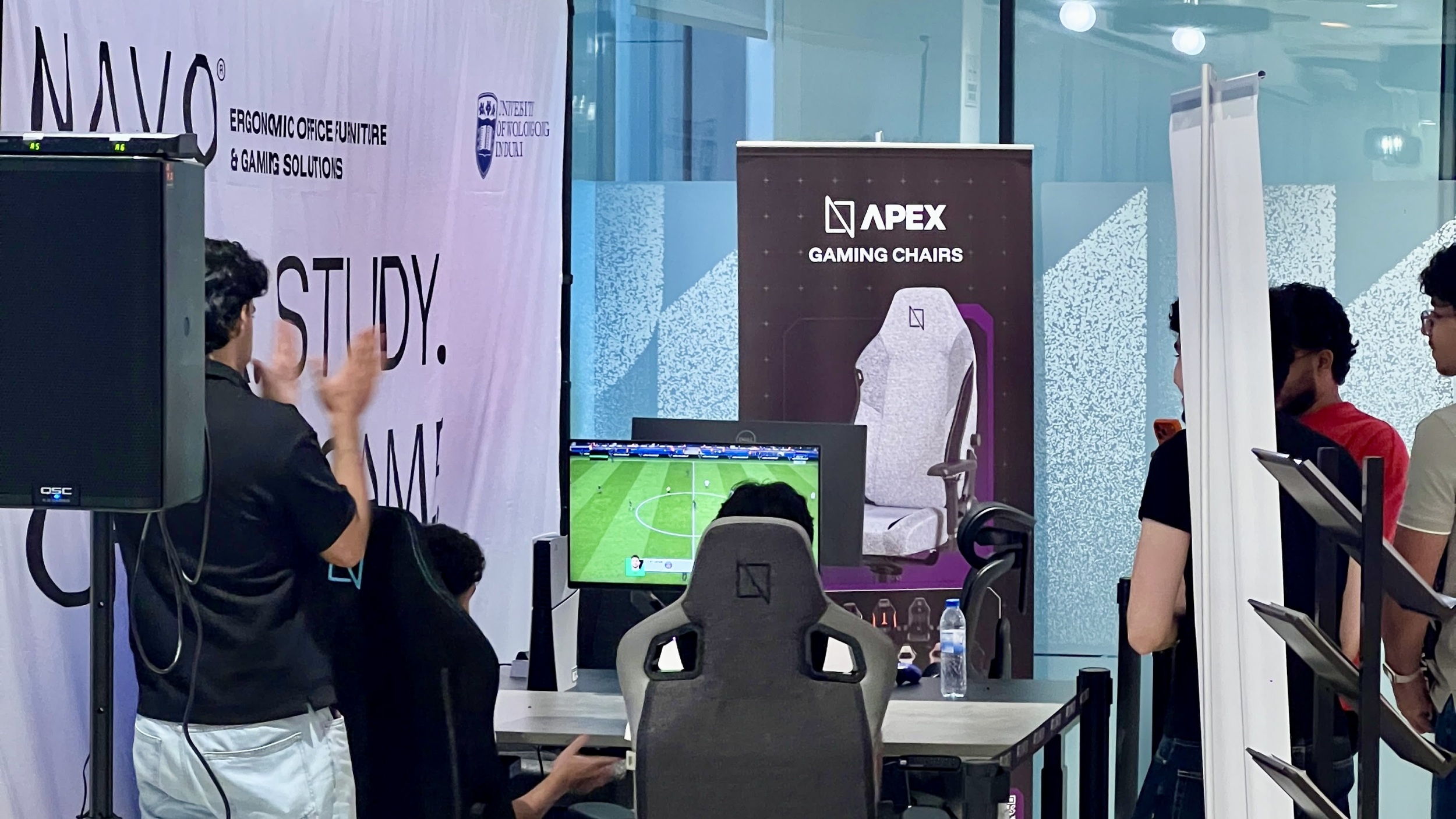
One of the event's highlights was the opportunity to experience our ergonomic gaming chairs alongside our specially designed ergonomic chairs. Students could compare their comfort, support, and overall seating experience. The feedback was overwhelmingly positive, with many participants noticing differences in posture support and comfort during extended use.
Looking back, we are encouraged by the positive interactions and insights shared by students and faculty. Promoting ergonomic awareness in university environments is a cause we strongly support, and we look forward to continuing our efforts to help create more comfortable and productive spaces for learning, gaming, and work.
Open Plan vs Cubicle vs Hybrid Office Layout: Which Is Right for You?
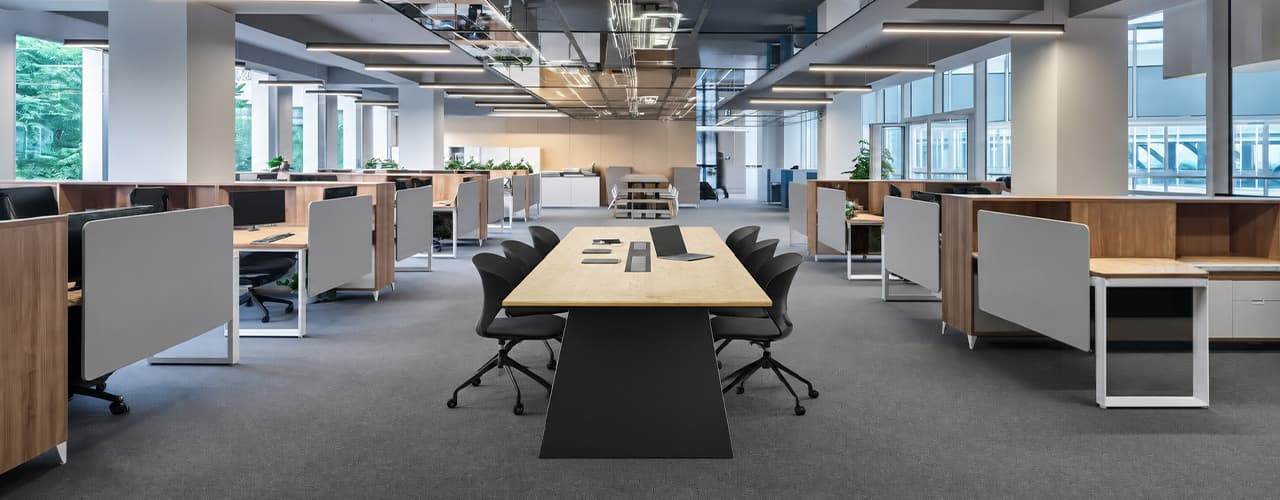
The open-plan office was supposed to fix everything the cubicle farm got wrong. It didn't. It created a different set of problems and left people nostalgic for the one thing cubicles did well: quiet. The hybrid layout is positioned as the solution that addresses the shortcomings of both. It might be only if it fits how a specific team works. It shouldn't be a mix of two philosophies that didn’t help the team before. This guide shows what each layout offers and where it falls short. It also helps you choose the best option-or combination-for your office in Dubai or the GCC.
Key Findings
*Global office use is now at 53%, up from 38% in 2024. Also, 69% of teams have over 40% of their staff sharing desks. This shows that 2019 workspace designs don’t fit current needs.
*A Harvard study found that open-plan spaces often lower face-to-face interaction. Instead, they boost digital communication. This is the opposite of what these designs aim for.
*A hybrid model conversion at a 120-person SaaS company restored engineering deployment speed to baseline. It also reduced voluntary turnover in technical roles by 18% over nine months.
*Steelcase research shows that companies improving their work environment boost productivity by 17%.
*In 2026, the most innovative UAE offices aren’t just picking open plans or cubicles. They’re creating “activity neighborhoods.” These are clusters of spaces designed for different work styles.
*No layout is universally right. The best choice depends on your team's work style, industry, hybrid attendance ratio, and specific acoustic needs for your floor.
Sitting isn’t the Enemy, How You Sit Is: How to Align Your Desk for Zero Back Strain
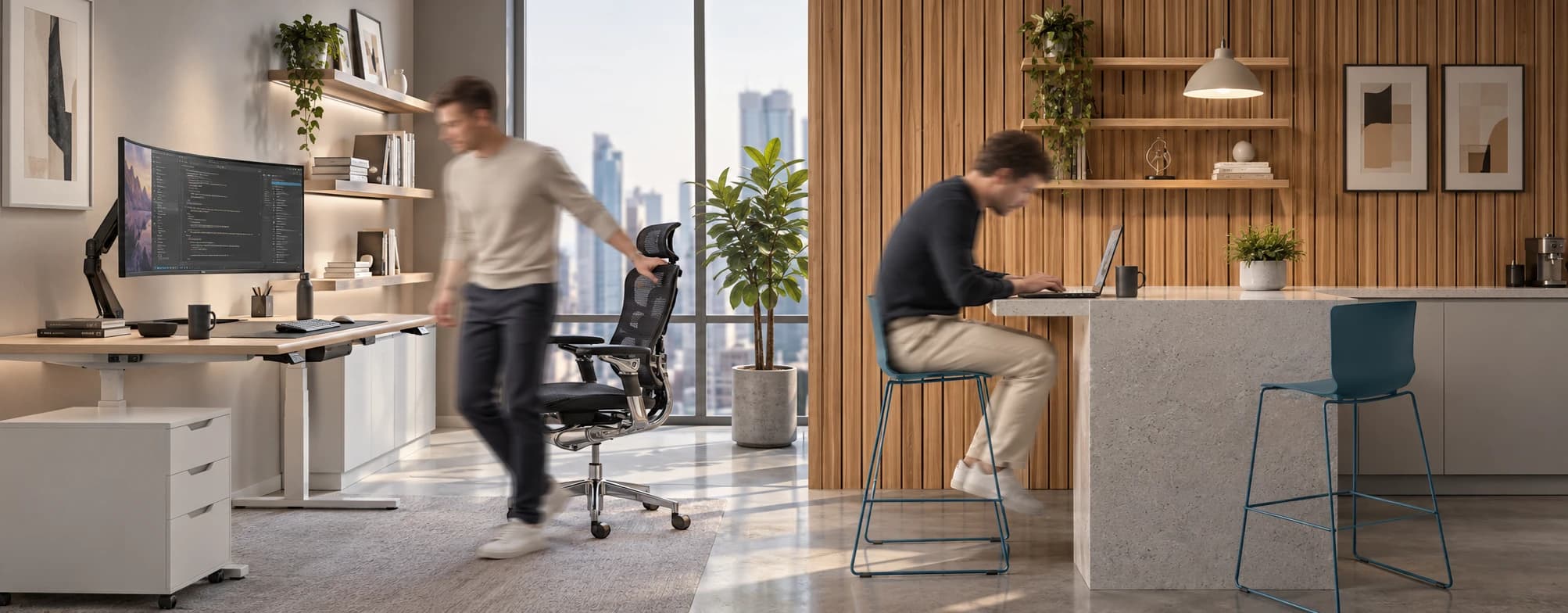
If your job keeps you at a desk for most of the day, you are not alone—and you are not stuck. Software developers and data entry keyers spend 100% of a typical workday seated, while financial managers sit for 94%. Sitting is a standard part of modern work, so the real goal is learning how to reduce its physical impact while staying productive.
What the Research Shows
*Sedentary Volume: Adults in high-income countries spend 11–12 hours daily sitting over 75% of their waking hours (British Journal of Sports Medicine).
*Cardiovascular Risks: Sitting 6–8 hours daily increases cardiovascular event risk by 125% to 150% (Mayo Clinic).
*The 22-Minute Counter: 22 minutes of daily moderate-to-vigorous activity (brisk walking, cycling, active housework) offsets the mortality risk of prolonged sitting (BJSM).
*Micro-Break Impact: 5-minute movement breaks every hour significantly reduce fatigue and improve mood without hurting work performance (2026 BJSM Study).
*Gym Fallacy: A 60-minute workout in the morning does not fully reverse 9 hours of continuous sitting; daily movement breaks are still required.
You x Navo
Feel free to reach out to us for any queries & concerns