

 Visit our Showroom
 +971 585905046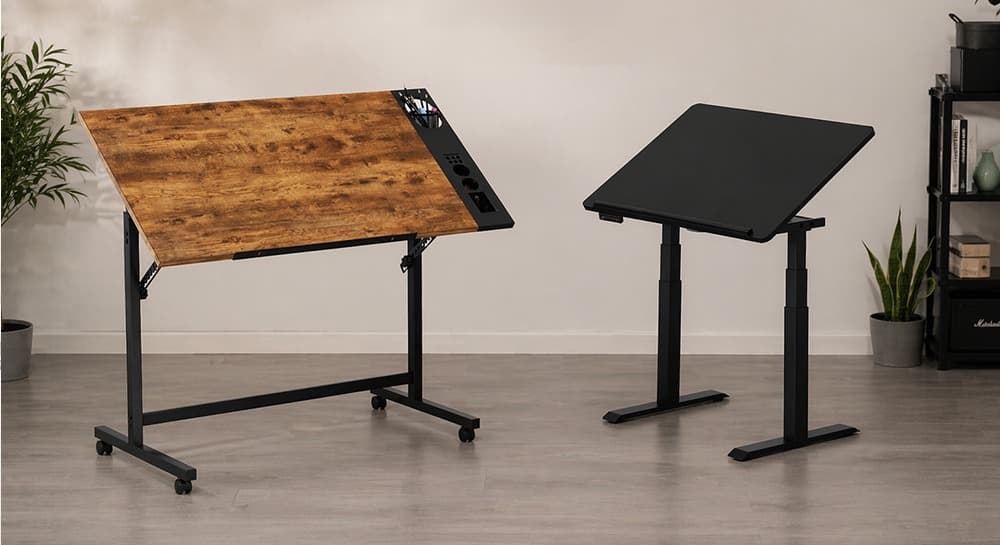
What's the Difference Between a Drafting Table and Drawing Desk?
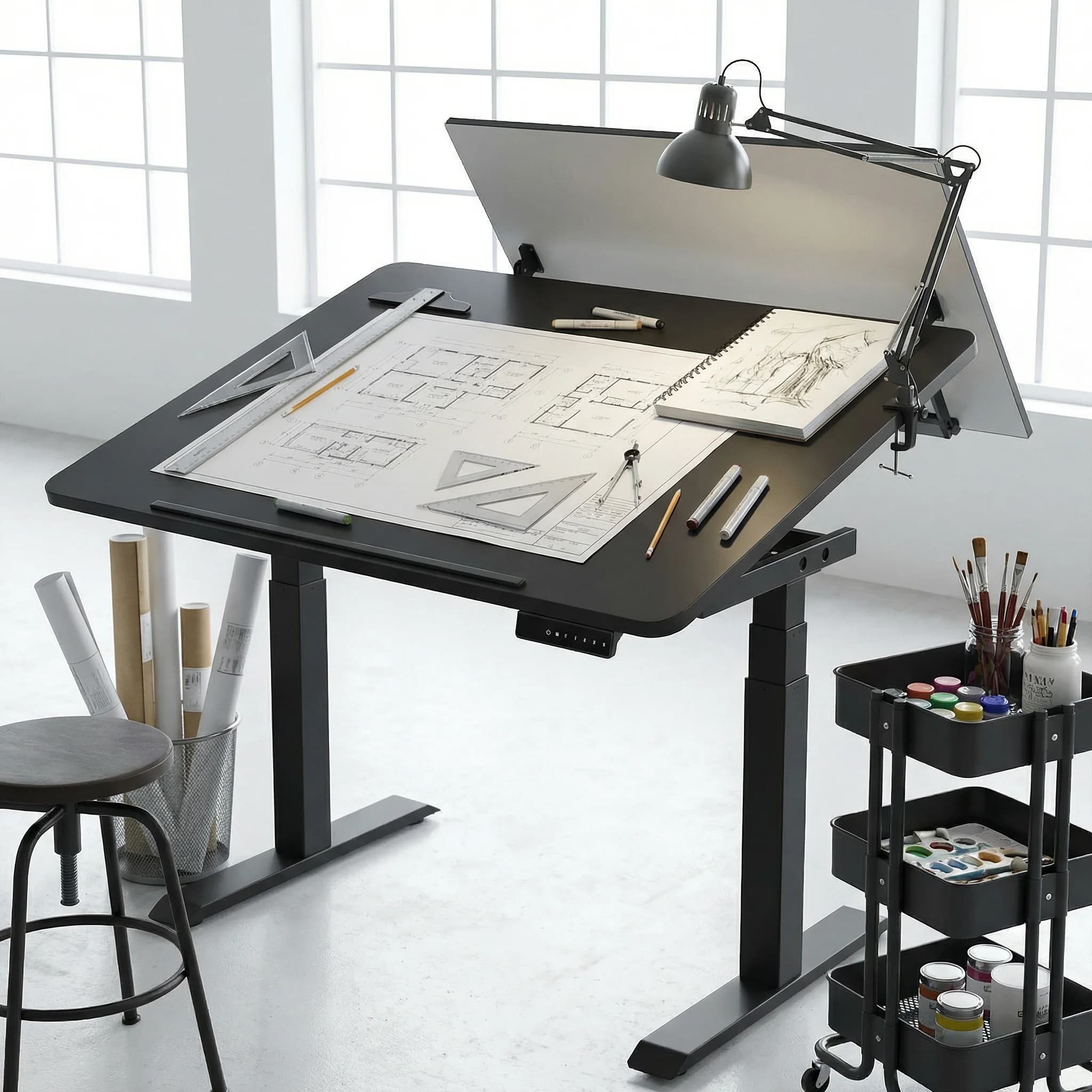
A drafting table has a fixed or adjustable angle for technical drawing. A drawing desk can be any desk used for drawing, whether it's flat, tilted, or height-adjustable.
The distinction matters for Dubai and GCC creative professionals. Technical precision demands specific angles. Creative work benefits from flexibility.
Simple breakdown:
-
Drafting table: Angled surface, often fixed height, technical drawing focus
-
Drawing desk: Versatile surface, may tilt and adjust height, multiple workflows
Modern solutions blur these lines. The best office furniture for creatives combines both in one footprint.
Take me to
What is a Traditional Drafting Table?
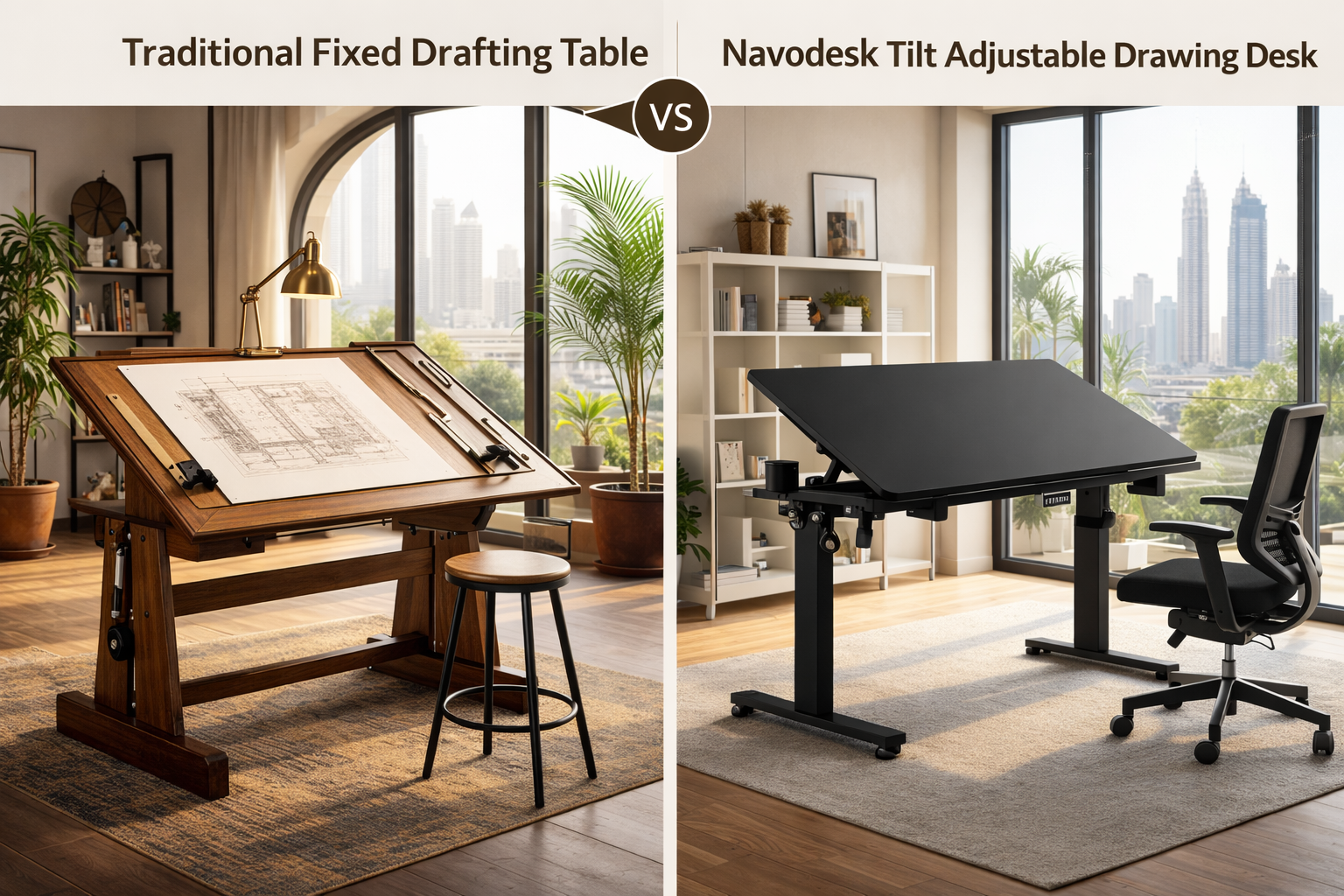
Traditional drafting tables have angled surfaces for technical drawing. They usually come with fixed or manual height adjustments.
Key features: Large surface (24" x 36"+), 0-45° tilt, precision work focus.
History: Dominated 1800s-1990s architecture offices before CAD. Angle prevented hunching, enabled precise lines.
GCC usage: Still in Riyadh/Dubai architecture firms for concepts despite digital dominance.
Limitations: Fixed position, no digital tools, large footprint, no sit-stand.
What is a Modern Drawing Desk?
Modern drawing desks cater to both hand drawing and digital work. They offer height adjustment and optional tilt for comfort.
As workflows shifted analog to hybrid, furniture evolved. Drawing desks accommodate tablets, monitors, AND sketching.
Popular in GCC:
Graphic designers
Interior designers
Product designers
Architects
These roles thrive in Dubai, UAE, Saudi Arabia, and Qatar.
Our home office furniture prioritizes this versatility.
How Does Navodesk Tilt Combine Both?
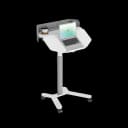
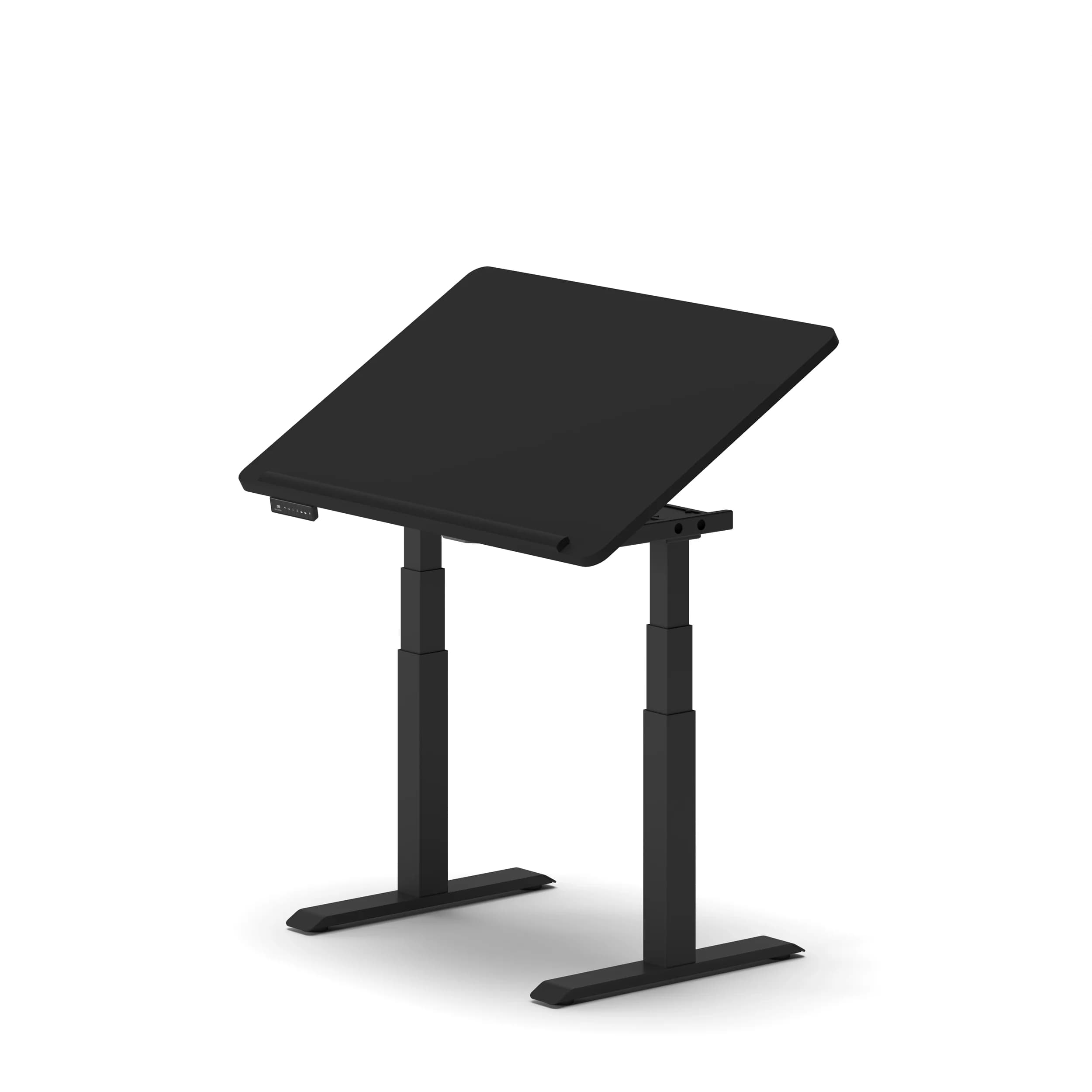
The Navodesk Tilt works as a standing desk and a drafting table. It adjusts to fit your workflow.
This ends the drafting table vs drawing desk debate.
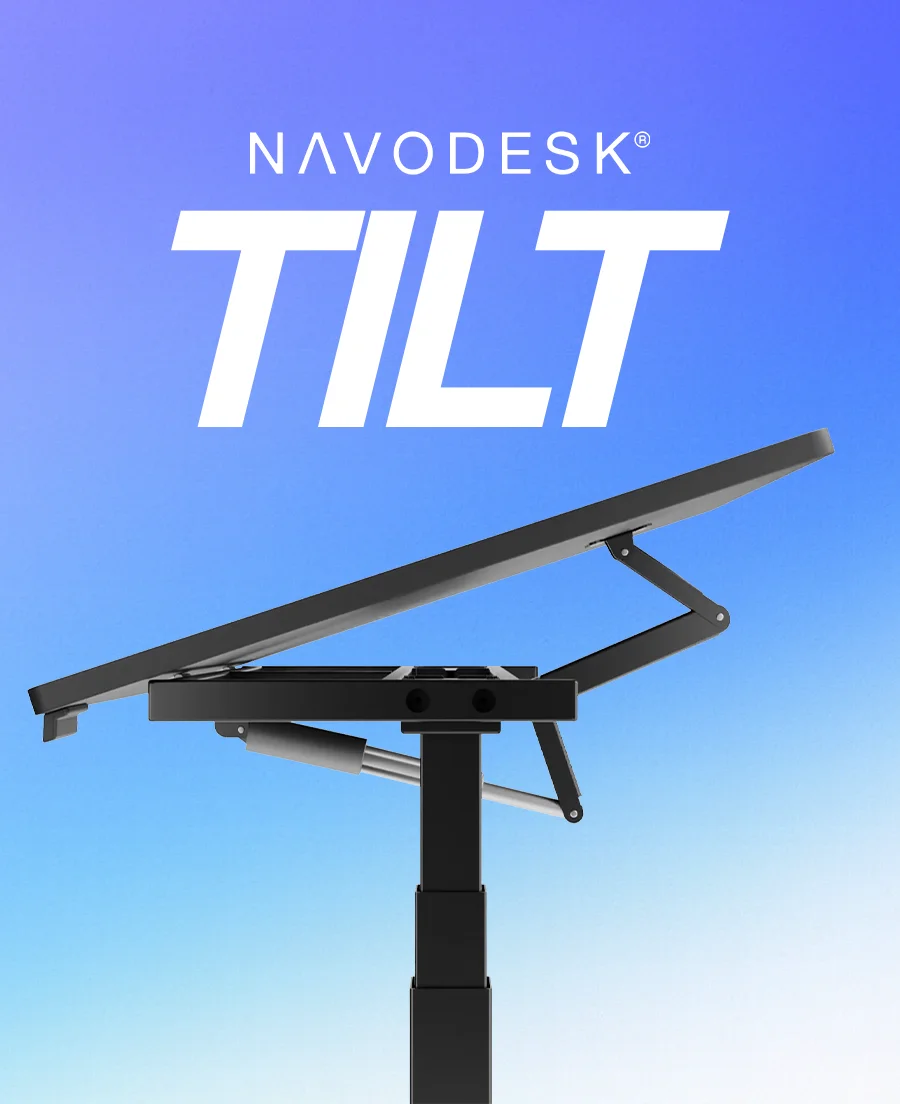
Why choose Navodesk Tilt - Drawing and Drafting Desk?
Key features:
Gas spring tilt mechanism: Smooth angle adjustment 0-45°. No jerky movements. Controlled positioning.
Height range 64-129 cm: Sitting work (64cm) to standing sketching (129cm). Every ergonomic position between.
4 memory presets:
Sitting flat (digital work)
Sitting tilted (hand sketching)
Standing flat (general tasks)
Standing tilted (large-format work)
Why this matters in Dubai:
One Navodesk Tilt replaces:
Traditional drafting table (AED 2,500-4,000)
Standing desk (AED 2,000-3,500)
Sitting desk (AED 1,500-2,500)
Space saved: 60-70% vs. separate furniture
Investment efficiency: Complete capability, one footprint
Browse our standing desk collection including the Tilt for creative professionals.
What Are the Ergonomic Differences?
Traditional:
One height
Static position
Fatigue
Potential neck strain
Modern:
Sit-stand transitions
Movement
Customizable
Reduced fatigue
Navodesk Tilt:
Height and tilt adjustment
Position memory
Stable in all configurations
For GCC 8-10 hour workdays, ergonomic office furniture Dubai is operational necessity.
How Do Prices Compare in UAE?
Traditional: AED 2,500-4,000 | Modern: AED 2,500-4,000 | Navodesk Tilt: Replaces both
ROI: Saves 60-70% floor space, eliminates multiple workstations, professional construction.
Quality office furniture = long-term GCC health investment.
Our Expertise: GCC Creatives Since 2019
Outfitted studios from Dubai Marina to Riyadh KAFD. GCC workflow understanding, Gulf climate-tested, local Dubai service.
Your Next Steps
Assess workflow
Measure space
Choose materials
UAE/GCC delivery
Frequently Asked Questions
Need Help Building Your Ergonomic Setup?
We'll guide you to the perfect chair, desk setup, and comfort tips for a productive workday.
Navodesk® TILT - Drafting & Standing Desk
Go beyond simple sit-stand dynamics, the tilt mechanism transforms your regular standing desk into a professional drafting table.
 2,090
2,090Popular Blogs
View all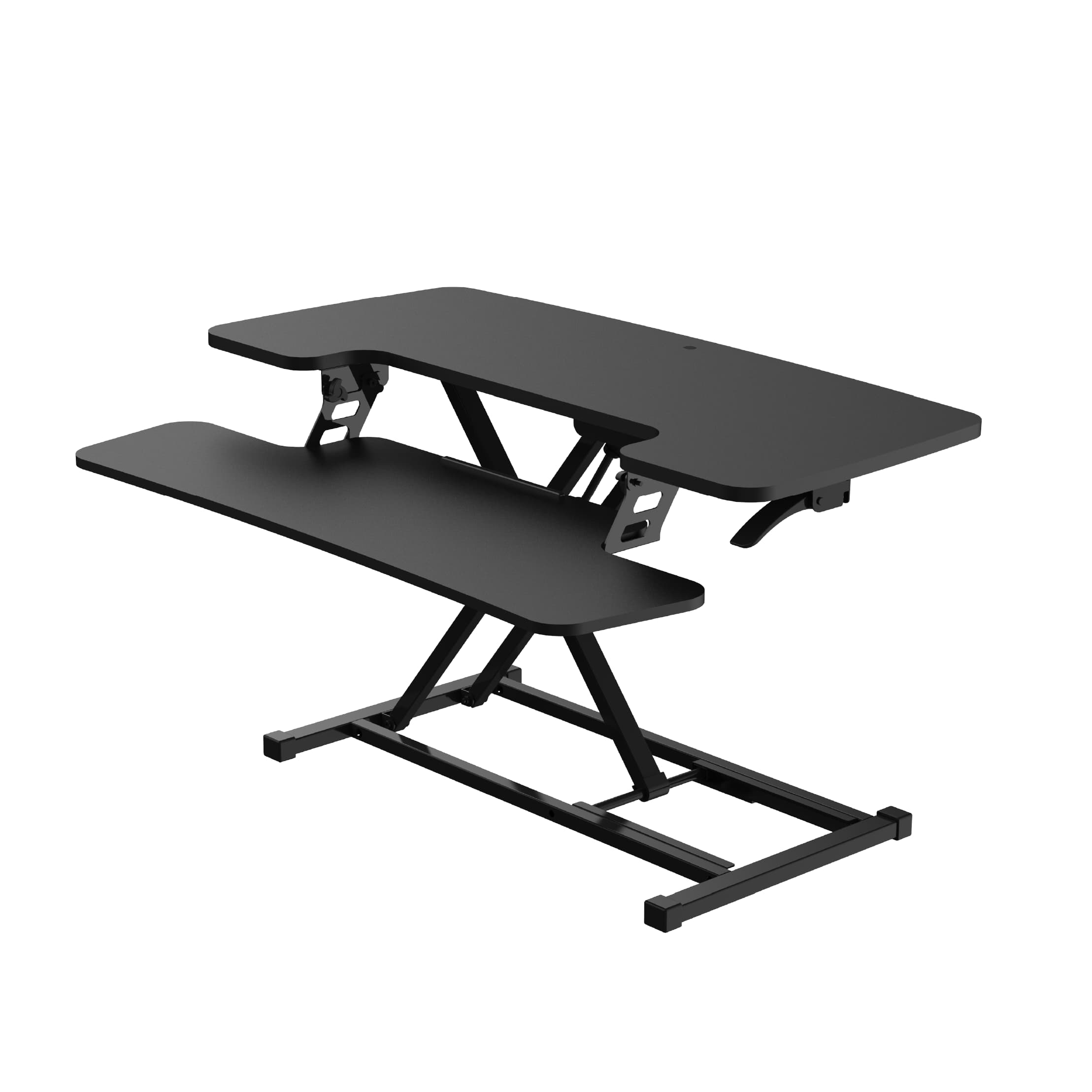
What Is a Desk Riser?
There's a moment most WFH professionals recognise—somewhere around 2 PM, lower back tightening, energy dipping, suddenly very aware you haven't moved in three hours. The solution everyone recommends is a standing desk. The price tag makes you reconsider.
Enter the riser desk—positioned as a cheaper, easier alternative. But what actually is it, and does it genuinely solve the same problem?
So lets understand what is a desk riser and what's the difference between standing desk and desk riser
What Is a Desk Riser?
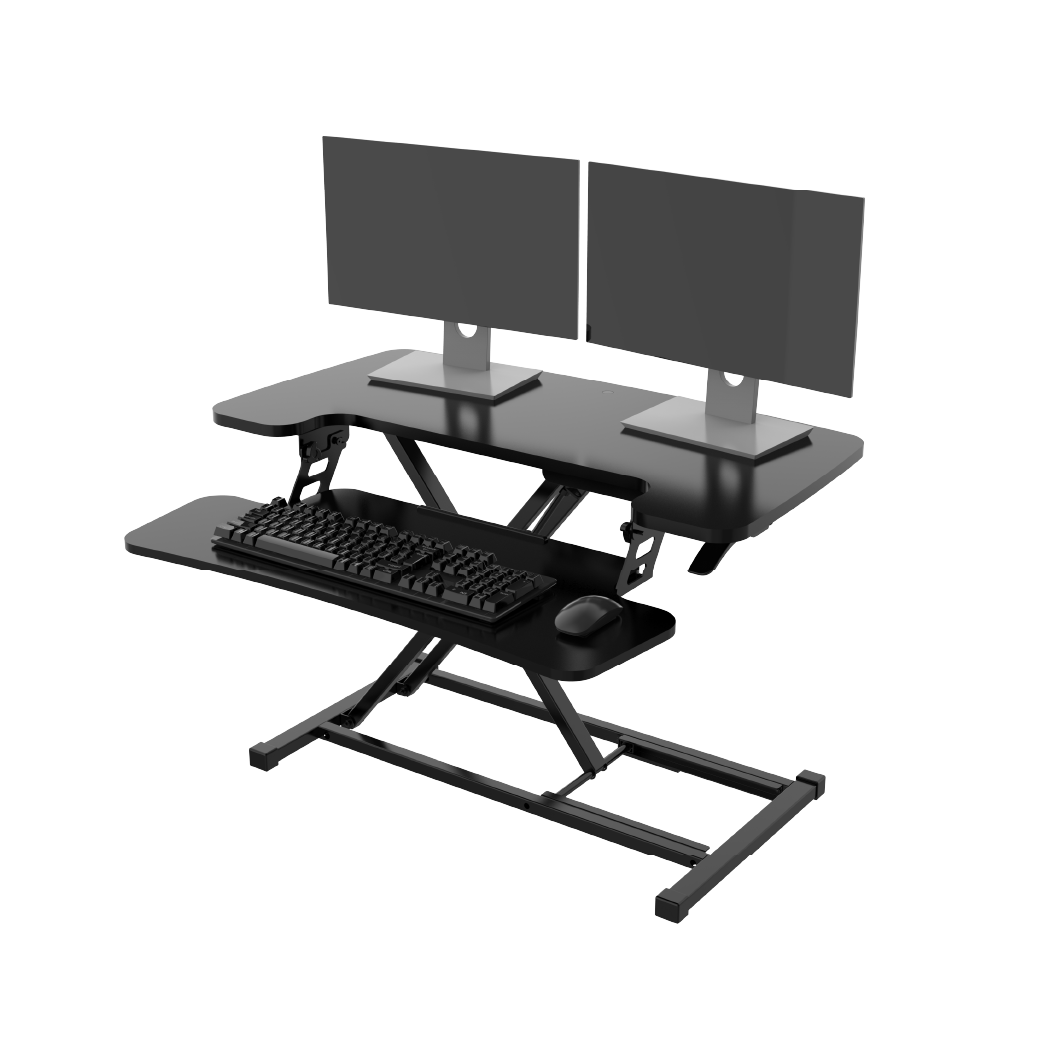
A riser desk—also called a standing desk converter or desk riser—is a height-adjustable platform that sits on top of your existing desk surface, raising your monitor, keyboard, and mouse to standing height without replacing your desk.
It's an add-on, not a replacement. Your current desk stays exactly where it is. The converter creates a raised working layer above it, which you lift when you want to stand and lower when you sit.
Think of it as a workstation within a workstation.
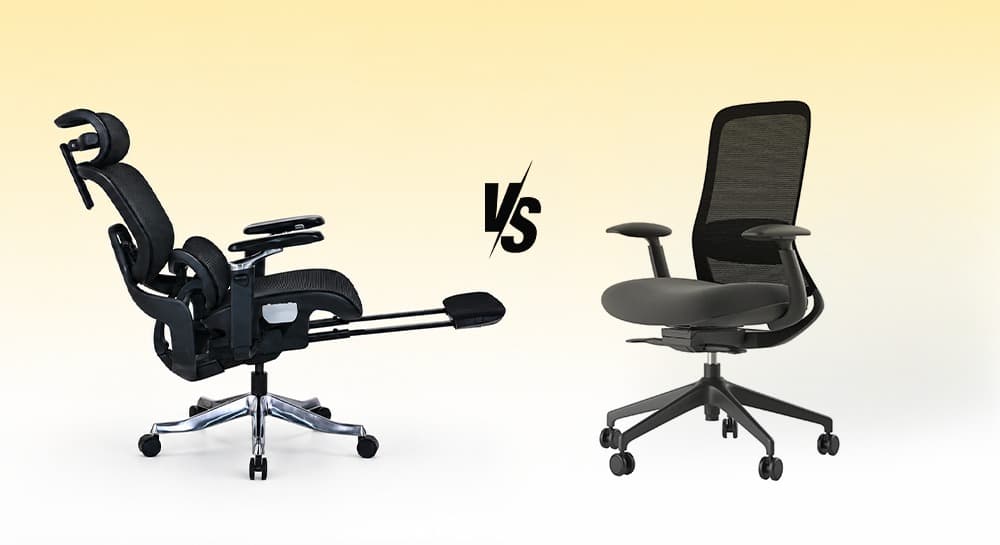
Ergonomic Chair vs Office Chair: Which One Should You Choose?
Most people don't start searching for an ergonomic chair.
They start searching because something hurts.
A stiff lower back. Tight shoulders. Neck strain after a long day at the desk.
That's usually when the question appears:
Should I buy an ergonomic chair or a regular office chair?
The answer depends less on the chair category and more on how long you sit, how often you work at a desk, and how much adjustment your body actually needs.
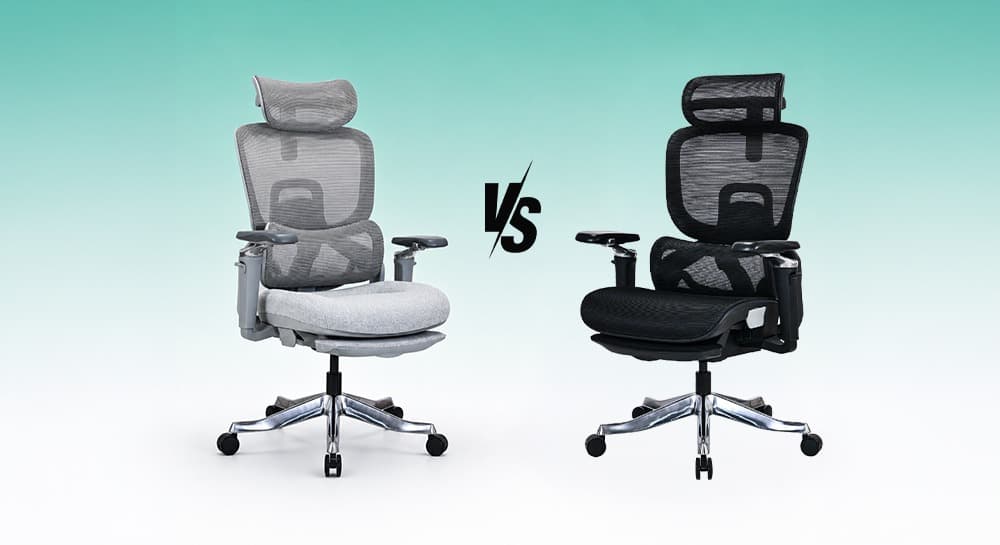
Mesh Chair vs Cushion Chair: Which One Is Better for Long Hours?
Most people choose an office chair based on first impression.
Mesh chairs feel cooler. Cushion chairs feel softer.
But long-term comfort is more complicated than that.
The main comparison of mesh and cushion office chairs focuses on five key factors:
-
Posture support
-
Airflow
-
Pressure distribution
-
Maintenance
-
Long-term performance
It's not just about how they feel in the first 10 minutes.
That’s why users often change opinions over time.
A chair that feels soft initially may feel tiring later. A firmer ergonomic chair may feel better after weeks of consistent work.
Neither option is universally better.
The right choice depends on how you sit, work, and move every day.
You x Navo
Feel free to reach out to us for any queries & concerns