

 Visit our Showroom
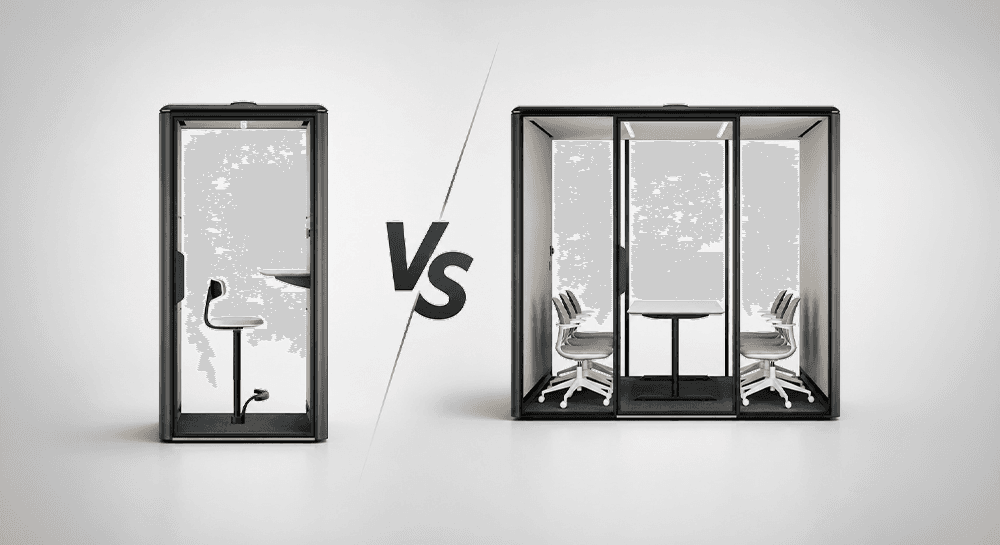
Both solve the open-plan noise problem. Both sit on your office floor without construction. Both are operational within a day.
So why are they different products - and why does choosing the wrong one matter?
The distinction is simpler than most buyers think. An office pod is built around one person's need for quiet and privacy. A meeting pod is built around a group's need for enclosed collaboration. Getting the capacity wrong can lead to problems. A single user might feel lost in a 4-person room. Meanwhile, three colleagues could be squeezed into a 1-person booth for a stand-up.
Since 2019, we have been providing and installing acoustic workspace solutions in offices across the UAE and GCC. The capacity mismatch is the most common pod buying mistake we see - and the easiest one to avoid.
Take me to
What Is the Difference Between an Office Pod and a Meeting Pod?
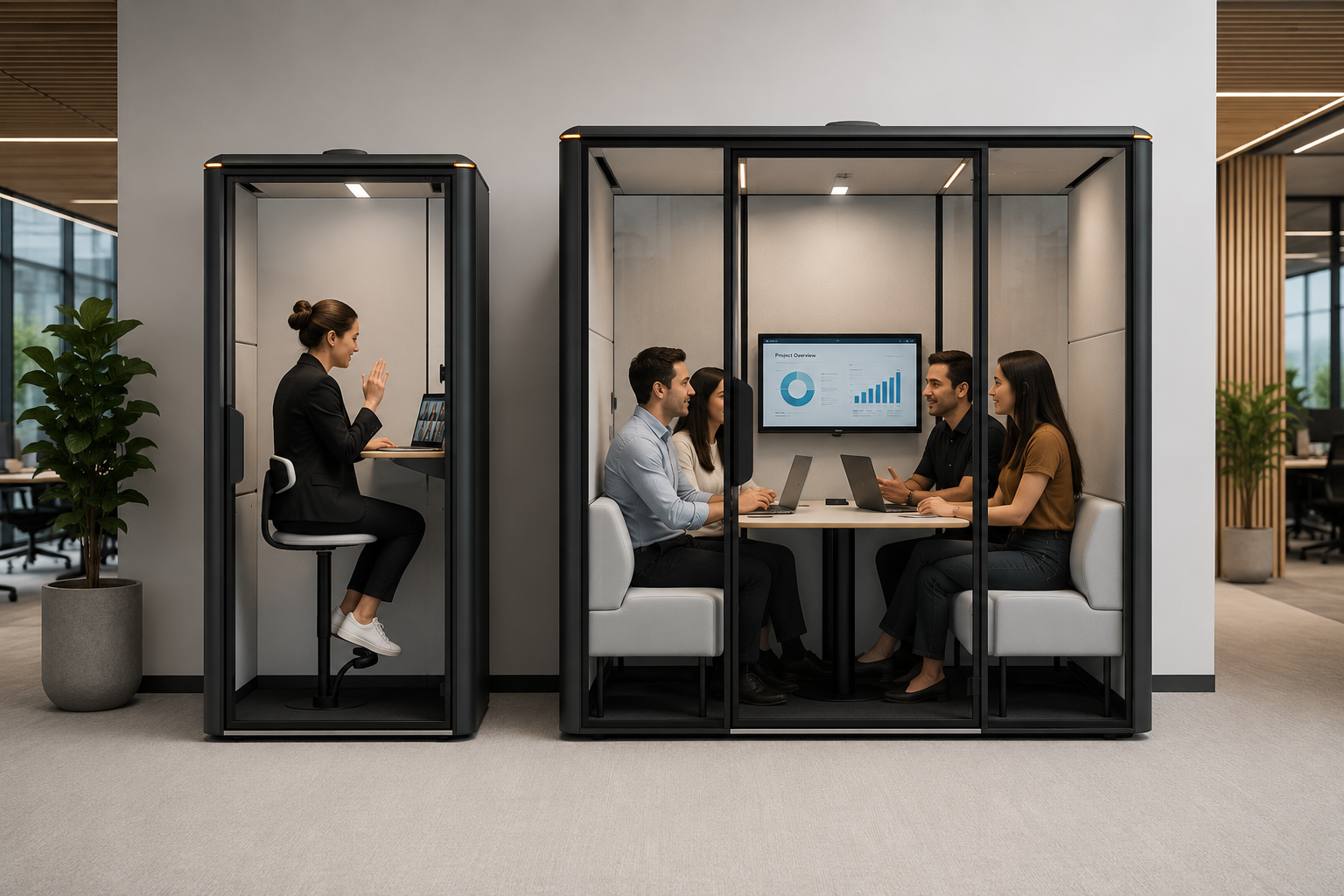
An office pod is a small acoustic space for 1 to 2 people. It's meant for focused work, private calls, and confidential talks. A meeting pod is an enclosed acoustic space for 3 to 6 people. It's great for team sessions, group video calls, collaborative work, and small workshops. Both are freestanding and prefabricated, needing no construction. The difference lies in capacity and their intended use.
The terminology varies by brand and market. Some manufacturers use "office pod" as the umbrella term covering all sizes. Others use it specifically for solo units.
To clarify:
An office pod holds 1 to 2 people.
A meeting pod holds 3 to 6 people.
The physical difference reflects the functional one. A solo office pod is compact — typically 1–1.5 sqm footprint — with a single work surface and minimal seating. A meeting pod occupies 3–5 sqm, includes a table configuration, and seats multiple people facing each other or a shared screen.
What Is an Office Pod Best For?
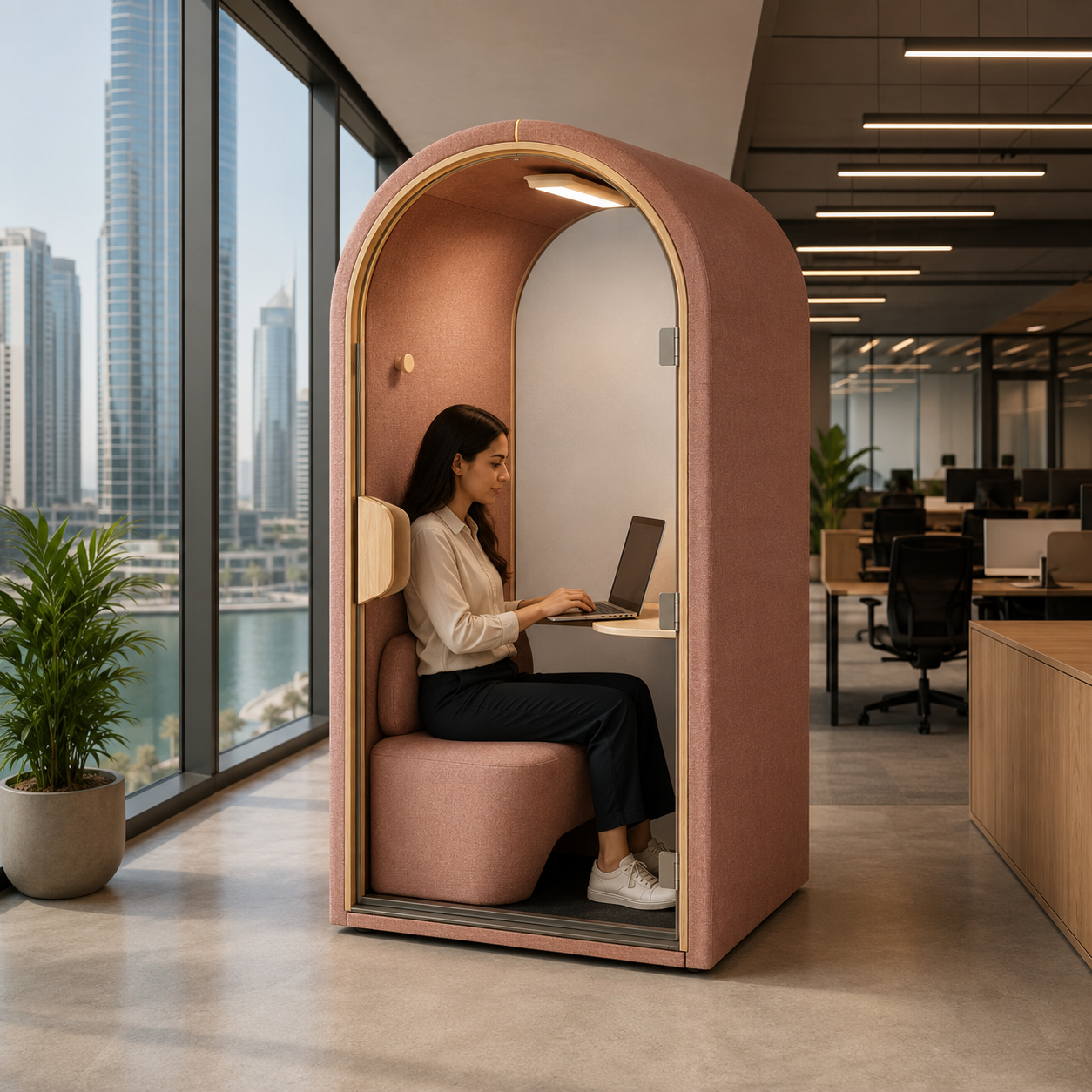
Office pods (1–2 person capacity) have four main uses:
Deep focus work without noise from open-plan spaces.
Private phone or video calls that won’t disturb others.
Confidential 1-on-1 talks, like HR or medical discussions.
Paired collaboration, allowing two people to work closely without disrupting the rest of the office.
The solo office pod addresses the most frequent daily acoustic problem in open-plan environments. Noise in open offices can harm work performance. Research in Occupational and Environmental Medicine shows it results in lower accuracy and slower task completion. It also raises cortisol levels. One person on a video call in an open space creates noise for over 10 nearby colleagues. At the same time, they get noise from those colleagues back on their call. A solo pod eliminates both problems simultaneously.
WELL Building Standard acoustic guidance identifies individual speech privacy as a distinct workplace health requirement — separate from group meeting privacy. Solo pods address this specific requirement.
When an office pod is the right choice:
The primary problem is individual video calls disrupting the open floor
HR, performance, and confidential conversations need a private space that isn't a full meeting room
Individual deep focus work requires isolation from ambient noise
Budget is tighter and 1-person acoustic coverage addresses the majority of noise complaints.
What Is a Meeting Pod Best For?
Meeting pods (3–6 people) meet team acoustic needs. They're great for daily stand-ups, sprint reviews, small group brainstorming, and video calls with clients and team members. They also work well for training sessions and recurring meetings that only need 3–4 people but currently book a full room.
The meeting pod solves a different problem. It's not just one person disrupting the floor. It’s a team needing a quiet space for collaboration. They want to avoid the hassle of booking, walking, and waiting for a formal meeting room.
Gensler's 2026 Global Workplace Survey found that the highest-performing offices offer a range of space types including enclosed team collaboration spaces, not just open desks and large meeting rooms. The meeting pod fills the gap between those two extremes — more capacity than a solo pod, less overhead than a conference room.
In Dubai and GCC offices, a team of 3–4 people joining a video call from a meeting pod has much better audio quality. This is true compared to the same group huddled around a laptop on an open desk. For hybrid teams calling into London, New York, or Singapore, this matters operationally.
When a meeting pod is the right choice:
Small team meetings (3–6 people) are currently consuming a full meeting room that's larger than needed
Daily stand-ups and quick team sessions require a special acoustic space. This space shouldn’t need formal room booking.
Group video calls with remote team members require contained audio for all participants
The team needs a semi-permanent project room for focused collaborative sprints.
How Do They Compare on Acoustic Performance?
Navopod's office and meeting pods reduce sound by 30–35 dB. This meets the ISO 23351-1:2020 standard for speech privacy in professional settings. The acoustic performance is consistent across capacities. The difference between a solo pod and a meeting pod is in size and layout, not in acoustic quality.
This needs clarification. Buyers often think larger pods are quieter. They assume a 4-person pod gives up sound reduction to fit more people. It doesn't. The panel construction, acoustic seals, and ventilation systems are the same for all Navopod models. This is true no matter the capacity.
The Cove range has UL Greenguard certification. This is important for UAE organizations with ESG reporting needs or fit-out requirements linked to the UAE Net Zero 2050 strategy. Greenguard certification shows low chemical emissions. This is key for enclosed spaces with limited air.
What does affect acoustic experience in a meeting pod specifically is the number of people inside. Four people chatting normally make more noise in a pod than one person. That's why meeting pods have acoustic treatment on the inside, not just on the outside. The Navopod Vanta Quad and Hexa tackle this issue. They feature acoustic panels designed for spaces with multiple voices.
How Do They Compare on Footprint and Space Planning?
Solo office pods occupy approximately 1–1.5 sqm. Duo pods 1.5–2.5 sqm. 4-person meeting pods 3–4 sqm. 6-person conference pods 4–6 sqm. In Dubai, commercial real estate costs AED 150–300 per sqft. Footprint efficiency matters. For example, using a meeting pod for individual calls wastes space and money.
Space planning for pods follows a simple principle: match capacity to the most frequent use case, not the maximum possible use case.
A 4-person Navopod Vanta Quad works best for a space where 80% of calls are individual. This setup leads to the pod being used only 25% of the time, as people still take calls at their desks. The right specification: solo pods for the dominant individual use case, plus a single meeting pod for the team sessions that need it.
The reverse mistake happens when only solo pods are chosen for team stand-ups that usually have 3–4 people. This leads to three people squeezed into a 1-person booth. Then, the meeting pod goes unused, forcing everyone into a full meeting room.
Practical floor planning ratios for Dubai offices:
| Team Size | Suggested Solo Pods | Suggested Meeting Pods |
|---|---|---|
| 10–15 people | 1–2 | 1 |
| 20–30 people | 2–3 | 1–2 |
| 40–60 people | 4–6 | 2–3 |
| 60–100 people | 6–8 | 3–4 |
Our workspace optimization service includes pod placement planning specific to your floor layout - confirming capacity mix, positioning relative to workstation clusters, and circulation clearances.
What About Phone Booths - Where Do They Fit?
For individual call privacy without the full footprint or investment of a solo pod, acoustic phone booths serve the standing 1-person call use case from AED 3,350. Phone booths are the right solution when the need is specifically short calls rather than seated focus work or extended video sessions.
The three-tier acoustic solution hierarchy:
Phone booth (from AED 3,350): Standing use, short calls (5–15 minutes), minimal footprint. Right for: reception areas, corridors, beside open workstations where a quick private call is needed.
Solo/duo office pod (AED 12,999–39,999): Seated use, extended focus work and calls, proper work surface. Right for: individual deep work, confidential conversations, extended video sessions.
Meeting pod (AED 39,999–59,999): Multi-person seated use, collaborative work, group video calls. Right for: team stand-ups, small meetings, collaborative sprints.
Each serves a distinct use case. An office that uses only meeting pods overspends on capacity. It also fails to meet individual acoustic needs. An office that only deploys phone booths leaves extended focus work and team sessions unserved.
The full acoustic solutions range from Navo covers all three tiers — allowing offices to specify the right solution at each acoustic need level rather than forcing one format to do all the work.
Vanta vs Cove: Which Range Is Right for Your Office?
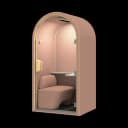
The Navopod Vanta and Cove ranges both deliver professional acoustic performance. The difference is environmental tone. Vanta is clean, enclosed, and professional — glass panels, structured lines, corporate aesthetic. Cove feels warm and welcoming. It has soft acoustic foam and curved shapes. The materials are thoughtful, not clinical.
This distinction matters more than buyers initially expect. The pod's look influences how people feel about using it. It also affects how often they use it, making the investment worthwhile.
Choose Vanta if: Your office has a modern look. Think glass walls, polished floors, and structured furniture. DIFC law firms, financial services offices, and tech company HQs in Dubai Internet City often fit the Vanta range. The enclosed, professional finish reinforces the workspace tone.
Choose Cove if: Your office leans toward the resimercial direction - warm wood tones, soft furnishings, an environment that feels welcoming rather than structured. Creative agencies, media companies, and co-working spaces in business hubs like d3 (Dubai Design District) or Al Quoz often suit the Cove range. The soft acoustic foam interior also produces a warmer audio environment for extended recording or voice work.
The Greenguard consideration: The Cove range carries UL Greenguard certification for low chemical emissions. In enclosed spaces with limited air volume — particularly solo pods where one person occupies the full interior - material emissions matter for sustained daily use. If ESG specifications or occupant health standards are part of your fit-out brief, Cove's certification provides documented compliance. The UAE Net Zero 2050 strategy and WELL Building Standard requirements increasingly influence fit-out specifications in Dubai's Grade A commercial buildings.
Both ranges are available across the full capacity spectrum - solo through Hexa - so aesthetic preference doesn't limit your capacity options.
Which Industries in the UAE Use Office Pods and Meeting Pods Most?
The UAE sectors with highest pod adoption reflect where open-plan acoustic problems intersect with confidentiality requirements or global call volume: financial services and professional services (DIFC), technology and SaaS companies (Dubai Internet City, One Central), creative and media agencies (d3, Al Quoz), healthcare administration, and hybrid-first corporate offices managing international time zones.
Financial and professional services: DIFC law firms, audit practices, and financial advisory offices face a specific combination: open-plan floors for collaboration, but client conversations that cannot be overheard. Solo and duo pods handle client calls and sensitive discussions without the overhead of booking formal meeting rooms for every 20-minute conversation.
Technology companies: Tech teams running daily agile ceremonies - stand-ups, sprint reviews, retrospectives - need a contained 3–4 person space multiple times per day. A Navopod Vanta Quad or Cove Quad serves as a semi-permanent team pod for these recurring sessions, freeing formal meeting rooms for external calls and demos.
Creative and media: Agencies in Dubai Design District and Al Quoz manage simultaneous client calls, internal creative reviews, and production sessions across small teams. The Cove range's warm acoustic interior suits creative work environments where audio quality and comfort for extended sessions matter as much as professional aesthetics.
Healthcare administration: Hospital and clinic administrative offices in Dubai Healthcare City and across Abu Dhabi manage HR, patient coordination, and sensitive administrative conversations that require speech privacy. Solo and duo pods serve this consistently - providing ISO 23351-1:2020 speech privacy without building dedicated consultation rooms in administrative floor areas.
Hybrid-first corporate offices: Organisations managing teams across UAE, Saudi Arabia, Qatar, and international offices deal with the highest video call density - teams in Riyadh, Kuwait City, Doha, and Manama calling in simultaneously to a Dubai floor. Meeting pods serve as contained call hubs where 2–4 people join international calls without the open floor becoming an echo chamber.
How Do Pods Fit Into the Wider Office Workspace?
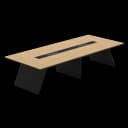
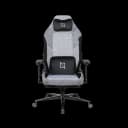
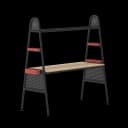
Office pods and meeting pods are one layer of a complete workspace strategy — not the whole answer. The acoustic zone pods create works alongside ergonomic individual workstations for focused desk work, standing desks for position variation, meeting tables for larger formal sessions, and high tables for informal standing collaboration.
Gensler's 2026 Global Workplace Survey shows the highest-performing offices offer four distinct environment types: individual focus space, team collaboration space, social space, and learning space. Pods address the focus and small-team collaboration layers specifically. They don't replace the other layers.
A floor with only pods — no open workstations, no informal collaboration areas, no larger meeting table — creates a different problem. People need a range of work modes across a day. The pod serves the acoustic privacy mode. The ergonomic workstation serves the sustained focus mode. The meeting table serves the larger group session. The high table and lounge seating serve the informal connection mode.
Getting this mix right is what our workspace optimization service addresses — space planning that balances pod acoustic zones, open workstation areas, and collaborative surfaces into a floor layout that works for how your specific team operates.
As we covered in our smart office furniture for hybrid workplaces guide, the four-zone hybrid office model maps directly to this: individual zone (height-adjustable workstations), collaborative zone (meeting tables, high tables), acoustic zone (pods and phone booths), and informal zone (lounge seating). Pods are essential to the acoustic zone — but the model only works when all four zones are present.
What to Check Before Buying a Pod in Dubai
Five practical checks before specifying any pod for a UAE office:
1. Ceiling height: Most pods require 2.3–2.8m ceiling clearance. Confirm your ceiling height before ordering — particularly in older Dubai commercial buildings with lower floor-to-ceiling heights.
2. Power access: Pods require a standard UAE power outlet nearby. Confirm outlet positions relative to intended pod locations during placement planning — running new electrical for a pod is straightforward but adds lead time.
3. Fire egress compliance: Dubai Civil Defence regulations require clear emergency exit routes. Pod placement must not obstruct designated egress paths. Our team confirms this during workspace optimization planning.
4. HVAC and ventilation: Navopods include integrated ventilation fans. In Dubai's climate — even in AC-cooled offices — ventilation inside an enclosed pod is not optional. Confirm the pod's ventilation system is operational before first use.
5. Flooring compatibility: Pods are freestanding and don't require floor fixing in most configurations. Confirm the base structure is stable on your floor type — tile, carpet, and raised flooring all have different stability characteristics for freestanding units.
Our Dubai showroom at Al Khabaisi Complex, 74 2B Street, has the Navopod range on display — the best way to verify ceiling height compatibility, ventilation performance, and acoustic quality before purchasing. Call us on +971 4 262 2422 to arrange a visit.
The Decision in Plain Terms
One question cuts through the comparison faster than any feature list:
Who is using the space, and how many of them at once?
One person needs quiet to focus or take a call → solo office pod.
Two people need a private conversation → duo pod.
Three to four people need to collaborate or call in together → meeting pod (Quad).
Five to six people need a workshop or presentation space → conference pod (Studio).
Not sure which mix is right for your floor? We've been working with UAE and GCC businesses on acoustic workspace planning since 2019 - from single-pod installs in JLT startups to multi-pod deployments across DIFC corporate floors. Contact the Navo team or visit our Dubai showroom at Al Khabaisi Complex, 74 2B Street, to see the full Navopod range before specifying.
Frequently Asked Questions
- Capacity and intended use. Office pods (1–2 person) are for individual focus work, private calls, and confidential 1-on-1 conversations. Meeting pods (3–6 person) are for team collaboration, group video calls, and small meetings. Both are freestanding, acoustic, and require no construction — the difference is how many people they comfortably accommodate and what use case they're designed around.
- Yes - but it's not the most efficient use of the space or the investment. A meeting pod's interior configuration (table, multiple seats, group AV setup) is optimised for team use. A solo pod provides equivalent or better acoustic performance for individual use at lower cost and smaller footprint.
- A practical starting ratio: 2–3 solo/duo pods for individual acoustic needs plus 1–2 meeting pods for team sessions. Measure actual utilisation after 30 days - if pods are consistently at capacity through the day, add units where saturation occurs first.
- Yes - the Navopod range achieves 30–35 dB of acoustic reduction, meeting ISO 23351-1:2020 speech privacy standards. Conversations inside are private to those outside. For environments requiring maximum isolation (legal proceedings, medical consultations), confirm specific acoustic requirements against the pod specification before purchasing.
- Phone booths are standing-use, short-call solutions (5–15 minutes) at compact footprint from AED 3,350. Solo office pods are seated, with a work surface, for extended focus work and video sessions (AED 12,999+). If the need is a quick private call, a phone booth serves it. If it's an hour of focused work or a 45-minute video meeting, a solo pod is the right solution.
Need Help Building Your Ergonomic Setup?
We'll guide you to the perfect chair, desk setup, and comfort tips for a productive workday.
Shop Office FurniturePopular Blogs
View all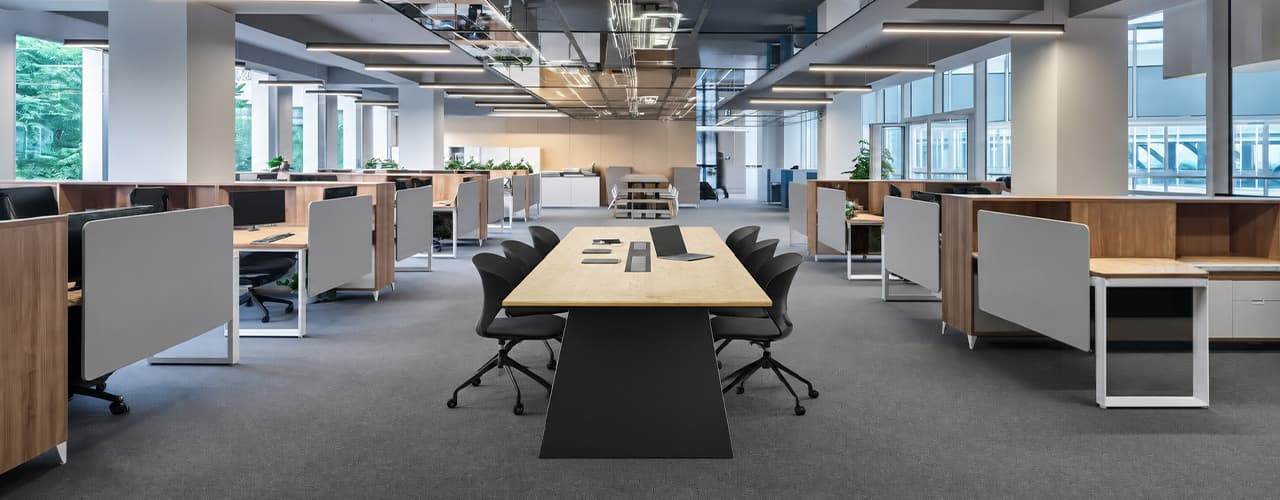
Open Plan vs Cubicle vs Hybrid Office Layout: Which Is Right for You?
The open-plan office was supposed to fix everything the cubicle farm got wrong. It didn't. It created a different set of problems and left people nostalgic for the one thing cubicles did well: quiet. The hybrid layout is positioned as the solution that addresses the shortcomings of both. It might be only if it fits how a specific team works. It shouldn't be a mix of two philosophies that didn’t help the team before. This guide shows what each layout offers and where it falls short. It also helps you choose the best option-or combination-for your office in Dubai or the GCC.
Key Findings
*Global office use is now at 53%, up from 38% in 2024. Also, 69% of teams have over 40% of their staff sharing desks. This shows that 2019 workspace designs don’t fit current needs.
*A Harvard study found that open-plan spaces often lower face-to-face interaction. Instead, they boost digital communication. This is the opposite of what these designs aim for.
*A hybrid model conversion at a 120-person SaaS company restored engineering deployment speed to baseline. It also reduced voluntary turnover in technical roles by 18% over nine months.
*Steelcase research shows that companies improving their work environment boost productivity by 17%.
*In 2026, the most innovative UAE offices aren’t just picking open plans or cubicles. They’re creating “activity neighborhoods.” These are clusters of spaces designed for different work styles.
*No layout is universally right. The best choice depends on your team's work style, industry, hybrid attendance ratio, and specific acoustic needs for your floor.
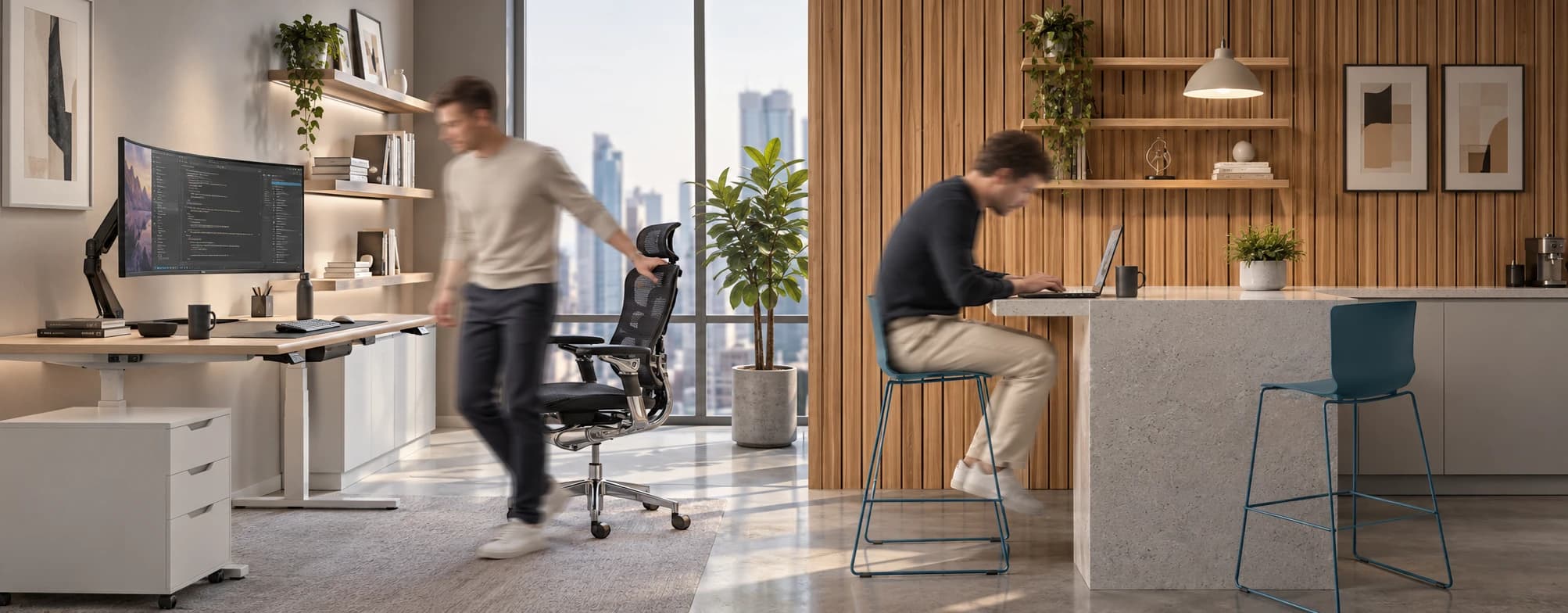
Sitting isn’t the Enemy, How You Sit Is: How to Align Your Desk for Zero Back Strain
If your job keeps you at a desk for most of the day, you are not alone—and you are not stuck. Software developers and data entry keyers spend 100% of a typical workday seated, while financial managers sit for 94%. Sitting is a standard part of modern work, so the real goal is learning how to reduce its physical impact while staying productive.
What the Research Shows
*Sedentary Volume: Adults in high-income countries spend 11–12 hours daily sitting over 75% of their waking hours (British Journal of Sports Medicine).
*Cardiovascular Risks: Sitting 6–8 hours daily increases cardiovascular event risk by 125% to 150% (Mayo Clinic).
*The 22-Minute Counter: 22 minutes of daily moderate-to-vigorous activity (brisk walking, cycling, active housework) offsets the mortality risk of prolonged sitting (BJSM).
*Micro-Break Impact: 5-minute movement breaks every hour significantly reduce fatigue and improve mood without hurting work performance (2026 BJSM Study).
*Gym Fallacy: A 60-minute workout in the morning does not fully reverse 9 hours of continuous sitting; daily movement breaks are still required.
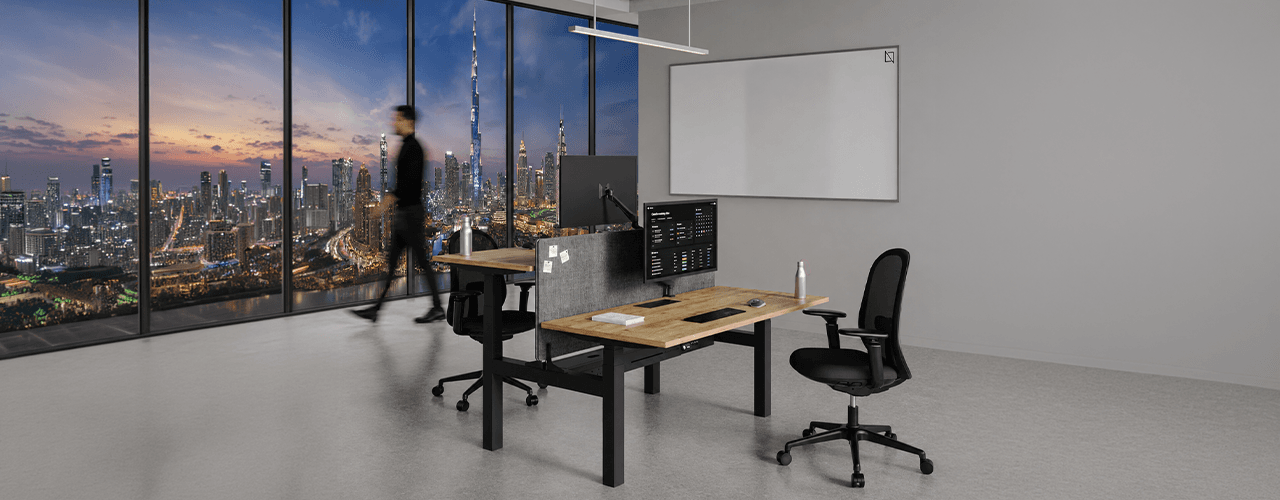
The Ultimate Office Furniture Setup Checklist for Modern Teams
Most offices aren't badly furnished. They're incompletely furnished. A great chair paired with the wrong desk height. A standing desk with no monitor arm. A collaborative floor with no acoustic separation.
The gap is rarely one big thing. It's several small things missing from the same setup at the same time.
This checklist covers every furniture category a modern UAE office needs — what to look for, what to avoid, and what the research says about each. Use it for a new fit-out, an upgrade review, or a department-by-department audit.
Key Findings
*The chair is the top furniture investment for knowledge workers. It has the most contact hours and directly impacts posture, energy, and afternoon performance.
*Fixed desks at 75cm fit about 30–40% of UAE office teams well. Height adjustability isn’t a luxury; it meets everyone’s needs.
*Open-plan offices without acoustic zones can lose employees up to 86 minutes of productive time each day. This is based on workplace productivity research.
*EU-OSHA highlights musculoskeletal disorders as the top workplace health concern worldwide. Poor seating and desk height are key factors.
*CBRE's 2026 Global Workplace Insights reveals that 69% of organizations have over 40% of staff sharing desks. This shift means adjustability is now a standard requirement, not just an upgrade.
*Quality ergonomic chairs last 8–12 years. A BIFMA-certified chair costs less per year when spread over 10 years. This cost is lower than one physiotherapy session for occupational back pain in Dubai.
You x Navo
Feel free to reach out to us for any queries & concerns