

 Visit our Showroom
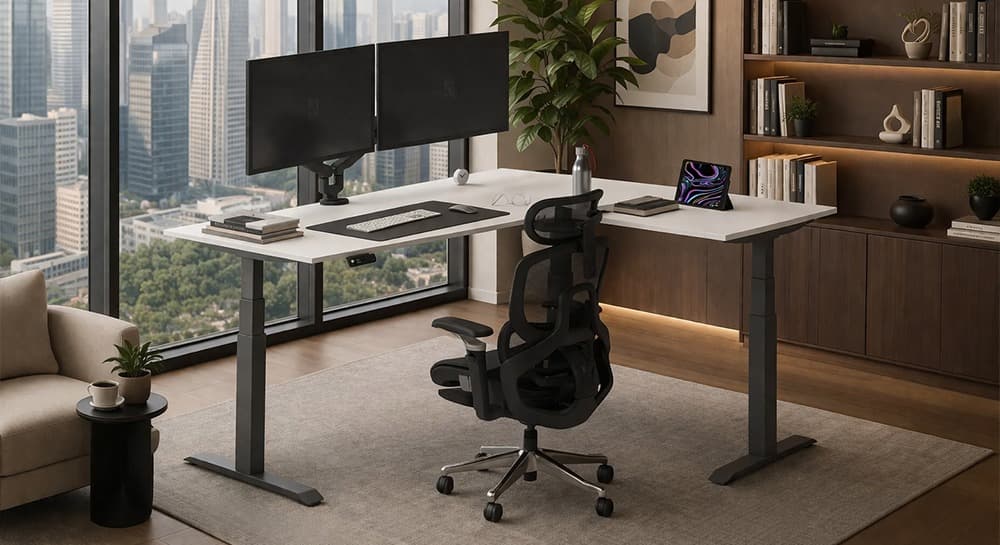
The global standing desk market is experiencing significant growth, projected to expand from USD 8.59 billion in 2025 to USD 11.66 billion by 2031, registering a CAGR of 5.22%, according to TechSci Research’s standing desk market report.
This isn't speculation. It's market reality driven by permanent workplace transformation.
The shift toward hybrid work models fundamentally changed office furniture requirements. Organizations now see ergonomic solutions as must-haves. They help keep talent and boost productivity.
What's driving this growth?
Corporate investments in employee wellness surged. Companies discovered that ergonomic infrastructure directly impacts productivity and reduces absenteeism. Gallup's 2024 State of the Global Workplace Report shows that low employee engagement costs the world about $8.9 trillion each year. This highlights that investing in wellness is a financial must, not a choice.
In Dubai and UAE markets, this trend sped up. International companies introduced global ergonomic standards. Local businesses followed. Standing desks transitioned from luxury items to standard workspace equipment.
Take me to
How Fast is the Standing Desk Market Growing?
Electric standing desks dominate growth, representing the fastest-growing segment globally.
Why electric over manual? Operational convenience. Motorized height adjustment allows easy sitting-to-standing transitions. This helps meet ergonomic guidelines from OSHA about changing posture often.
Regional breakdown shows clear leaders:
North America maintains dominance due to established corporate wellness initiatives and OSHA recommendations. The region has many key manufacturers and a strong culture of modernizing workplaces.
However, UAE and GCC markets show accelerating adoption. Dubai grew into a business hub from 2010 to 2020. During this time, ergonomic furniture standards improved to match global expectations.
The numbers tell the story:
BIFMA reports that the U.S. market for business and institutional furniture hit $15.12 billion in 2024. This huge scale shows the strong industry backing ergonomic changes. Standing desks are taking a larger share of the market.
What Technology Trends Are Transforming Standing Desks?
Smart connectivity and IoT turn standing desks into smart workstations. They have sensors that track occupancy and posture. These desks sync with mobile apps for automatic adjustments.
Loctek Ergonomic Technology Corp reported CNY 2.612 billion in revenue from ergonomic products for 2023. This shows an 8.70% growth from last year, confirming the demand for advanced tech solutions.
Logicdata's May 2025 breakthrough uses Power over Ethernet. It powers desks with just one Ethernet cable. This change removes the need for traditional supplies and fits perfectly into smart offices. Perfect for Dubai's smart city initiatives.
What Sustainability Trends Are Shaping Future Standing Desks?
Manufacturers are adopting eco-friendly materials. They are moving to circular economy principles. They use upcycled marine plastics and reclaimed wood.
Steelcase's 2024 Impact Report shows 40% average recycled content in all branded packaging. This helps reduce carbon footprints across the sector.
Dubai's importance: UAE aims for Net Zero by 2050. The Dubai Clean Energy Strategy boosts the need for eco-friendly office furniture. Organizations prioritize environmentally responsible suppliers.
What Challenges Face Standing Desk Market Growth?
Corporate financial support inconsistency threatens expansion. Employer subsidies for at-home equipment fell to 56% in 2024 (SHRM). This limits buying power.
Refurbished trend: In 2024, 49% of furniture sold was used or refurbished (IFMA). This trend hurts new unit sales since demand is met with existing stock.
What Does the Future Hold for Standing Desks?
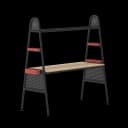
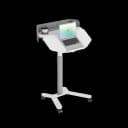
Specialized variations address diverse needs. Drafting desks with tilt mechanisms help architects and designers. They need both sitting-standing options and angled surfaces.
Predicted innovations include:
AI posture coaching
Biometric health tracking
Modular designs
Acoustic dampening
Wireless charging integration
Home office evolution: Hybrid work needs smaller furniture with professional features. This creates a big growth opportunity.
Forecast: 5.22% CAGR through 2031 conservative. Accelerated transformation or health research could push higher.
Our Expertise: Leading Standing Desk Solutions in UAE
Since 2019, Navo® specializes in ergonomic standing desks for Dubai and the GCC. We've outfitted corporate offices, home workspaces, and creative studios across the Emirates.
What sets us apart:
Understanding of UAE workspace evolution
Smart desk technology implementation
Climate-appropriate materials and finishes
Local service supporting business continuity
We don't just follow trends. We help Dubai businesses implement them.
The Future is Standing (and Sitting, and Moving)
Standing desks aren't trends. They're permanent workplace infrastructure reflecting how modern work happens.
The market projection to USD 11.66 billion by 2031 reflects:
Permanent hybrid work adoption
Corporate wellness prioritization
Technology-furniture convergence
Sustainability imperatives
Dubai businesses investing in standing desks today position for tomorrow's workspace demands.
The question isn't whether to adopt standing desks. It's how quickly to implement them.
Need Help Building Your Ergonomic Setup?
We'll guide you to the perfect chair, desk setup, and comfort tips for a productive workday.
Shop Office FurniturePopular Blogs
View all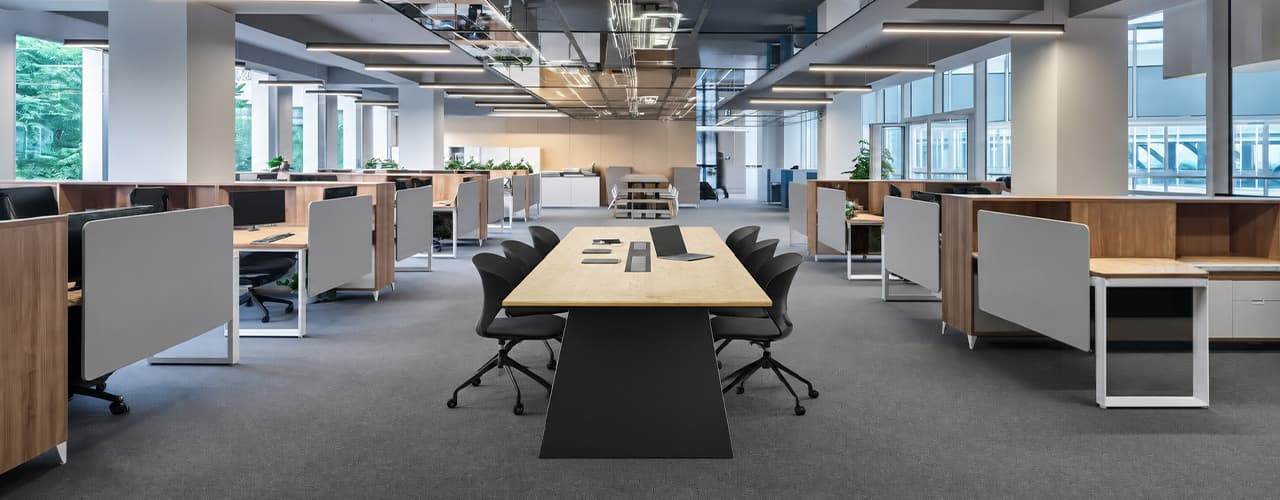
Open Plan vs Cubicle vs Hybrid Office Layout: Which Is Right for You?
The open-plan office was supposed to fix everything the cubicle farm got wrong. It didn't. It created a different set of problems and left people nostalgic for the one thing cubicles did well: quiet. The hybrid layout is positioned as the solution that addresses the shortcomings of both. It might be only if it fits how a specific team works. It shouldn't be a mix of two philosophies that didn’t help the team before. This guide shows what each layout offers and where it falls short. It also helps you choose the best option-or combination-for your office in Dubai or the GCC.
Key Findings
*Global office use is now at 53%, up from 38% in 2024. Also, 69% of teams have over 40% of their staff sharing desks. This shows that 2019 workspace designs don’t fit current needs.
*A Harvard study found that open-plan spaces often lower face-to-face interaction. Instead, they boost digital communication. This is the opposite of what these designs aim for.
*A hybrid model conversion at a 120-person SaaS company restored engineering deployment speed to baseline. It also reduced voluntary turnover in technical roles by 18% over nine months.
*Steelcase research shows that companies improving their work environment boost productivity by 17%.
*In 2026, the most innovative UAE offices aren’t just picking open plans or cubicles. They’re creating “activity neighborhoods.” These are clusters of spaces designed for different work styles.
*No layout is universally right. The best choice depends on your team's work style, industry, hybrid attendance ratio, and specific acoustic needs for your floor.
Sitting isn’t the Enemy, How You Sit Is: How to Align Your Desk for Zero Back Strain
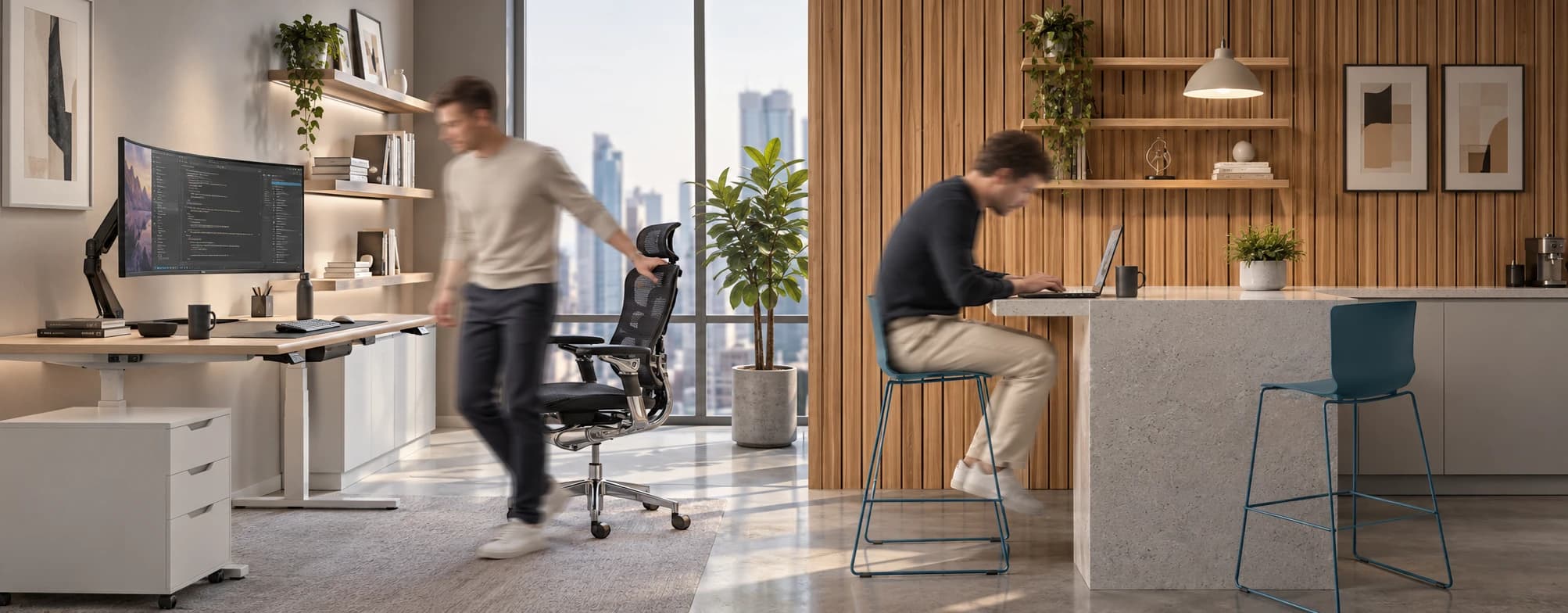
If your job keeps you at a desk for most of the day, you are not alone—and you are not stuck. Software developers and data entry keyers spend 100% of a typical workday seated, while financial managers sit for 94%. Sitting is a standard part of modern work, so the real goal is learning how to reduce its physical impact while staying productive.
What the Research Shows
*Sedentary Volume: Adults in high-income countries spend 11–12 hours daily sitting over 75% of their waking hours (British Journal of Sports Medicine).
*Cardiovascular Risks: Sitting 6–8 hours daily increases cardiovascular event risk by 125% to 150% (Mayo Clinic).
*The 22-Minute Counter: 22 minutes of daily moderate-to-vigorous activity (brisk walking, cycling, active housework) offsets the mortality risk of prolonged sitting (BJSM).
*Micro-Break Impact: 5-minute movement breaks every hour significantly reduce fatigue and improve mood without hurting work performance (2026 BJSM Study).
*Gym Fallacy: A 60-minute workout in the morning does not fully reverse 9 hours of continuous sitting; daily movement breaks are still required.
The Ultimate Office Furniture Setup Checklist for Modern Teams
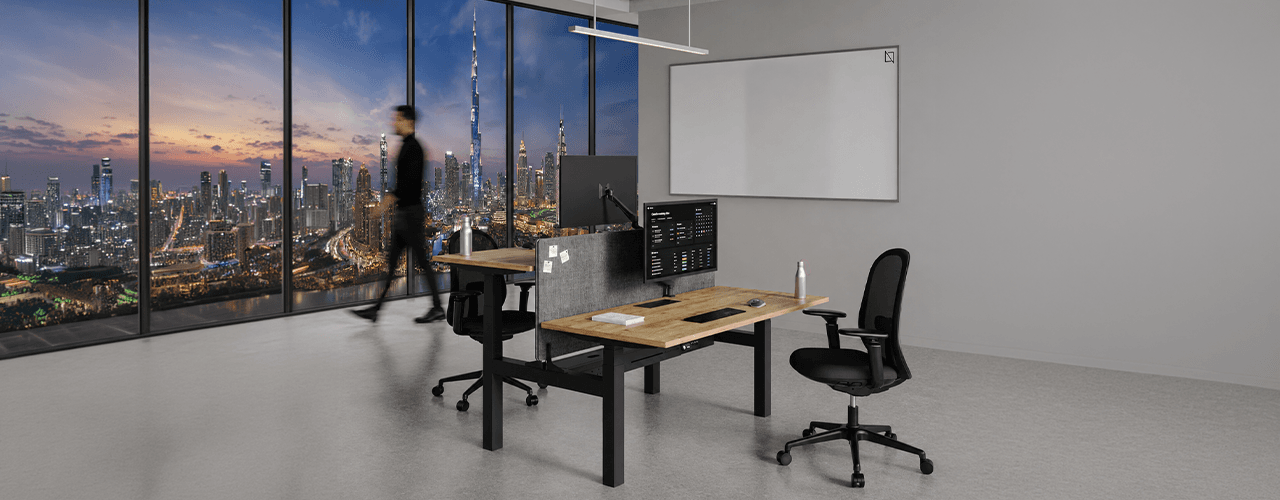
Most offices aren't badly furnished. They're incompletely furnished. A great chair paired with the wrong desk height. A standing desk with no monitor arm. A collaborative floor with no acoustic separation.
The gap is rarely one big thing. It's several small things missing from the same setup at the same time.
This checklist covers every furniture category a modern UAE office needs — what to look for, what to avoid, and what the research says about each. Use it for a new fit-out, an upgrade review, or a department-by-department audit.
Key Findings
*The chair is the top furniture investment for knowledge workers. It has the most contact hours and directly impacts posture, energy, and afternoon performance.
*Fixed desks at 75cm fit about 30–40% of UAE office teams well. Height adjustability isn’t a luxury; it meets everyone’s needs.
*Open-plan offices without acoustic zones can lose employees up to 86 minutes of productive time each day. This is based on workplace productivity research.
*EU-OSHA highlights musculoskeletal disorders as the top workplace health concern worldwide. Poor seating and desk height are key factors.
*CBRE's 2026 Global Workplace Insights reveals that 69% of organizations have over 40% of staff sharing desks. This shift means adjustability is now a standard requirement, not just an upgrade.
*Quality ergonomic chairs last 8–12 years. A BIFMA-certified chair costs less per year when spread over 10 years. This cost is lower than one physiotherapy session for occupational back pain in Dubai.
You x Navo
Feel free to reach out to us for any queries & concerns