

 Visit our Showroom

How the Right Office Furniture Actually Impacts Employee Retention and Productivity
November 17, 2026
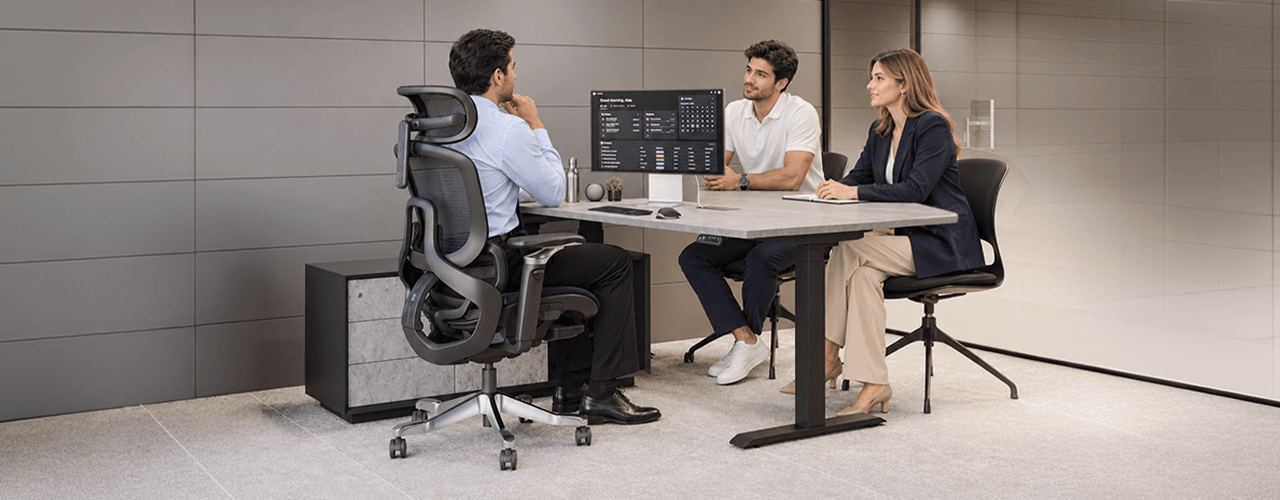
Office furniture rarely appears in a board-level retention conversation. It probably should.
The physical workspace shapes how people feel every day they come to work - how comfortable they are, how easily they can focus, and whether they feel the organisation has invested in them. These things compound quietly. Over months and years, they influence whether talented people stay or look elsewhere.
Key Findings
* A survey by SHRM found employees are 60% more likely to stay in a job where their workspace is ergonomically designed and comfortable.
* Gallup estimates that voluntary turnover costs businesses over $1 trillion annually, making employee retention a measurable financial issue, not just an HR concern.
* A Staples survey found that 90% of workers view a well-designed office as a sign that their employer respects them.
* EU-OSHA identifies musculoskeletal disorders as a major occupational health concern. Poor seating and desk-height mismatches can contribute to these issues.
* Physical discomfort doesn't need to be severe to reduce productivity - sustained low-level discomfort can compete for cognitive resources and affect afternoon performance.
* The furniture decisions with the greatest combined retention and productivity impact are seating, desk height, and acoustic separation - in that order.
Take me to
Does Office Furniture Actually Affect Whether Employees Stay?
Yes - but not through a single dramatic event. Office furniture affects retention through accumulation: daily physical discomfort, the signal the workspace sends about organisational investment, and the friction it creates or removes from everyday work.
A 90% survey result on "well-designed office signals respect" isn't about luxury. It's about signal. The physical workspace tells employees - daily, unconsciously - whether the organisation has thought about their experience. An ergonomic chair that genuinely adjusts says something. A chair that looks ergonomic but has no functional lumbar adjustment says something different.
The SHRM data on 60% higher likelihood of staying in an ergonomically designed workspace is consistent with this picture. Furniture isn't why people stay - it's part of the environment that makes staying easier or harder.
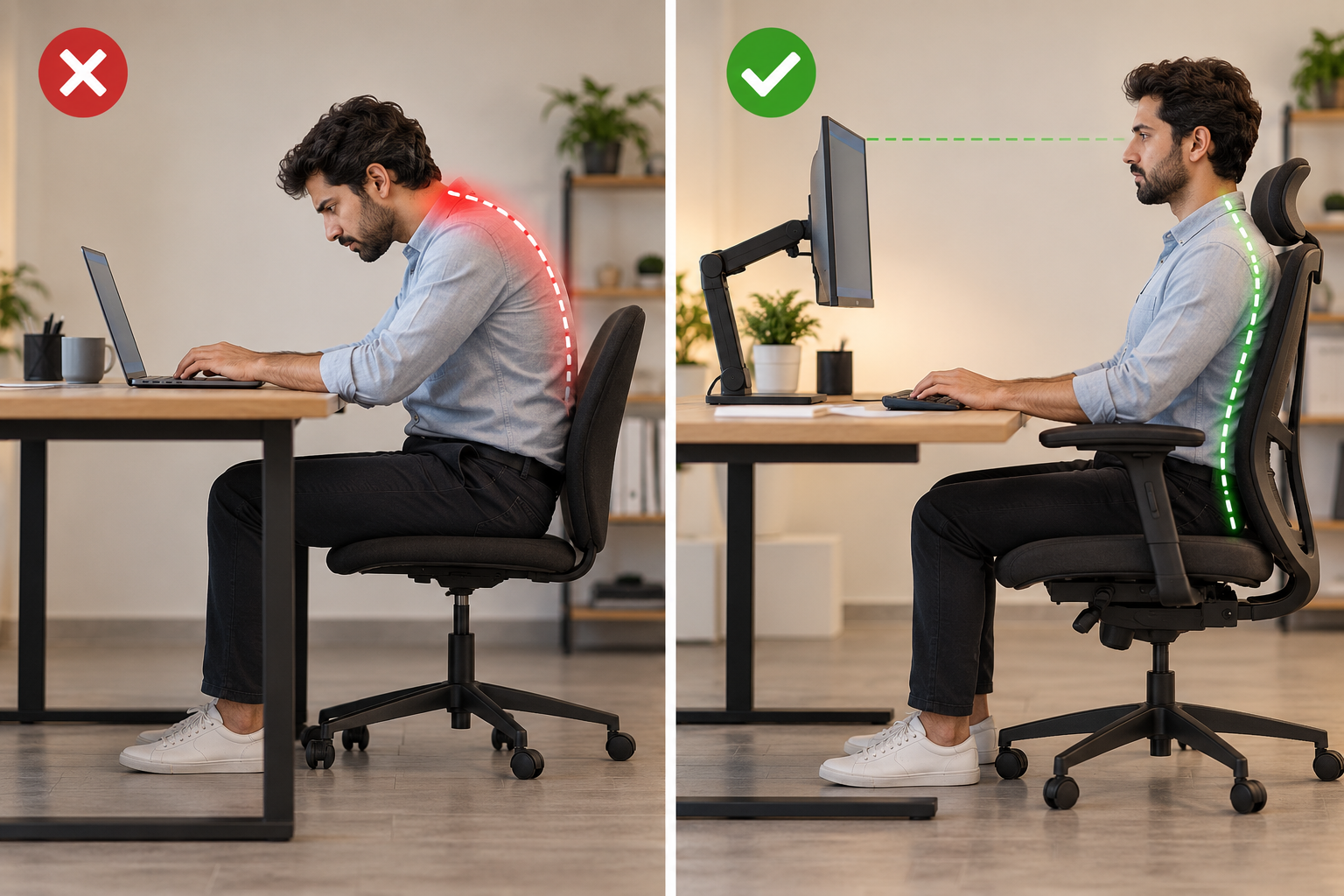
The mechanism is specific. A chair causing sustained back pain creates daily discomfort that accumulates into dissatisfaction. That dissatisfaction gets attributed to many things - management, workload, culture - when the chair is part of the picture the entire time. EU-OSHA research documents this: musculoskeletal disorders from poor workplace ergonomics generate absenteeism, reduced productivity, and in chronic cases, people who leave not because they wanted a different job but because sitting at work had become genuinely painful.
How Does Poor Office Furniture Reduce Productivity?
Poor office furniture reduces productivity through two distinct mechanisms: physical discomfort consuming cognitive capacity, and noise degrading sustained concentration. Both are measurable. Neither requires severe discomfort - low-level sustained discomfort is sufficient to reduce afternoon performance consistently.
On physical discomfort: the body doesn't compartmentalise pain the way we'd like. When someone sits in a chair loading their lower back incorrectly for six hours, that discomfort competes for cognitive resources throughout the afternoon. Research published in the Journal of Occupational and Environmental Medicine found employees using well-designed ergonomic workstations achieved meaningfully higher productivity - the mechanism being reduction of this background physical distraction, not any direct cognitive enhancement.
On noise: open-plan offices without acoustic separation expose knowledge workers to sustained noise that measurably reduces accuracy and task performance. Research in Occupational and Environmental Medicine links sustained noise exposure to elevated cortisol and slower task completion. Workplace productivity research estimates up to 86 minutes of lost productive time daily in poorly managed acoustic environments. In GCC offices managing teams across APAC, European, and US time zones simultaneously, peak call overlap makes this worse than in single-timezone environments.
Both are furniture problems with furniture solutions. Neither requires renovation.
Which Office Furniture Has the Biggest Impact on Employee Wellbeing?
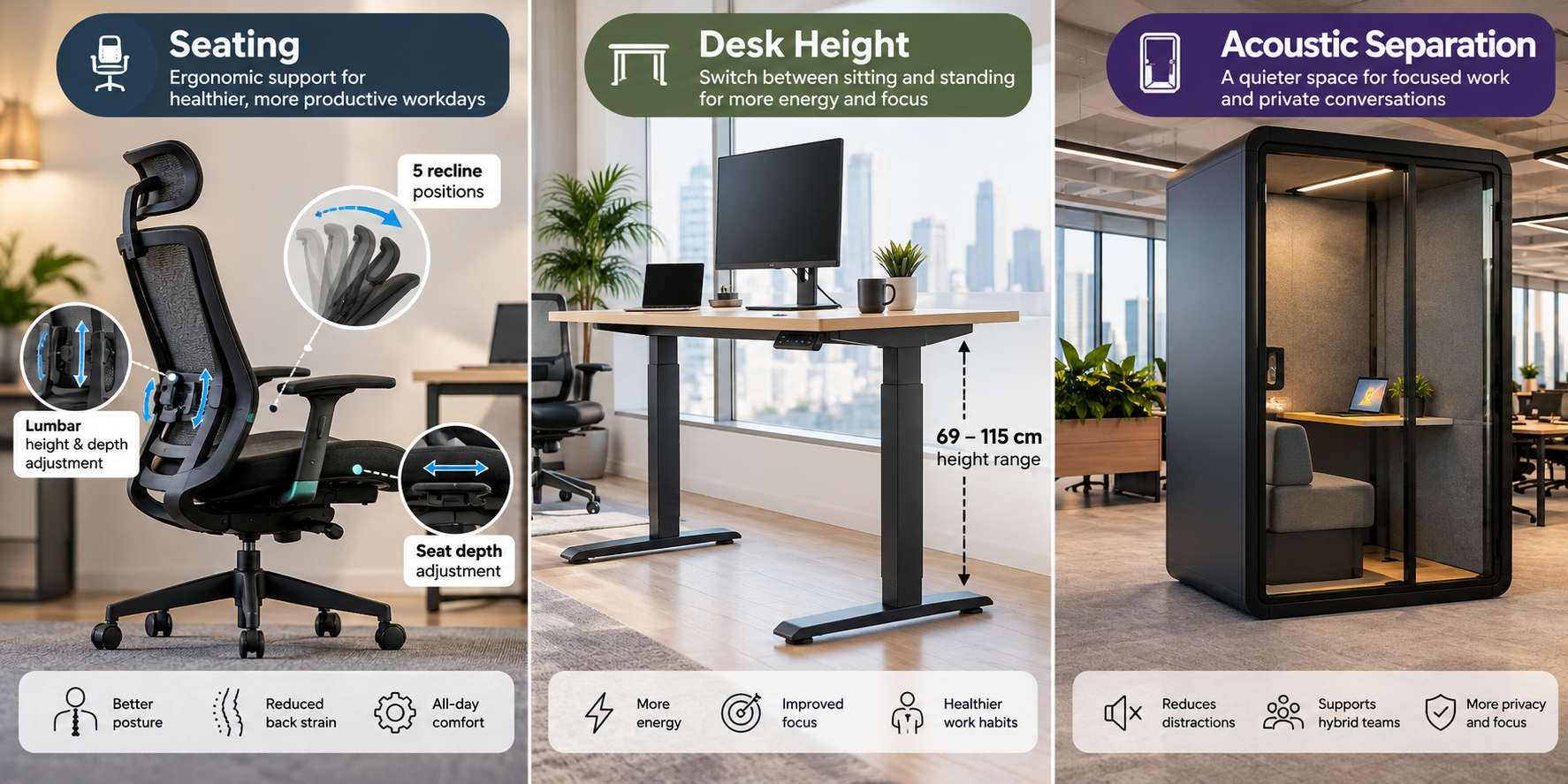
The three furniture categories with the strongest evidence for wellbeing impact are seating, desk height, and acoustic separation - each addressing a different physical mechanism, each with independent research support.
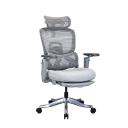
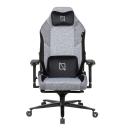
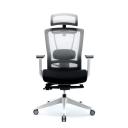
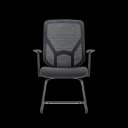
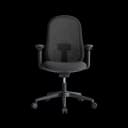
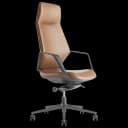
Seating accumulates the most daily contact hours of any furniture item. A chair that genuinely adjusts - lumbar depth and height, seat depth, multi-directional armrests - reduces the postural loading that creates musculoskeletal complaints over months. Our ergonomic chairs - including the HALO Chair (BIFMA-certified, mesh back, 135kg capacity, adjustable lumbar, 5 recline positions) and ErgoMax All Mesh (5D armrests, height-adjustable backrest) - are designed for the sustained professional use that UAE working hours demand. For the full breakdown of what adjustability features actually matter, see our guide to choosing the right ergonomic chair.
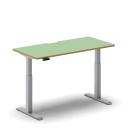
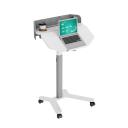
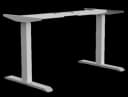
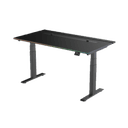
Desk height determines whether the chair can do its job. Standard fixed desks at 75cm are ergonomically correct for approximately 30–40% of a typical UAE international team. Height-adjustable standing desks serve the full range - and the sit-stand alternation they enable is linked by The British Journal of Sports Medicine to reduced back pain, better afternoon energy, and improved blood glucose regulation. The Navodesk PRO (69–115cm, 120kg, dual-motor, Bluetooth app) includes activity reminders that prompt position changes - addressing the behaviour gap that most standing desks don't.
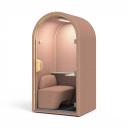
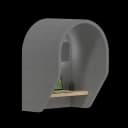
Acoustic separation helps address workplace noise by creating dedicated spaces for focused work, private conversations, and collaborative discussions. Office pods offer a practical way to improve acoustic privacy in open-plan offices, reduce distractions, and support productivity without requiring major structural changes.
What Is the Real Cost of Getting Office Furniture Wrong?
The cost operates at three levels: direct costs (absenteeism, recruitment when people leave), indirect costs (afternoon productivity degradation, reduced output quality from fatigued employees), and signal costs (what the environment communicates to existing staff and candidates).
Voluntary turnover costs over $1 trillion annually globally (Gallup). A proportion is preventable - not entirely through furniture, but partly through the environment it creates.
A BIFMA-certified ergonomic chair lasts 8–12 years. Amortised over that period, the annual cost per employee is typically less than a single physiotherapy session for occupational back pain. The productivity cost of one employee sitting in daily discomfort across an entire quarter is harder to quantify - but it's real and it compounds.
For a practical audit of what your current office is costing you, see our signs your office needs a furniture upgrade guide.
Does Office Furniture Affect How Employees Collaborate?
Yes - through two mechanisms: physical discomfort during meetings shortening collaborative sessions, and inadequate acoustic separation forcing teams into workarounds rather than natural collaboration.
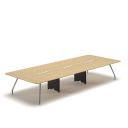
A meeting room where chairs are uncomfortable past 30 minutes systematically shortens collaborative discussions. A floor where acoustic quality is poor for video calls creates the same friction. Neither is difficult to address. Meeting tables sized correctly for the room, appropriate meeting room seating, and acoustic solutions where call volume demands it - these are the furniture decisions that make collaboration work rather than require effort.
The broader layout question - how the floor plan distributes collaborative versus individual zones - is covered in our open plan vs cubicle vs hybrid layout guide.
Frequently Asked Questions
- No - and any claim to the contrary overstates it. Furniture is one variable in a complex retention picture alongside compensation, management quality, career development, and flexibility. What the evidence supports: poor physical workspace creates daily friction that accumulates into dissatisfaction over months. Good furniture removes one significant source of that friction. It doesn't create retention on its own — but its absence reliably contributes to attrition.
- Consistently yes. Research shows candidates form impressions of organisational culture from the physical environment during a site visit. A worn, uncomfortable, or acoustically chaotic office communicates something about organisational investment before a single question is asked — particularly in competitive hiring markets where candidates are evaluating multiple offers at the same time.
Need Help Building Your Ergonomic Setup?
We'll guide you to the perfect chair, desk setup, and comfort tips for a productive workday.
Shop Office FurniturePopular Blogs
View all
Relocating Your Office? A Furniture Planning Checklist
An office relocation is one of the few times a business can reset everything at once. New floor plan. New layout. New specification. The team is already disrupted - use that disruption productively.
Most businesses don't. They move the existing furniture into the new space, recreate the same ergonomic problems in a different postcode, and wonder why the new office feels exactly like the old one within six weeks.
Since 2019, we've been supplying and installing office furniture in the UAE, Saudi Arabia, Qatar, Kuwait, Bahrain, and Oman - coordinating deliveries to new fit-outs, advising on what's worth moving and what isn't, and helping businesses treat a relocation as a genuine reset rather than an expensive shuffle. This checklist is what we'd walk you through.
Key Findings
* The most common office relocation furniture mistake is moving everything from the old space — including furniture that wasn't working ergonomically — rather than using the move as a reset opportunity.
* Lead times in the UAE are product-specific: standard stock chairs arrive in 1–2 weeks; custom-finish standing desks and pods can take 4–8 weeks. Failing to account for this leaves teams working from boxes for weeks after move-in.
* A BIFMA-certified Office chair that is 4–5 years old with all mechanisms functioning is worth moving; foam-compressed, non-adjustable chairs from the same era are not. The distinction is functional condition, not age.
* The new floor plan should drive furniture decisions — not the other way around. Furniture specified before the floor plan is confirmed creates costly changes.
* Freestanding acoustic pods and phone booths are furniture, not construction — but permit requirements depend on the specific installation and local authority rules. Confirm requirements before proceeding.
* An office relocation is the best opportunity to correct ergonomic specification mistakes: desk heights, chair adjustability, monitor positions, and acoustic zoning are all easier to fix at move-in than six months after.

Ergonomic Furniture Meets Gaming & Education: Highlights from the University of Wollongong Event
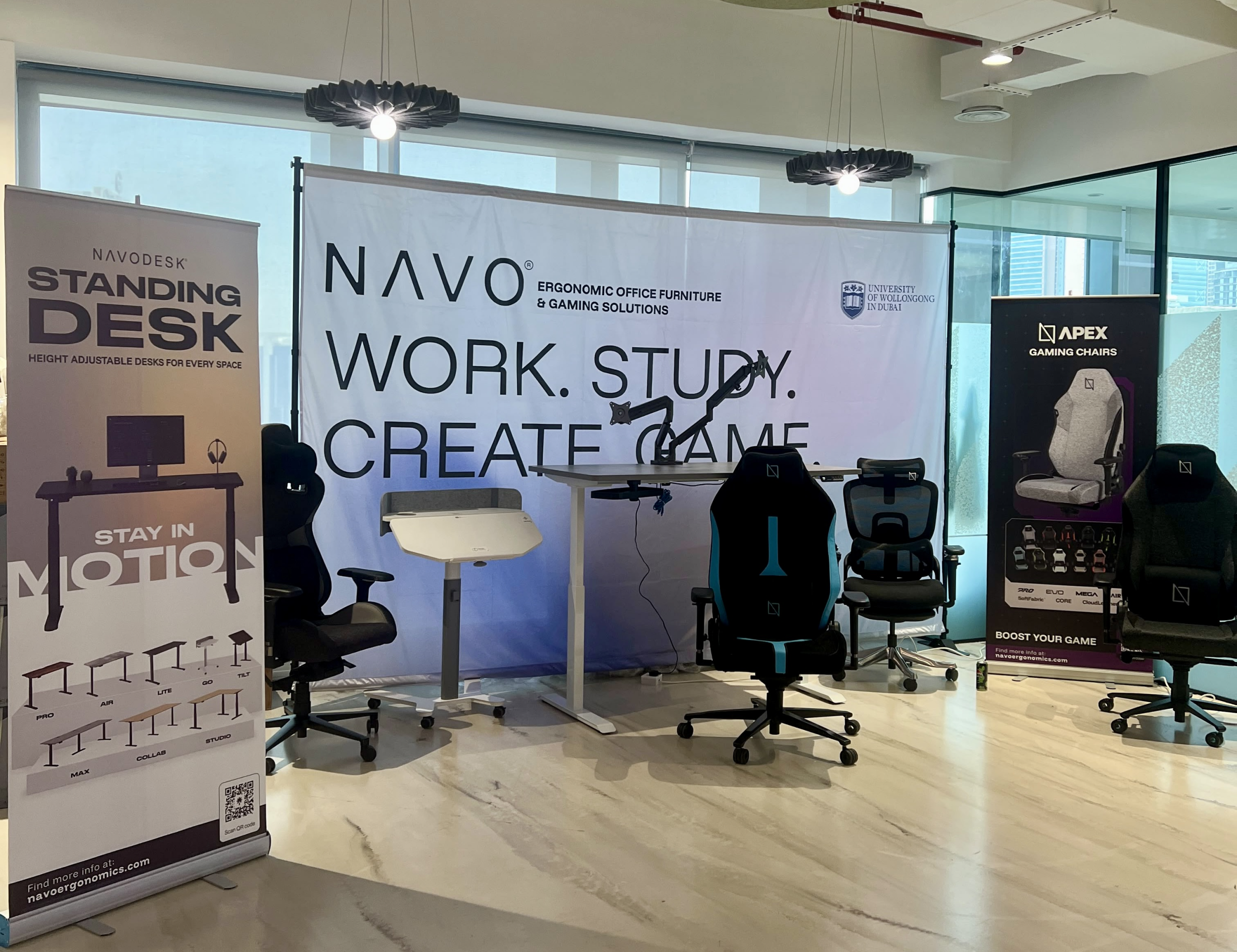
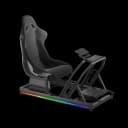
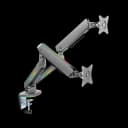
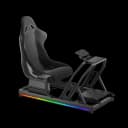
The tournament attracted over 70 participants, including avid gamers and curious onlookers. Our display featured gaming desks, chairs, and ergonomic accessories such as monitor arms. Students could compete in exciting gaming matches while experiencing our products firsthand.
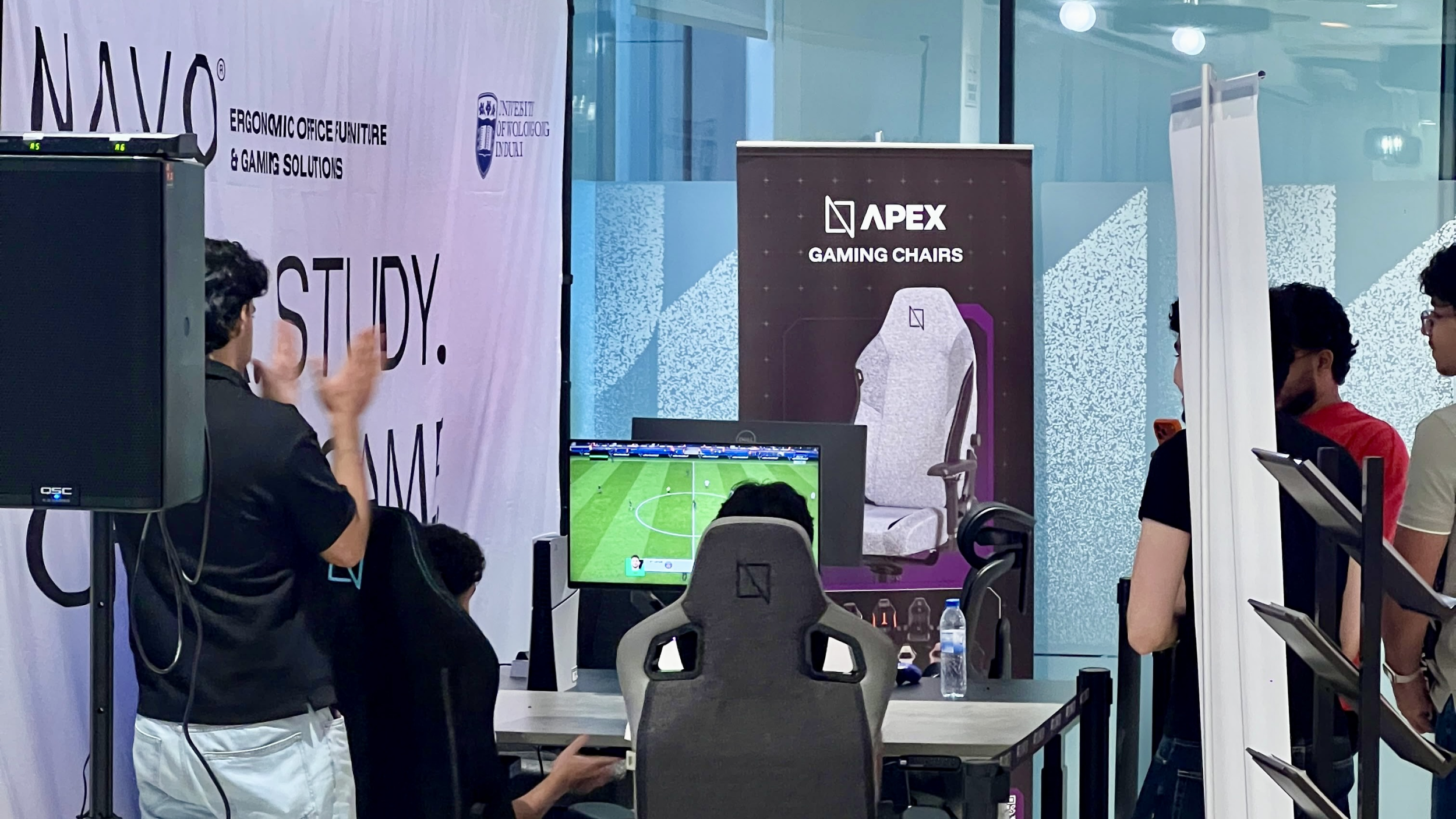
One of the event's highlights was the opportunity to experience our ergonomic gaming chairs alongside our specially designed ergonomic chairs. Students could compare their comfort, support, and overall seating experience. The feedback was overwhelmingly positive, with many participants noticing differences in posture support and comfort during extended use.
Looking back, we are encouraged by the positive interactions and insights shared by students and faculty. Promoting ergonomic awareness in university environments is a cause we strongly support, and we look forward to continuing our efforts to help create more comfortable and productive spaces for learning, gaming, and work.
Open Plan vs Cubicle vs Hybrid Office Layout: Which Is Right for You?
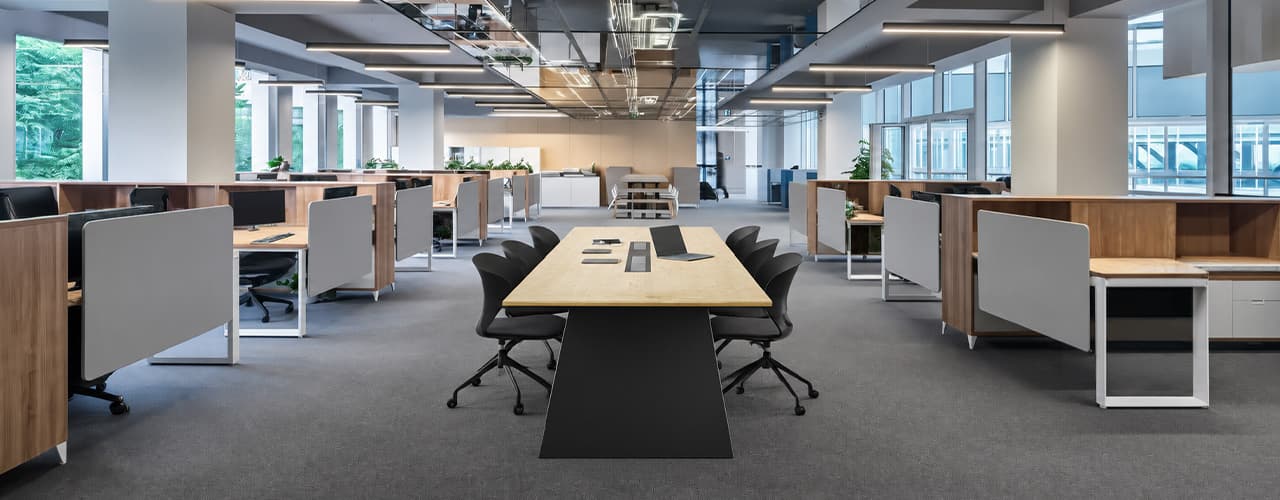
The open-plan office was supposed to fix everything the cubicle farm got wrong. It didn't. It created a different set of problems and left people nostalgic for the one thing cubicles did well: quiet. The hybrid layout is positioned as the solution that addresses the shortcomings of both. It might be only if it fits how a specific team works. It shouldn't be a mix of two philosophies that didn’t help the team before. This guide shows what each layout offers and where it falls short. It also helps you choose the best option-or combination-for your office in Dubai or the GCC.
Key Findings
*Global office use is now at 53%, up from 38% in 2024. Also, 69% of teams have over 40% of their staff sharing desks. This shows that 2019 workspace designs don’t fit current needs.
*A Harvard study found that open-plan spaces often lower face-to-face interaction. Instead, they boost digital communication. This is the opposite of what these designs aim for.
*A hybrid model conversion at a 120-person SaaS company restored engineering deployment speed to baseline. It also reduced voluntary turnover in technical roles by 18% over nine months.
*Steelcase research shows that companies improving their work environment boost productivity by 17%.
*In 2026, the most innovative UAE offices aren’t just picking open plans or cubicles. They’re creating “activity neighborhoods.” These are clusters of spaces designed for different work styles.
*No layout is universally right. The best choice depends on your team's work style, industry, hybrid attendance ratio, and specific acoustic needs for your floor.
You x Navo
Feel free to reach out to us for any queries & concerns