

 Visit our Showroom
The desk you work at shapes your posture, your energy, and your focus. It decides how you move and how long you can stay alert.
Some desks keep you planted. Others let you shift and reset. They give your body a chance to work with you.
Choosing between a standing desk and a traditional desk is more than a design decision. It is a choice about how you work, about comfort, productivity, and endurance.
A standing desk offers motion, energy, and flexibility. A traditional desk gives stability, storage, and simplicity. Both have a place. Both shape your workflow. Both ask for intention.
Standing desk vs. traditional desk is not about style or trends. It’s about function, about how your body feels, how your work flows, and how your day ends.
Take me to
Traditional Office Desk: The Classic Choice
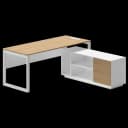
A traditional office desk is what many of us recognize. It has a flat surface, drawers underneath, and space for papers, monitors, and coffee cups. It's solid, stationary, and holds everything in place.
It’s clear: it’s stable for stacking books, files, or even many screens. Storage is built in, with drawers, shelves, and compartments all within reach. Its simplicity makes it predictable; you know where everything goes.
But there are drawbacks. You sit for hours, posture sags, your back complains, and your shoulders tighten. There’s no invitation to move. Limited flexibility exists. Your energy levels don’t change during the day.
A office desk supports routine and order. It’s great for long projects, paperwork, and steady setups. But it requires the body to stay still while the mind pushes through fatigue.
The choice is practical. It works well in familiar workflows and structured spaces. However, it doesn't adapt to your body's needs.
Standing Desk for Office: The Modern Alternative
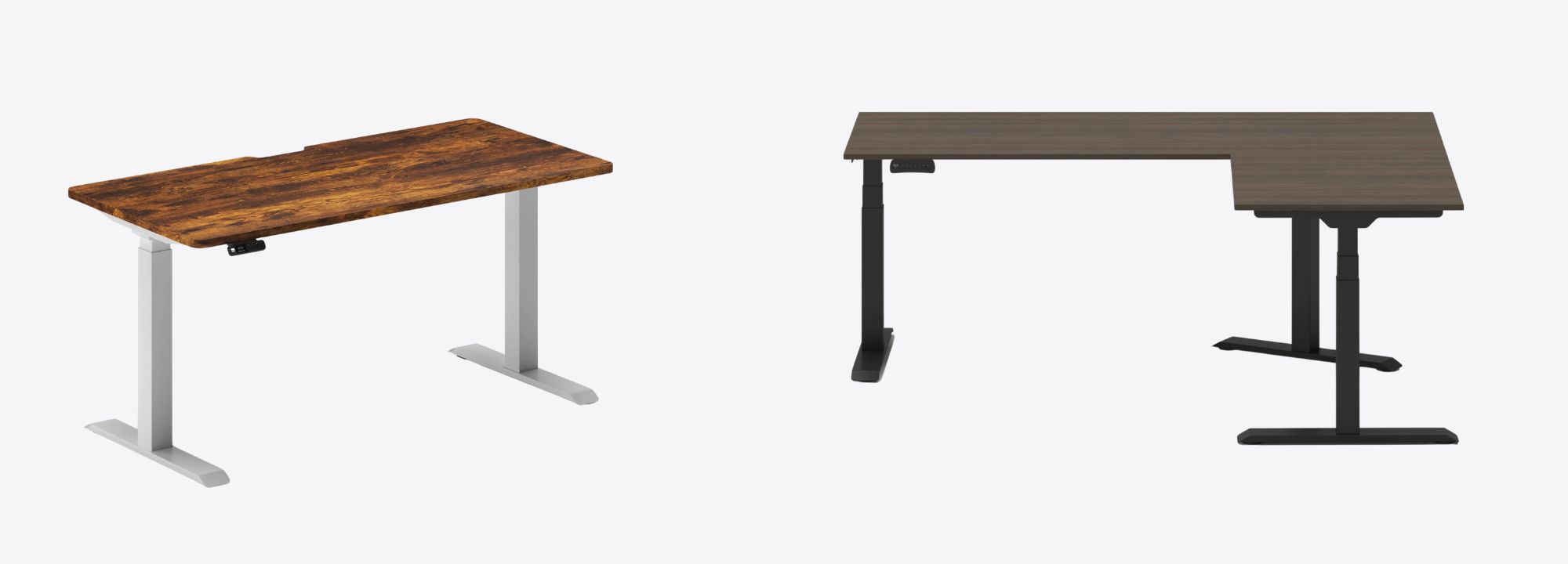
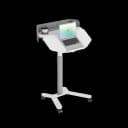
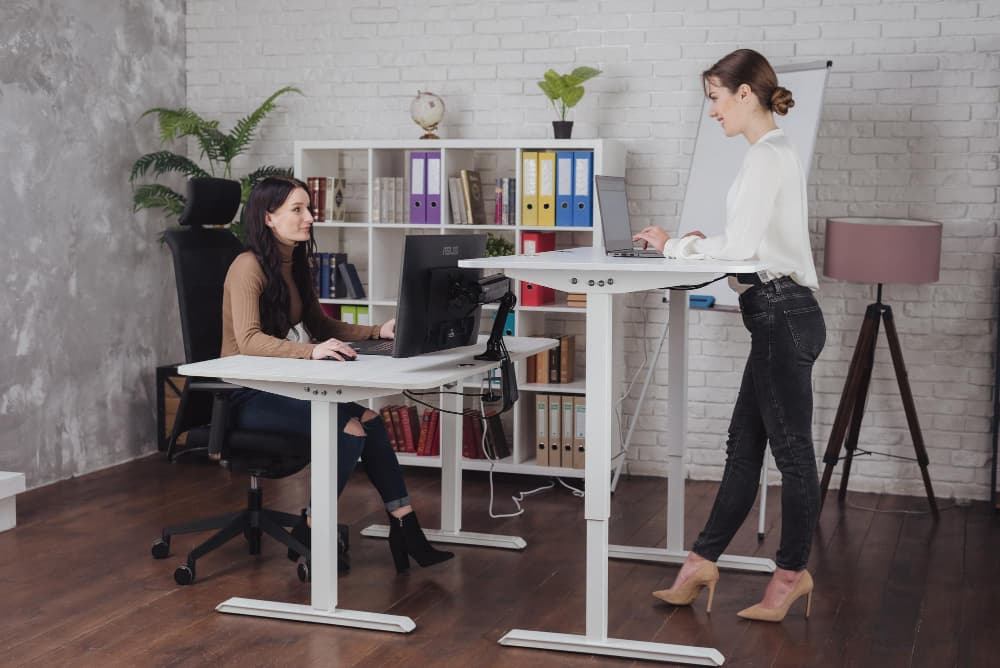
A standing desk for office work changes the rules. It rises. It lowers. You can sit. You can stand. It moves with you. A sit-stand desk gives choice. It asks your body to shift.
The benefits are immediate, though subtle. Posture straightens. Shoulders relax. Blood flows. Energy rises as hours pass. You move without thinking. Flexibility comes naturally. You can adjust the desk to the task, the mood, or the meeting.
A standing desk invites awareness. It reminds you that work is not just at the desk. It is with the body. With every adjustment, posture, and step, it changes the day.
To know more, read Benefits, Myths, and Uses of Sit-Stand Desks
Sit-Stand Desk Comparison: Key Differences
Choosing between a standing desk vs traditional desk is more than a preference. It changes how you work, how you move, and how your body feels. Here’s a clear sit-stand desk comparison:
How to Choose the Right Desk for Your Workflow?
Checklist to simplify your choice:
Work style: do you sit, stand, or both?
Space: how much room do you have?
Budget: what will give durability and comfort without overspending?
Health: does it support your posture and prevent strain?
Your desk holds more than papers and screens. It holds your posture, your focus, and your energy. Every movement starts and ends here. Choosing a desk is choosing how you work.
Think about how you move during the day. Do you stay seated for hours or shift between tasks? A standing desk for office can break long hours. It wakes the body. It keeps blood flowing. A traditional office desk keeps things steady. It holds monitors, files, and coffee cups. It keeps you grounded.
Measure your space. A large desk in a small room crowds the legs. A compact desk leaves room to breathe. Desk setup for workflow is about more than size. It is about flow. Every inch matters.
Consider budget. The best desk for productivity balances cost with comfort. Durable surfaces, smooth edges, and solid frames matter more than fancy designs. Look for ergonomic desk solutions that protect your body.
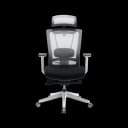
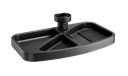
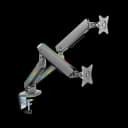
Combine it with what supports you. An ergonomic chair, monitor arms, or a keyboard tray are not extras. They are part of the system. They make the desk work for you, not against you.
In Conclusion
The desk you choose shapes your work, your posture, and your day.
A traditional office desk holds your tools and keeps you steady.
A standing desk for office moves with you.
The choice is not just style. It is about focus, energy, and comfort. A sit-stand desk comparison shows trade-offs. Stability versus flexibility. Simplicity versus movement. Cost versus health.
Test before you buy. Adjust, shift, and feel the difference. The right desk fits your workflow, supports your body, and makes work easier. It is more than furniture. It is a tool for performance.
Choosing the right desk is part of desk setup for workflow. It is part of best desk for productivity. It is part of ergonomic desk solutions that keep you moving, alert, and strong.
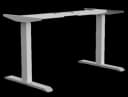
Explore a wide range of standing desks from Navo Ergonomics.
Need Help Building Your Ergonomic Setup?
We'll guide you to the perfect chair, desk setup, and comfort tips for a productive workday.
Shop Office FurniturePopular Blogs
View all
Ergonomic Furniture Meets Gaming & Education: Highlights from the University of Wollongong Event
We recently had the pleasure of hosting a gaming event at the University of Wollongong that combined competitive gaming with an opportunity to explore the importance of ergonomic furniture in gaming and educational environments. Our goal was to demonstrate how ergonomic products can support comfort and performance, enhancing the way students experience gaming and learning.
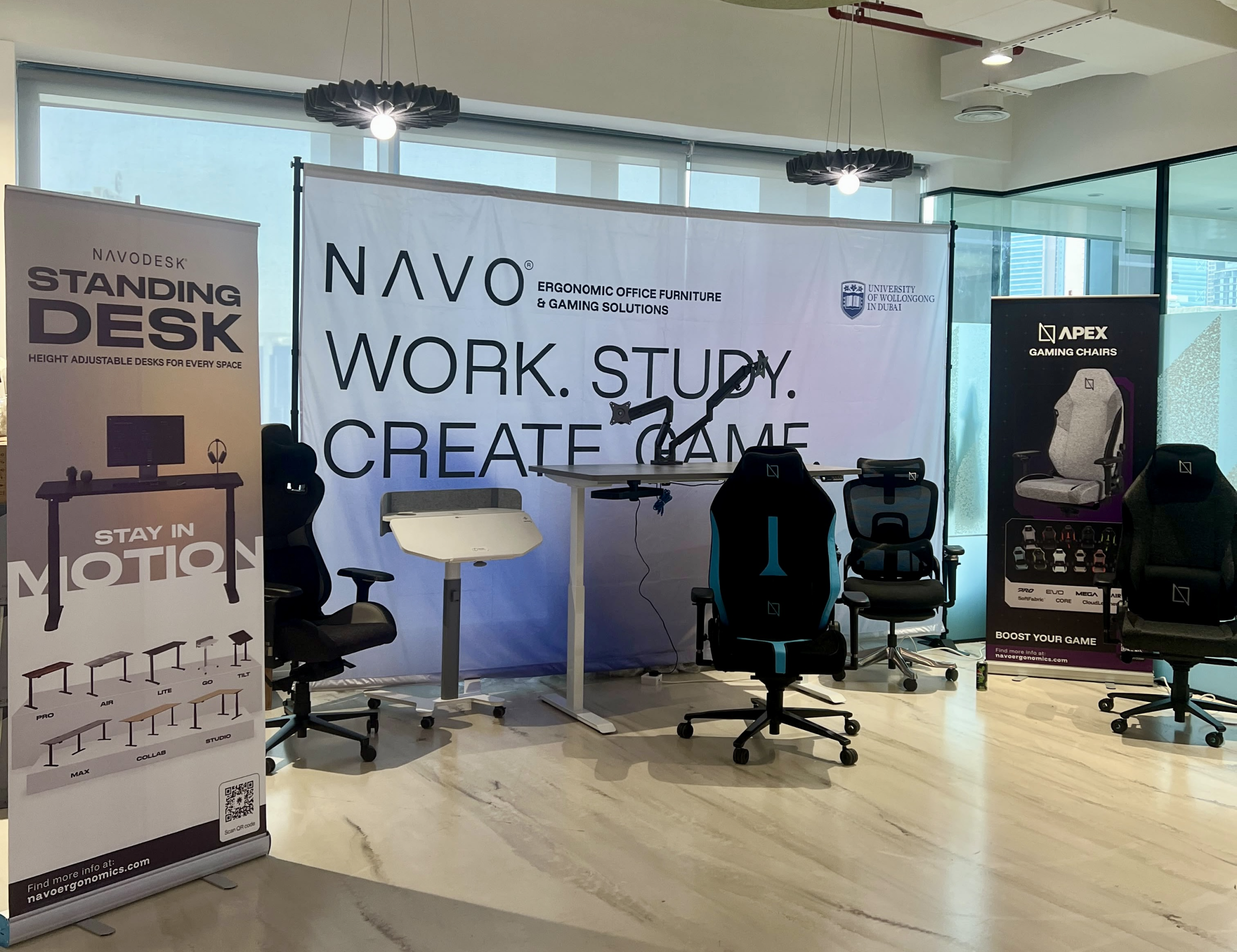
The tournament attracted over 70 participants, including avid gamers and curious onlookers. Our display featured gaming desks, chairs, and ergonomic accessories such as monitor arms. Students could compete in exciting gaming matches while experiencing our products firsthand.
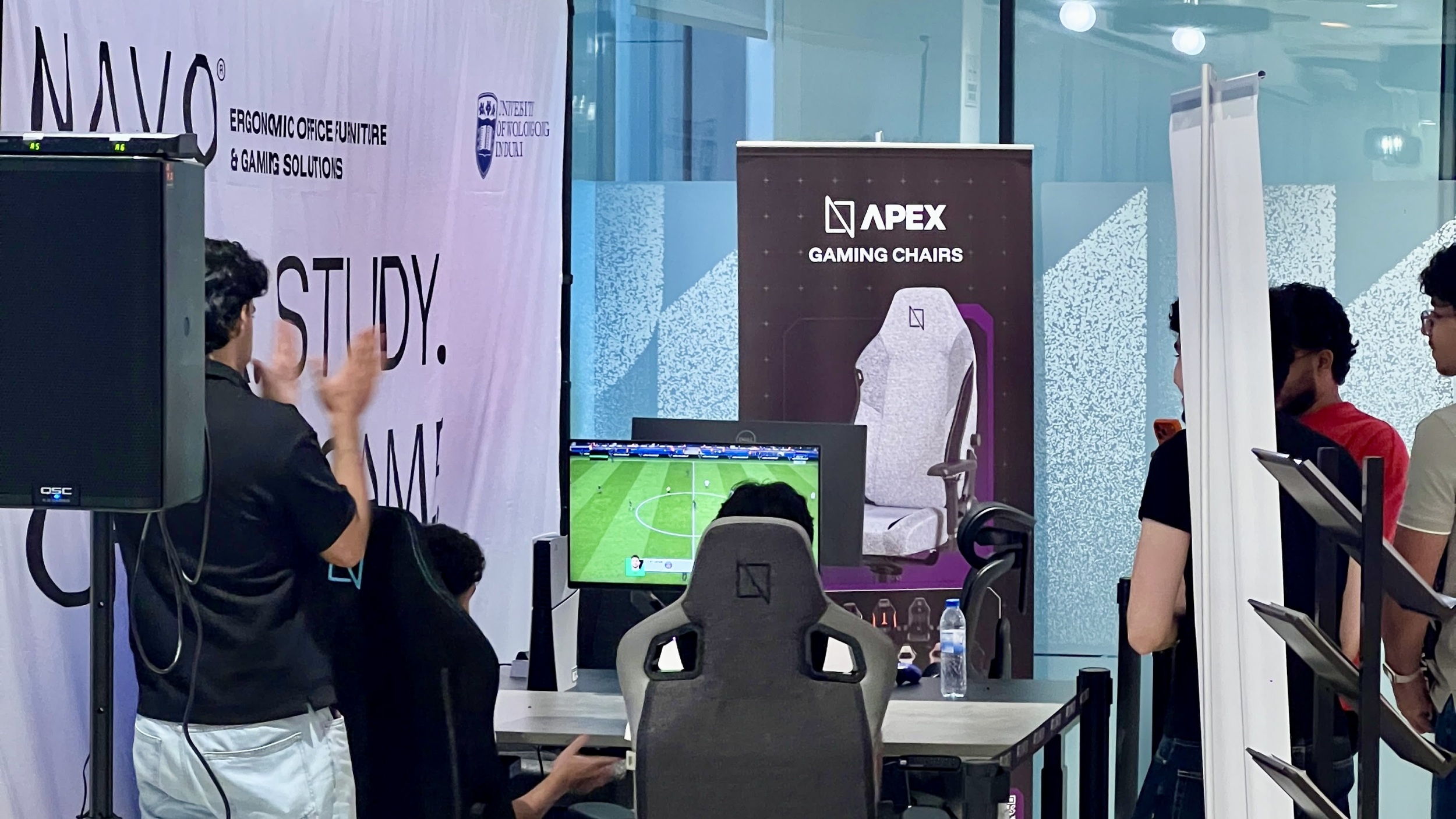
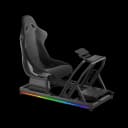
One of the event's highlights was the opportunity to experience our ergonomic gaming chairs alongside our specially designed ergonomic chairs. Students could compare their comfort, support, and overall seating experience. The feedback was overwhelmingly positive, with many participants noticing differences in posture support and comfort during extended use.
The excitement extended beyond the students, with faculty members also showing interest in our products. Professors and educators often spend long hours teaching, making ergonomic solutions a valuable consideration for classrooms and other educational spaces. It was encouraging to see faculty members explore how ergonomic furniture could support their everyday work.
The event provided a valuable opportunity to showcase NAVO's commitment to ergonomic solutions for both gaming and education. We aim to encourage greater awareness of workplace and study ergonomics, helping students and faculty create comfortable environments that support productivity while reducing physical strain.
Looking back, we are encouraged by the positive interactions and insights shared by students and faculty. Promoting ergonomic awareness in university environments is a cause we strongly support, and we look forward to continuing our efforts to help create more comfortable and productive spaces for learning, gaming, and work.
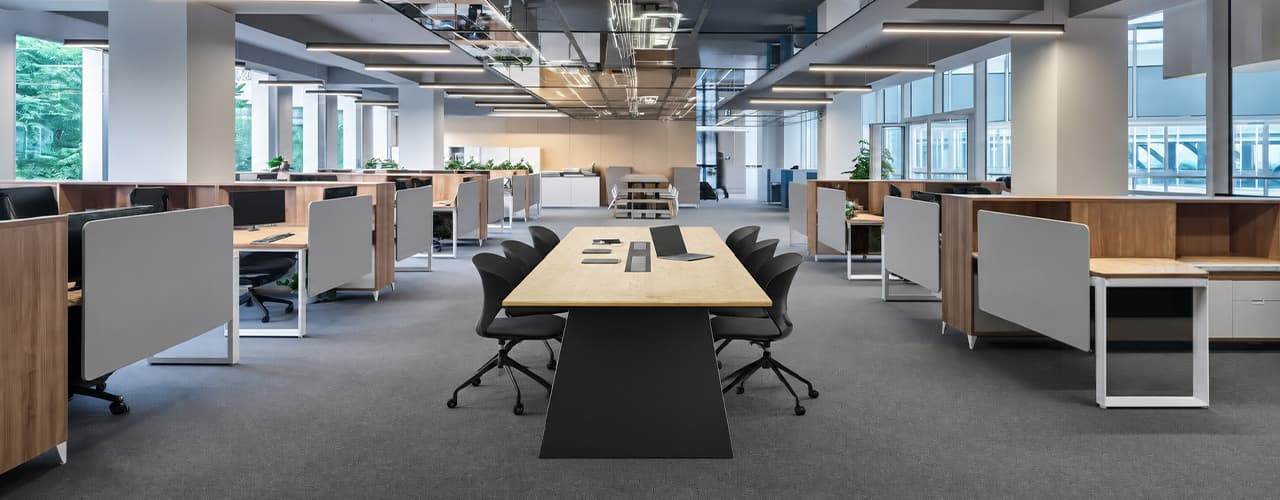
Open Plan vs Cubicle vs Hybrid Office Layout: Which Is Right for You?
The open-plan office was supposed to fix everything the cubicle farm got wrong. It didn't. It created a different set of problems and left people nostalgic for the one thing cubicles did well: quiet. The hybrid layout is positioned as the solution that addresses the shortcomings of both. It might be only if it fits how a specific team works. It shouldn't be a mix of two philosophies that didn’t help the team before. This guide shows what each layout offers and where it falls short. It also helps you choose the best option-or combination-for your office in Dubai or the GCC.
Key Findings
*Global office use is now at 53%, up from 38% in 2024. Also, 69% of teams have over 40% of their staff sharing desks. This shows that 2019 workspace designs don’t fit current needs.
*A Harvard study found that open-plan spaces often lower face-to-face interaction. Instead, they boost digital communication. This is the opposite of what these designs aim for.
*A hybrid model conversion at a 120-person SaaS company restored engineering deployment speed to baseline. It also reduced voluntary turnover in technical roles by 18% over nine months.
*Steelcase research shows that companies improving their work environment boost productivity by 17%.
*In 2026, the most innovative UAE offices aren’t just picking open plans or cubicles. They’re creating “activity neighborhoods.” These are clusters of spaces designed for different work styles.
*No layout is universally right. The best choice depends on your team's work style, industry, hybrid attendance ratio, and specific acoustic needs for your floor.
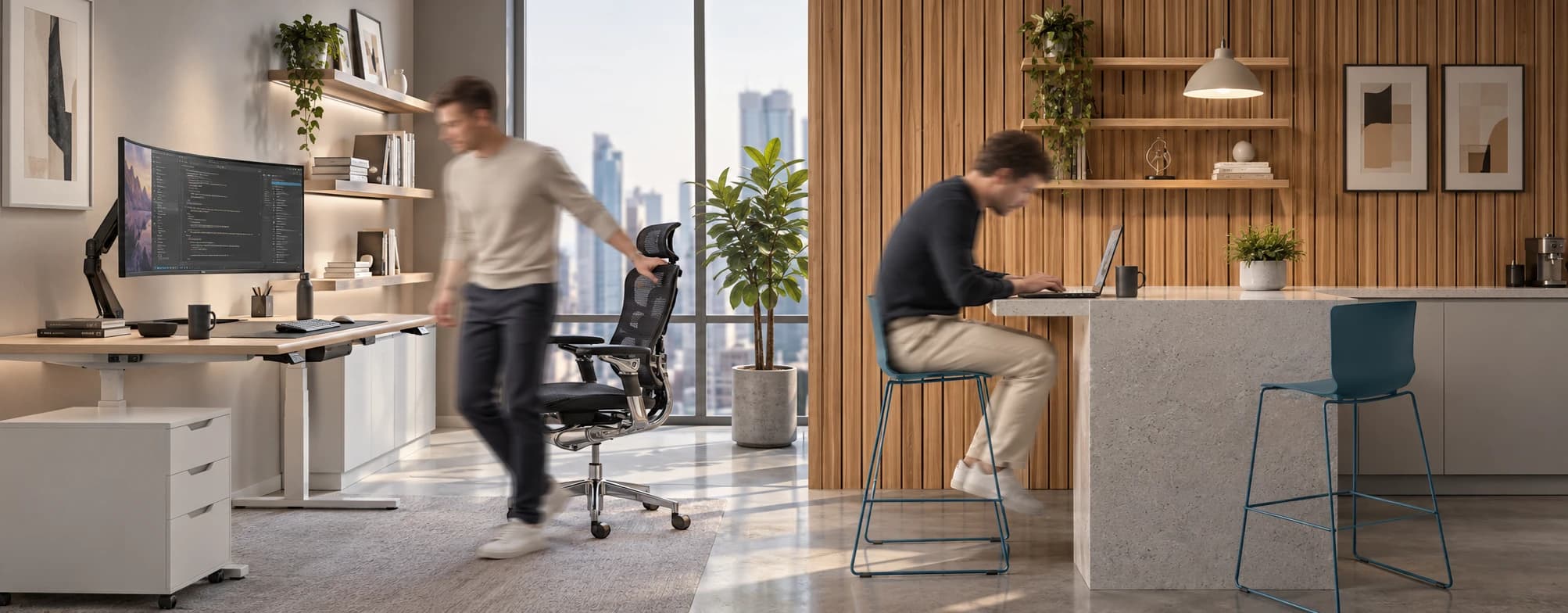
Sitting isn’t the Enemy, How You Sit Is: How to Align Your Desk for Zero Back Strain
If your job keeps you at a desk for most of the day, you are not alone—and you are not stuck. Software developers and data entry keyers spend 100% of a typical workday seated, while financial managers sit for 94%. Sitting is a standard part of modern work, so the real goal is learning how to reduce its physical impact while staying productive.
What the Research Shows
*Sedentary Volume: Adults in high-income countries spend 11–12 hours daily sitting over 75% of their waking hours (British Journal of Sports Medicine).
*Cardiovascular Risks: Sitting 6–8 hours daily increases cardiovascular event risk by 125% to 150% (Mayo Clinic).
*The 22-Minute Counter: 22 minutes of daily moderate-to-vigorous activity (brisk walking, cycling, active housework) offsets the mortality risk of prolonged sitting (BJSM).
*Micro-Break Impact: 5-minute movement breaks every hour significantly reduce fatigue and improve mood without hurting work performance (2026 BJSM Study).
*Gym Fallacy: A 60-minute workout in the morning does not fully reverse 9 hours of continuous sitting; daily movement breaks are still required.
You x Navo
Feel free to reach out to us for any queries & concerns