

 Visit our Showroom
Take me to
What Does Research Say About Ergonomic Chair ROI?
Research published in the Journal of Occupational and Environmental Medicine found employees using well-designed workstations with proper training achieved up to 17.7% higher productivity. A comprehensive systematic review of ergonomics research from 2012–2022 consistently linked ergonomic chairs to reduced discomfort, improved posture, and enhanced job performance.
The productivity mechanism is well-established: physical discomfort competes for cognitive resources. Research from Buro Seating found that prolonged sitting in non-supportive postures increases muscle fatigue, which is associated with slower reactions, reduced accuracy, and higher error rates later in the day.
The ergonomic chair market is projected to reach approximately USD 21.2 billion by 2031 (Transparency Market Research) - a growth rate reflecting corporate recognition of chairs as productivity infrastructure, not furniture.
For Dubai and GCC organisations where knowledge workers sit 8–10 hours across international time zones, the afternoon performance degradation from poor seating is a direct operational cost.
What Ergonomic Chair Features Justify the Investment?
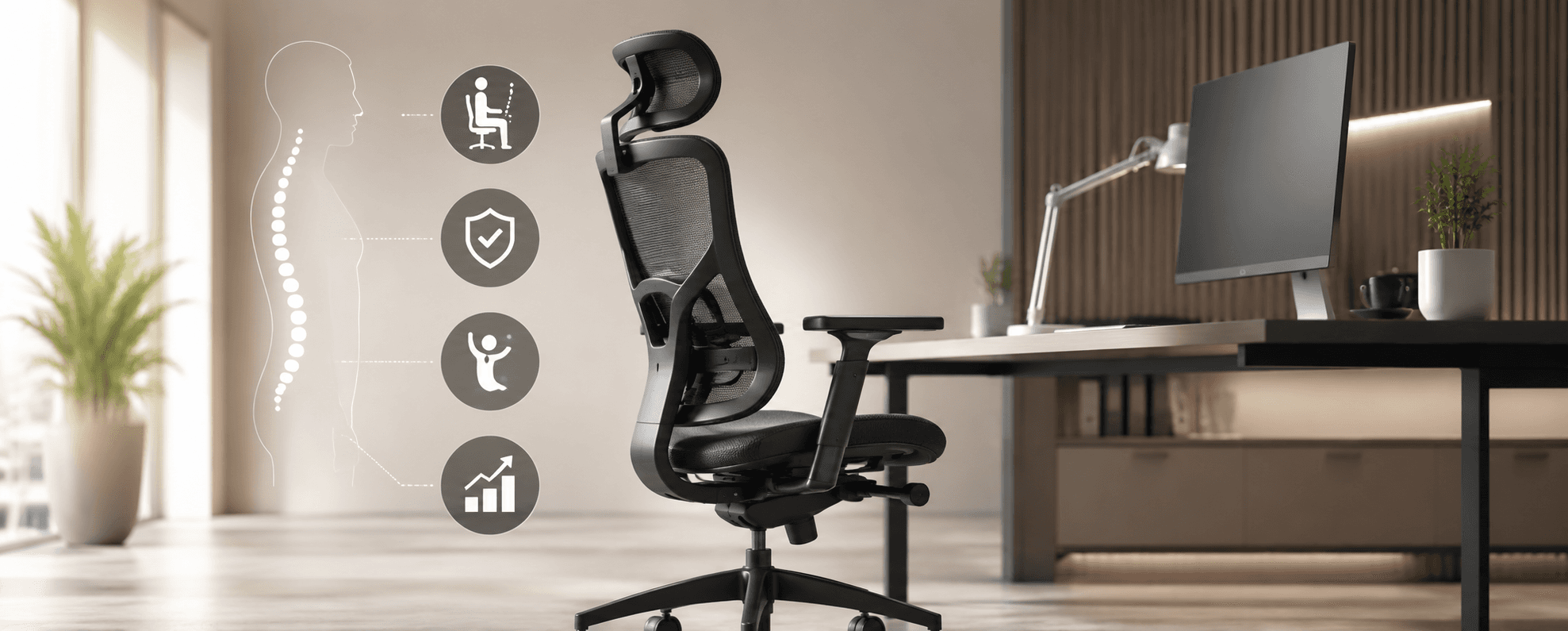
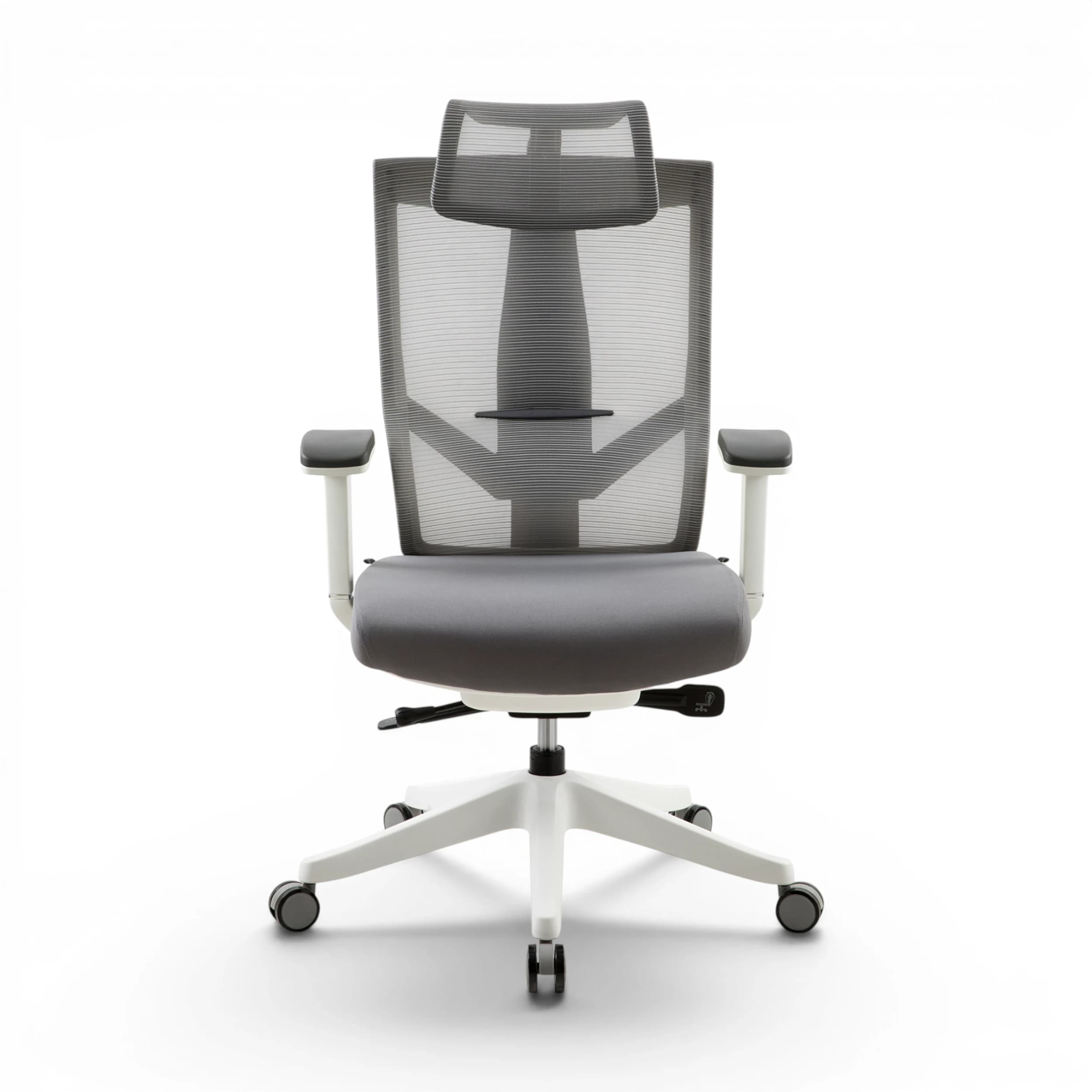
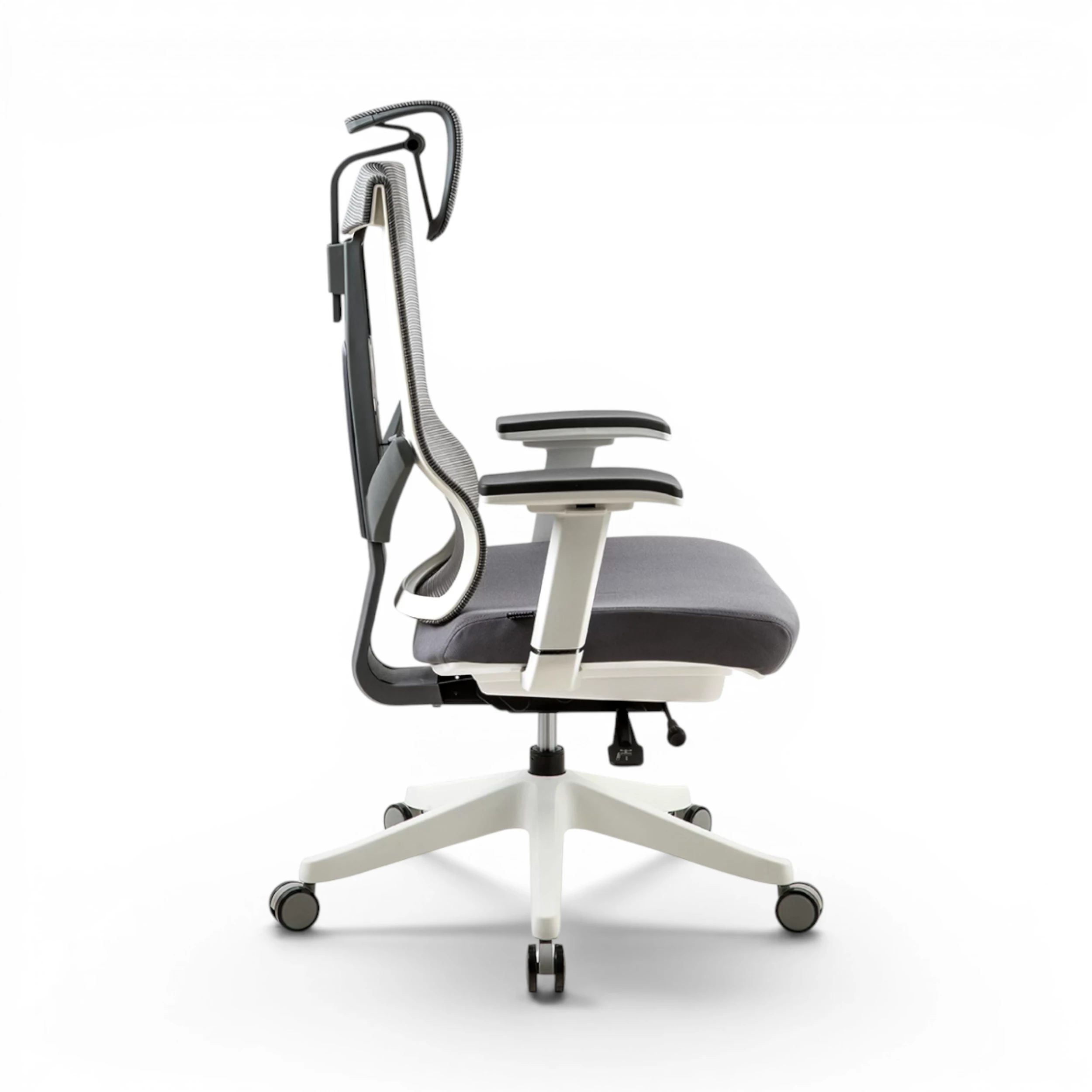
Five chair features that justify price premium:
(1) BIFMA certification - independently tested for structural integrity and load-bearing, not self-certified,
(2) adjustable lumbar depth AND height - functional spinal support vs decorative feature,
(3) seat depth adjustment - proper thigh support and knee clearance,
(4) multi-directional armrests - reduces shoulder and neck strain,
(5) durable materials - maintains support over years, not months.
BIFMA G1-2013 specifies minimum ergonomic requirements including seat height range, lumbar support specifications, and adjustment system durability testing. A chair meeting this standard has been objectively verified - not just marketed.
How Long Do Quality Ergonomic Chairs Last Compared to Budget Options?
Quality ergonomic chairs (BIFMA-certified, quality mechanisms) typically last 10–12 years with proper maintenance (Ergo Shoppe research). Budget chairs at AED 200–400 typically last 1–3 years before foam compression and mechanism failure. Over 10 years, a quality AED 1,500–2,500 chair costs AED 150–250/year vs AED 800–1,200/year for budget replacements - before accounting for lost productivity.
The ANSI/BIFMA X5.1 standard tests office chairs for structural adequacy through specific procedures including tilt mechanism testing (cycling recline hundreds of thousands of times under load) and drop tests simulating impact. A chair meeting this standard has been verified for longevity that the test cycle simulates years of heavy use.
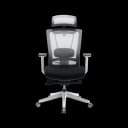
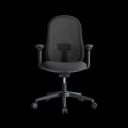
HALO, ErgoMax, AERO, and NANO chairs from Navo are all BIFMA-certified - meaning each has passed these structural tests, not just met a price point.
As we detail in our ergonomic office furniture in Dubai guide, the right framing is total cost of ownership over 5–10 years, not purchase price alone.
Why Is Ergonomic Seating Particularly Important in UAE Offices?
UAE office professionals typically work 8–10 hours daily with international time zone coverage extending to 12-hour active periods for some roles. This duration makes the performance degradation from poor seating more costly than in shorter-hour environments. Additionally, Dubai's international workforce - from 155cm to 200cm height range across team members - makes adjustable ergonomic chairs necessary for shared or hot-desk environments.
Combined with Gulf climate considerations (breathable materials essential even in AC offices), the UAE context makes BIFMA-certified mesh ergonomic chairs the appropriate specification for most professional workstations - not an optional upgrade.
Browse: Ergonomic Chairs | HALO Chair | ErgoMax All Mesh | Office Furniture UAE
Frequently Asked Questions
- Ergonomic chairs support the natural curve of the spine, reducing slouching and strain. They promote proper alignment of the back, neck, and shoulders, which can prevent discomfort and long-term issues. Adjustable features allow customization to individual body shapes, enhancing comfort. This all contributes to better posture and overall musculoskeletal health.
- Ergonomic office chairs improve comfort, productivity, and overall health by supporting good posture and reducing back pain. They enhance comfort with customized support, increase productivity by minimizing discomfort, and offer long-term health benefits by preventing chronic conditions. Additionally, they contribute to employee satisfaction and cost savings by reducing work-related injuries and associated costs.
- Ergonomic office chairs can range from around AED 370 to over AED 3,670 depending on the brand, features, and materials. Mid-range options typically cost between AED 735 and AED 2,200, offering a balance of comfort and functionality. High-end models, which provide advanced adjustability and premium materials, can exceed AED 3,670.
Need Help Building Your Ergonomic Setup?
We'll guide you to the perfect chair, desk setup, and comfort tips for a productive workday.
Shop Office FurnitureBest Ergonomic Chairs.
Comfortable, adjustable, and supportive office chairs.
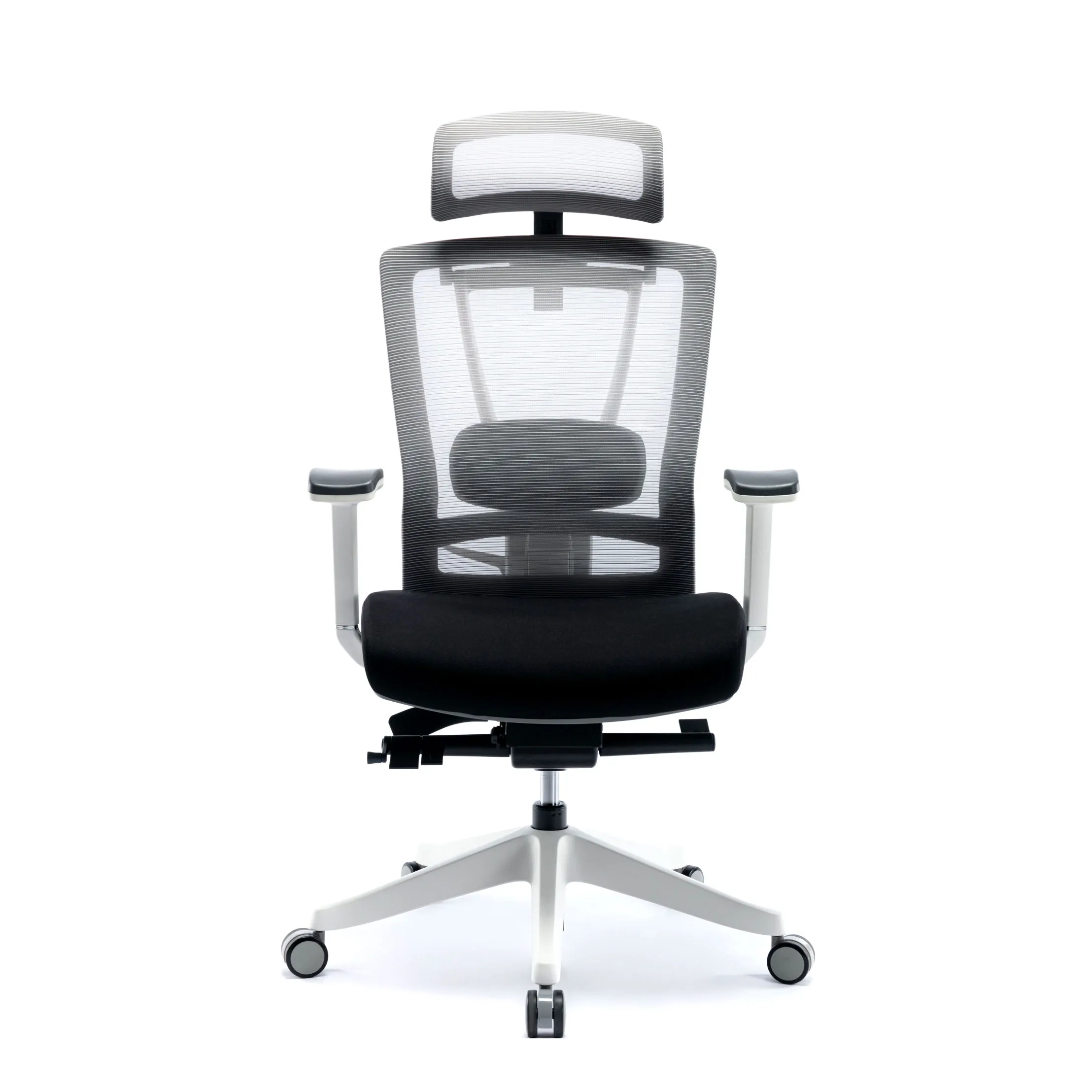
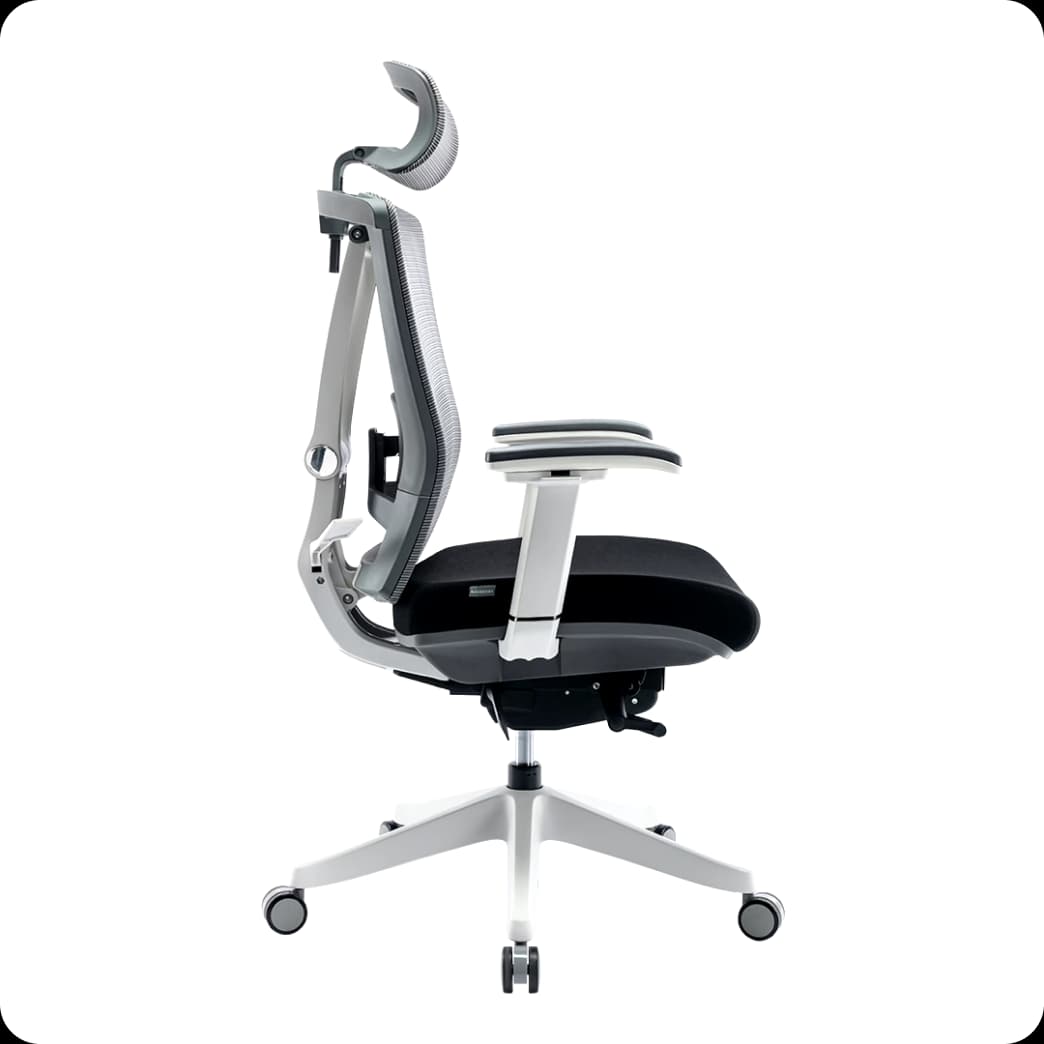
 1,290
1,290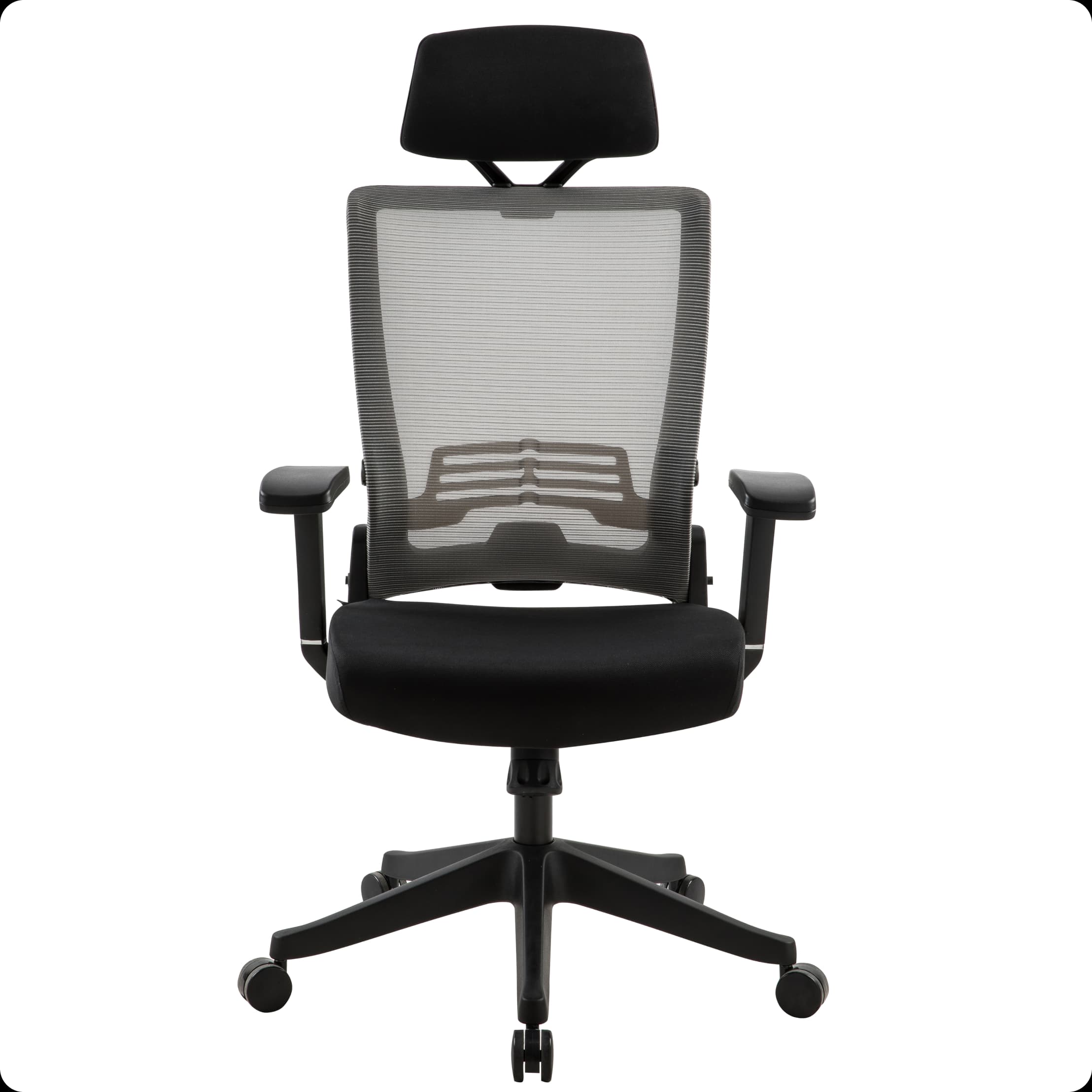
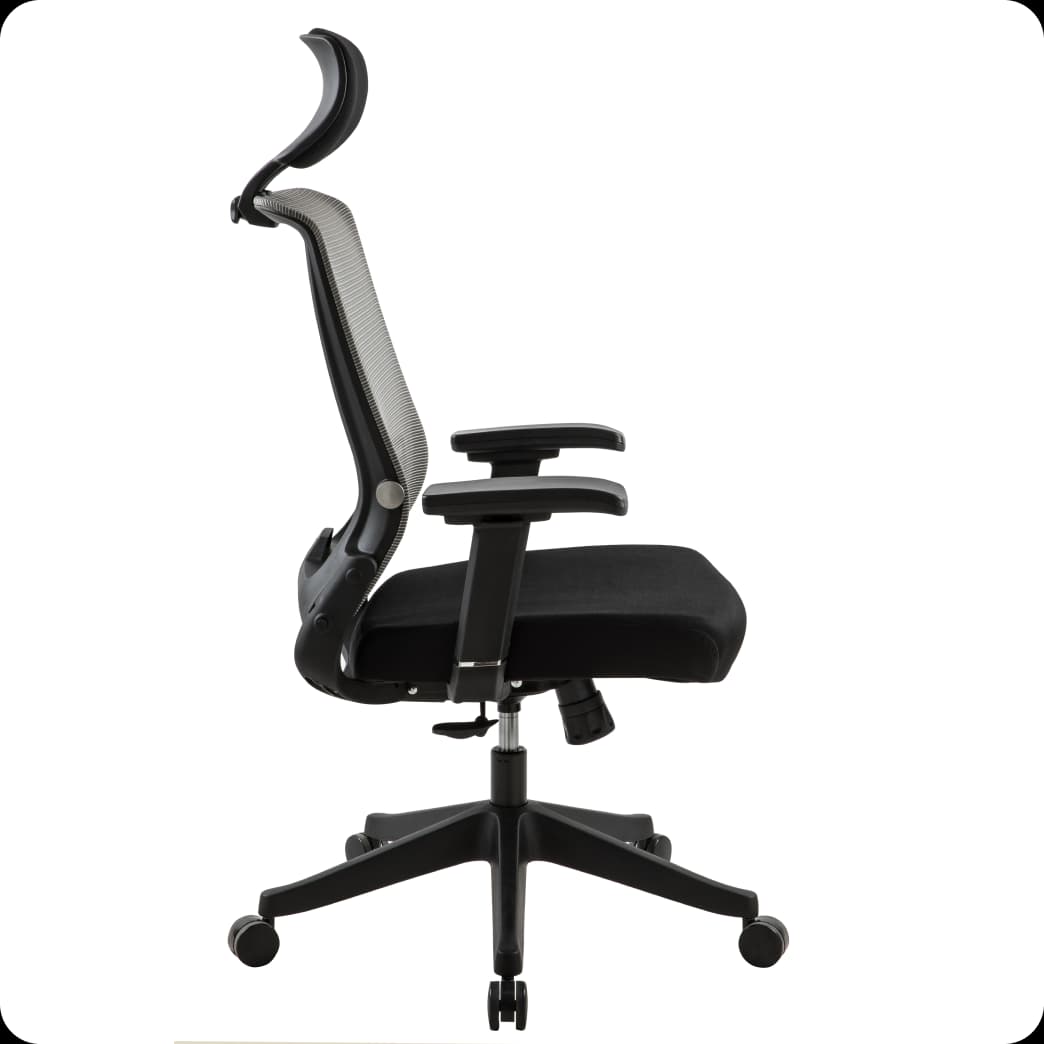

Popular Blogs
View all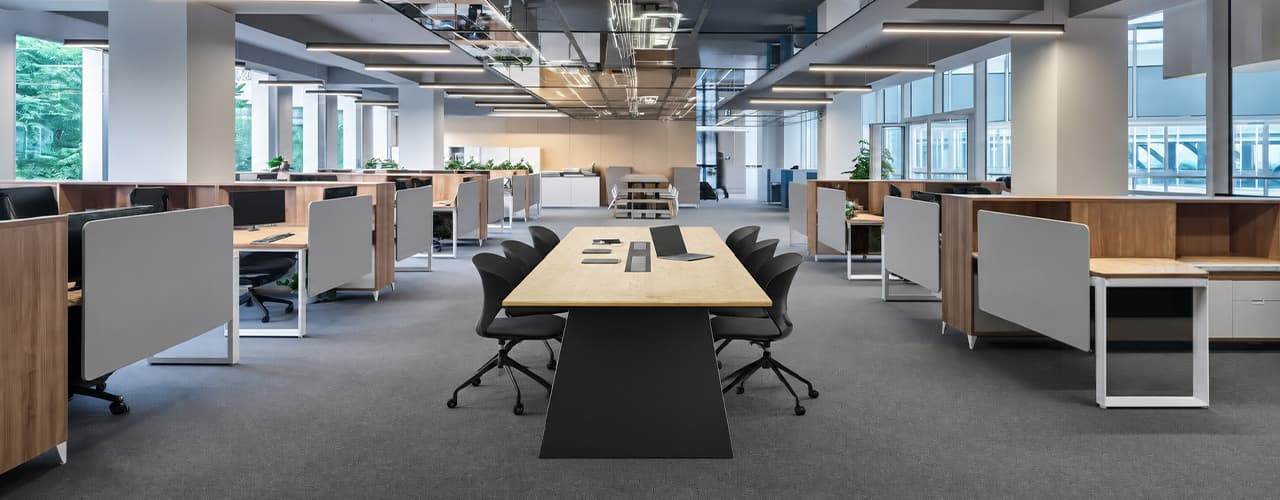
Open Plan vs Cubicle vs Hybrid Office Layout: Which Is Right for You?
The open-plan office was supposed to fix everything the cubicle farm got wrong. It didn't. It created a different set of problems and left people nostalgic for the one thing cubicles did well: quiet. The hybrid layout is positioned as the solution that addresses the shortcomings of both. It might be only if it fits how a specific team works. It shouldn't be a mix of two philosophies that didn’t help the team before. This guide shows what each layout offers and where it falls short. It also helps you choose the best option-or combination-for your office in Dubai or the GCC.
Key Findings
*Global office use is now at 53%, up from 38% in 2024. Also, 69% of teams have over 40% of their staff sharing desks. This shows that 2019 workspace designs don’t fit current needs.
*A Harvard study found that open-plan spaces often lower face-to-face interaction. Instead, they boost digital communication. This is the opposite of what these designs aim for.
*A hybrid model conversion at a 120-person SaaS company restored engineering deployment speed to baseline. It also reduced voluntary turnover in technical roles by 18% over nine months.
*Steelcase research shows that companies improving their work environment boost productivity by 17%.
*In 2026, the most innovative UAE offices aren’t just picking open plans or cubicles. They’re creating “activity neighborhoods.” These are clusters of spaces designed for different work styles.
*No layout is universally right. The best choice depends on your team's work style, industry, hybrid attendance ratio, and specific acoustic needs for your floor.
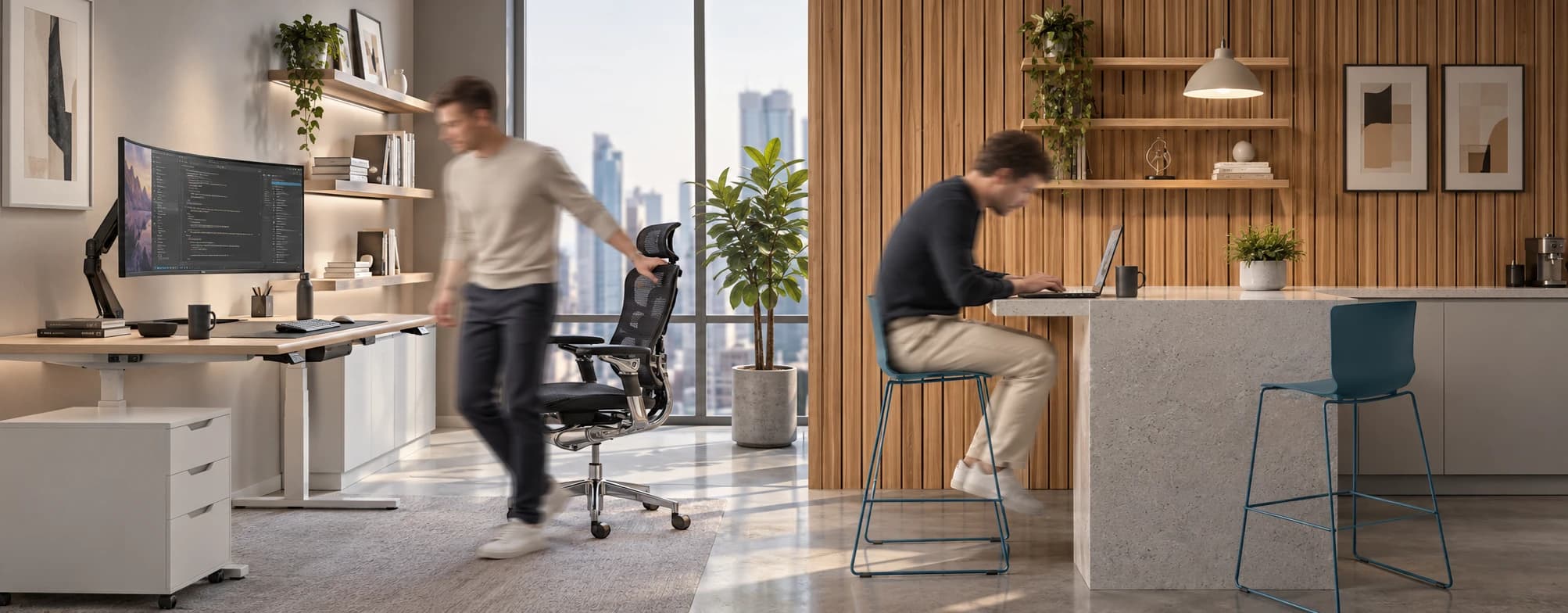
Sitting isn’t the Enemy, How You Sit Is: How to Align Your Desk for Zero Back Strain
If your job keeps you at a desk for most of the day, you are not alone—and you are not stuck. Software developers and data entry keyers spend 100% of a typical workday seated, while financial managers sit for 94%. Sitting is a standard part of modern work, so the real goal is learning how to reduce its physical impact while staying productive.
What the Research Shows
*Sedentary Volume: Adults in high-income countries spend 11–12 hours daily sitting over 75% of their waking hours (British Journal of Sports Medicine).
*Cardiovascular Risks: Sitting 6–8 hours daily increases cardiovascular event risk by 125% to 150% (Mayo Clinic).
*The 22-Minute Counter: 22 minutes of daily moderate-to-vigorous activity (brisk walking, cycling, active housework) offsets the mortality risk of prolonged sitting (BJSM).
*Micro-Break Impact: 5-minute movement breaks every hour significantly reduce fatigue and improve mood without hurting work performance (2026 BJSM Study).
*Gym Fallacy: A 60-minute workout in the morning does not fully reverse 9 hours of continuous sitting; daily movement breaks are still required.
The Ultimate Office Furniture Setup Checklist for Modern Teams
Most offices aren't badly furnished. They're incompletely furnished. A great chair paired with the wrong desk height. A standing desk with no monitor arm. A collaborative floor with no acoustic separation.
The gap is rarely one big thing. It's several small things missing from the same setup at the same time.
This checklist covers every furniture category a modern UAE office needs — what to look for, what to avoid, and what the research says about each. Use it for a new fit-out, an upgrade review, or a department-by-department audit.
Key Findings
*The chair is the top furniture investment for knowledge workers. It has the most contact hours and directly impacts posture, energy, and afternoon performance.
*Fixed desks at 75cm fit about 30–40% of UAE office teams well. Height adjustability isn’t a luxury; it meets everyone’s needs.
*Open-plan offices without acoustic zones can lose employees up to 86 minutes of productive time each day. This is based on workplace productivity research.
*EU-OSHA highlights musculoskeletal disorders as the top workplace health concern worldwide. Poor seating and desk height are key factors.
*CBRE's 2026 Global Workplace Insights reveals that 69% of organizations have over 40% of staff sharing desks. This shift means adjustability is now a standard requirement, not just an upgrade.
*Quality ergonomic chairs last 8–12 years. A BIFMA-certified chair costs less per year when spread over 10 years. This cost is lower than one physiotherapy session for occupational back pain in Dubai.
You x Navo
Feel free to reach out to us for any queries & concerns