

 Visit our Showroom


Take me to
So, What Exactly is a Standing Desk?
A standing desk is a height-adjustable workspace that allows you to work comfortably while either sitting or standing. Unlike traditional fixed desks that keep you seated all day, standing desks let you change positions throughout your workday, reducing the health risks associated with prolonged sitting.
These ergonomic workstations come in various types: electric motorized desks, manual crank models, and desktop converters but all serve one essential purpose: keeping you active and comfortable while you work. Whether you're in a high-rise Dubai office or working from home, standing desks provide the flexibility needed for healthier work habits.
At Navo Ergonomics, we've seen how the right standing desk transforms UAE workspaces, with customers reporting improved energy, reduced pain, and better focus throughout their day.
Explore Our Range of Standing Desks
Explore NowKey Findings
* Federal Decree-Law No. 33 of 2021 establishes a broad employer duty to provide a safe work environment — it does not mention ergonomics, specific furniture types, or chair adjustability.
* UAE law does not legally require BIFMA-certified chairs, standing desks, adjustable monitor arms, or acoustic pods.
* MoHRE workplace inspections focus on fire safety, emergency exits, ventilation, lighting, and hygiene — not desk height or armrest type.
* BIFMA is a voluntary American trade standard; OSHA is a US government agency; WELL is a private voluntary certification — none carry legal standing in the UAE.
* Ergonomics is a recognised best practice for employee health, productivity, and comfort — supported by international research but not mandated by UAE legislation.
* Employers who invest in ergonomic workspaces may reduce absenteeism, lower musculoskeletal complaint rates, and improve staff retention — the business case is real even where the legal mandate is not.
When Was the Standing Desk Invented?
The standing desk has a surprisingly rich history spanning over six centuries.
Renaissance Era (1400s) - Leonardo da Vinci worked at standing height while painting the Mona Lisa and designing revolutionary inventions, believing standing enhanced his creativity.
Academic Recognition (1600s) - Cambridge University introduced standing desks in 1626, recognizing their cognitive benefits for students.
Age of Enlightenment (1700s-1800s) - Standing desks became status symbols among intellectuals. By 1858, nearly half of all business writing was done at standing desks, with inventors filing patents for crank-operated adjustable bureaus.
Industrial Revolution (1900s) - Sitting became standard as machines replaced manual labor. Sedentary jobs increased 83% between 1950 and today—a trend mirrored in the UAE's office economy.
Modern Revival (2000s-Present) - Scientific evidence linking sitting to cardiovascular disease, obesity, and diabetes sparked a "standing desk revolution." UAE businesses across Dubai and Abu Dhabi are investing in ergonomic solutions for employee health and productivity.
Who Invented the Standing Desk? Notable Users Throughout History
While no single person invented the standing desk, influential figures throughout history championed their use:
Thomas Jefferson - America's third President commissioned a custom height-adjustable "tall desk" in the 1700s to draft the Declaration of Independence and architectural blueprints.
Ernest Hemingway - The Nobel Prize-winning novelist wrote standing after a WWI leg injury, crediting it with maintaining focus during long sessions.
Winston Churchill - Britain's wartime PM worked standing for books and speeches. His commitment may have contributed to his longevity living to 90.
How Do Standing Desks Work?
Modern standing desks use different mechanisms to adjust between sitting and standing heights:
Electric Standing Desks - The most popular choice in UAE offices. Motors embedded in the desk legs raise or lower the surface at the push of a button. Features include memory presets for saved heights, digital displays, and anti-collision sensors. Dual-motor systems offer superior stability and support 80-120 kg ideal for multiple monitors common in Dubai workspaces.
Manual Standing Desks - Use hand-crank systems that engage internal gears to adjust height. These eco-friendly, electricity-free options are reliable and budget-friendly, perfect for home offices.
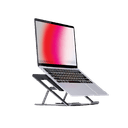
Standing Desk Converters - Sit atop existing desks to create elevated work surfaces using gas springs or mechanical systems. Popular among Dubai renters where full desk replacement isn't feasible.
All Navo Ergonomics standing desks enable you to alternate positions throughout the day the key to combating sedentary habits while maintaining comfort and productivity.
Why Standing Desks Matter for UAE Professionals
Health Benefits:
Reduce back pain by up to 32%
Improve cardiovascular health and blood circulation
Lower blood sugar levels, especially after meals
Burn approximately 50 more calories per hour than sitting
Improve posture and reduce neck/shoulder strain
Productivity Advantages:
Enhanced focus and concentration
Increased alertness during afternoon hours
Improved mood and reduced stress
Up to 45% productivity improvement in studies
UAE Climate Benefits: When outdoor activity is limited by extreme summer heat, standing desks provide an accessible way to stay active in climate-controlled offices.
Read more about health benefits of standing desks
Transform Your UAE Workspace
From Leonardo da Vinci's Renaissance studio to today's Dubai offices, standing desks have proven their value across six centuries. What began as furniture for intellectuals has become essential for health-conscious professionals.
The question isn't "what is a standing desk?" anymore it's "why haven't you made the switch?"
Explore Navo Ergonomics' premium standing desk collection designed for UAE professionals.
Your health and productivity deserve the investment.
Need Help Building Your Ergonomic Setup?
We'll guide you to the perfect chair, desk setup, and comfort tips for a productive workday.
Shop Office FurnitureShop Our Top Standing Desks
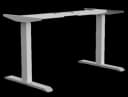
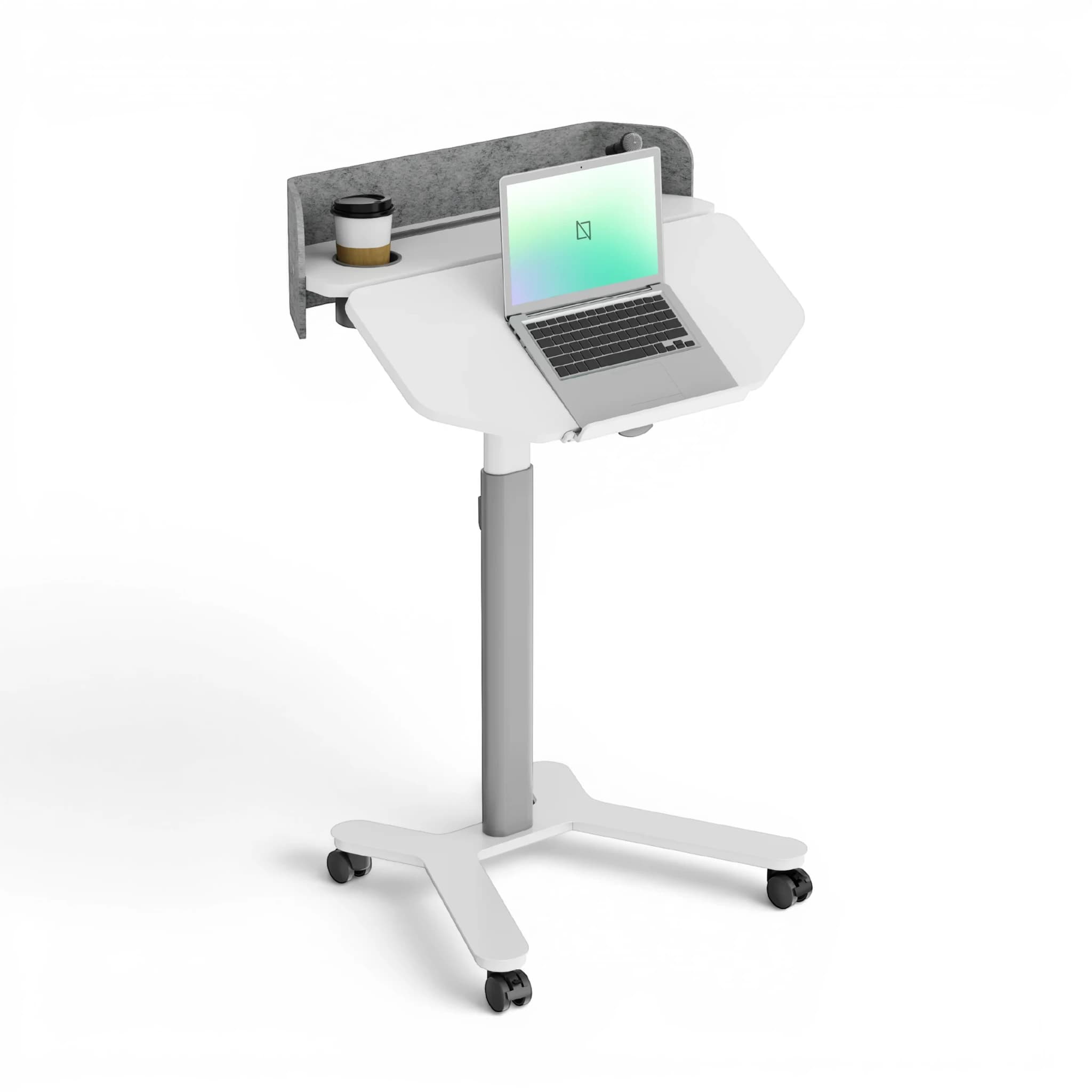
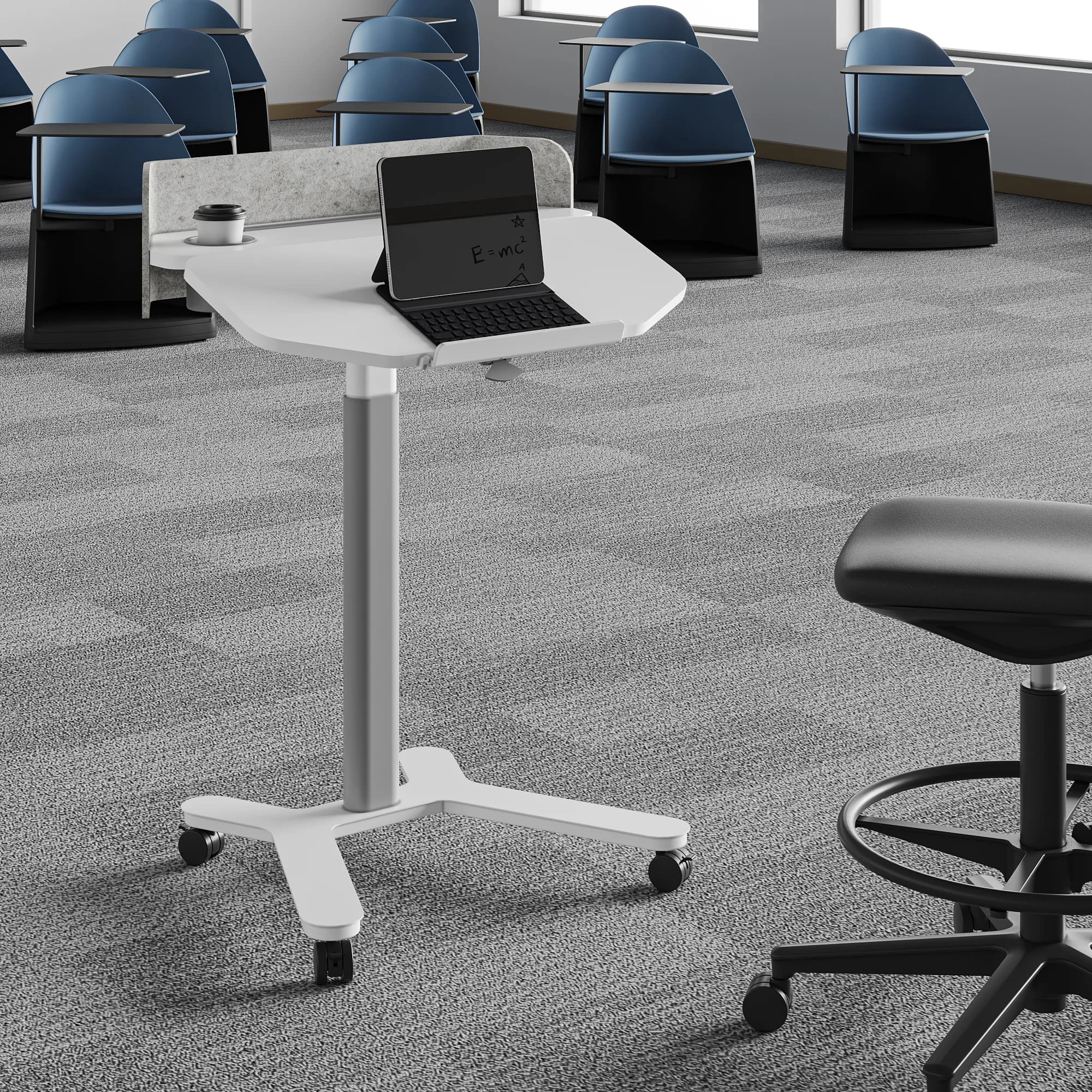
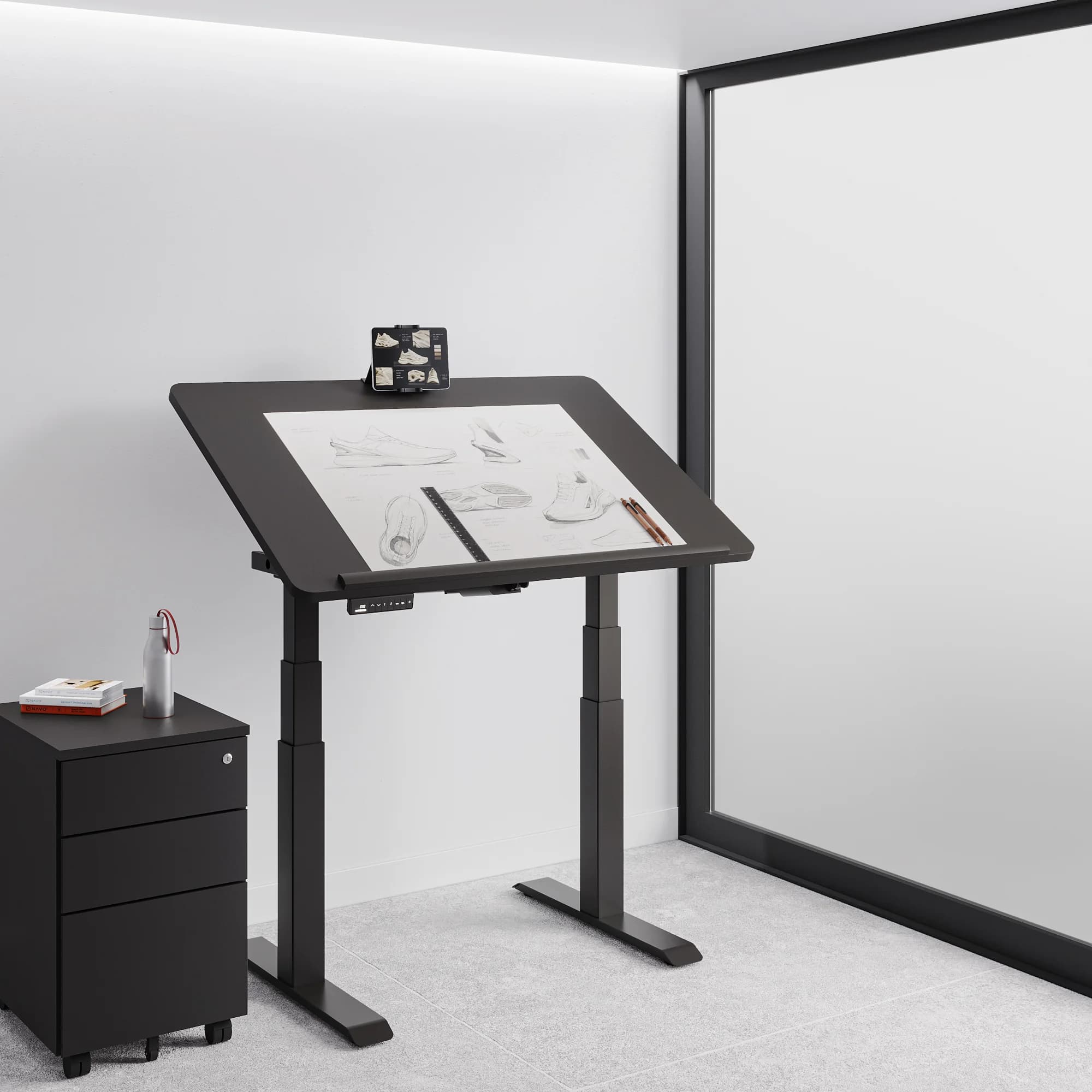
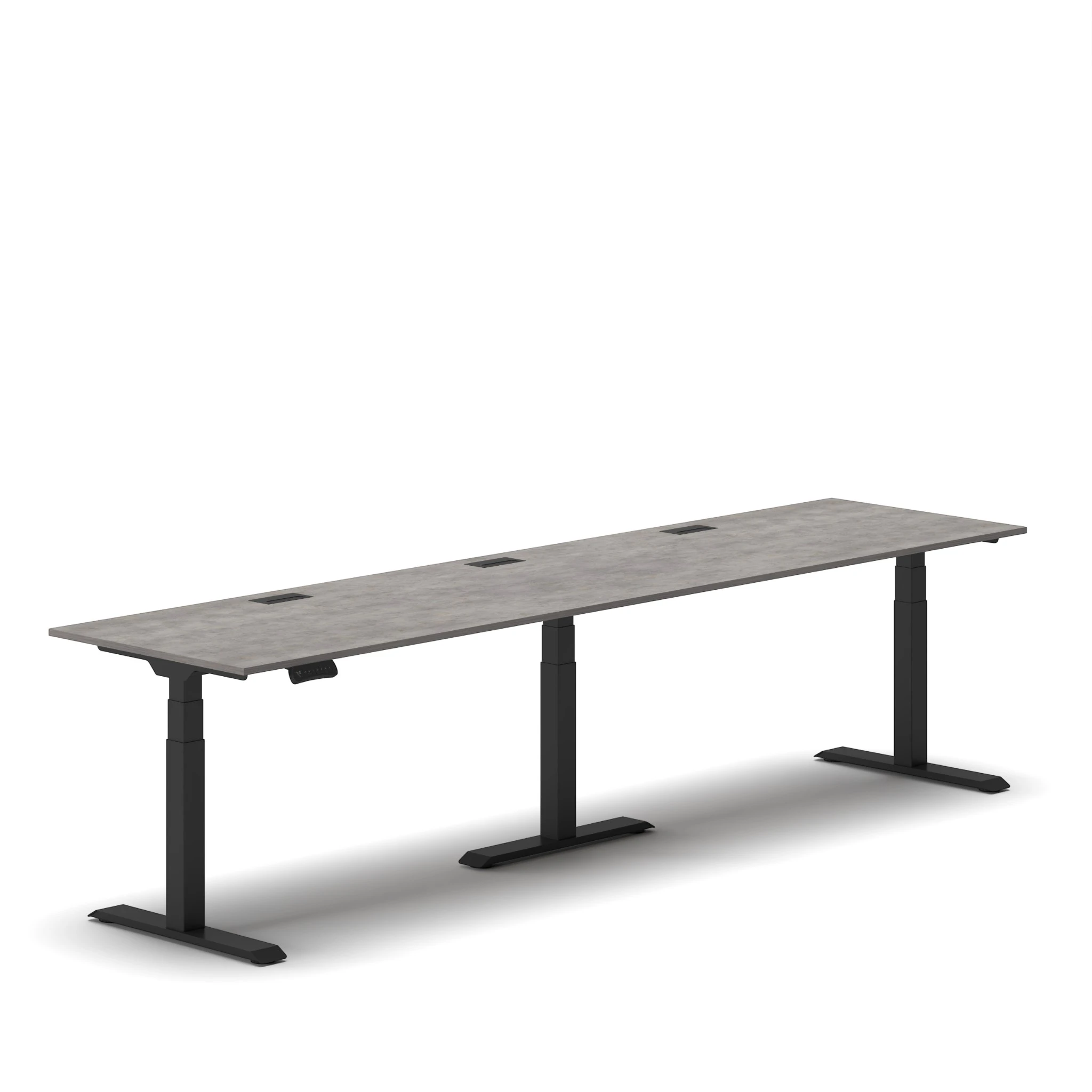
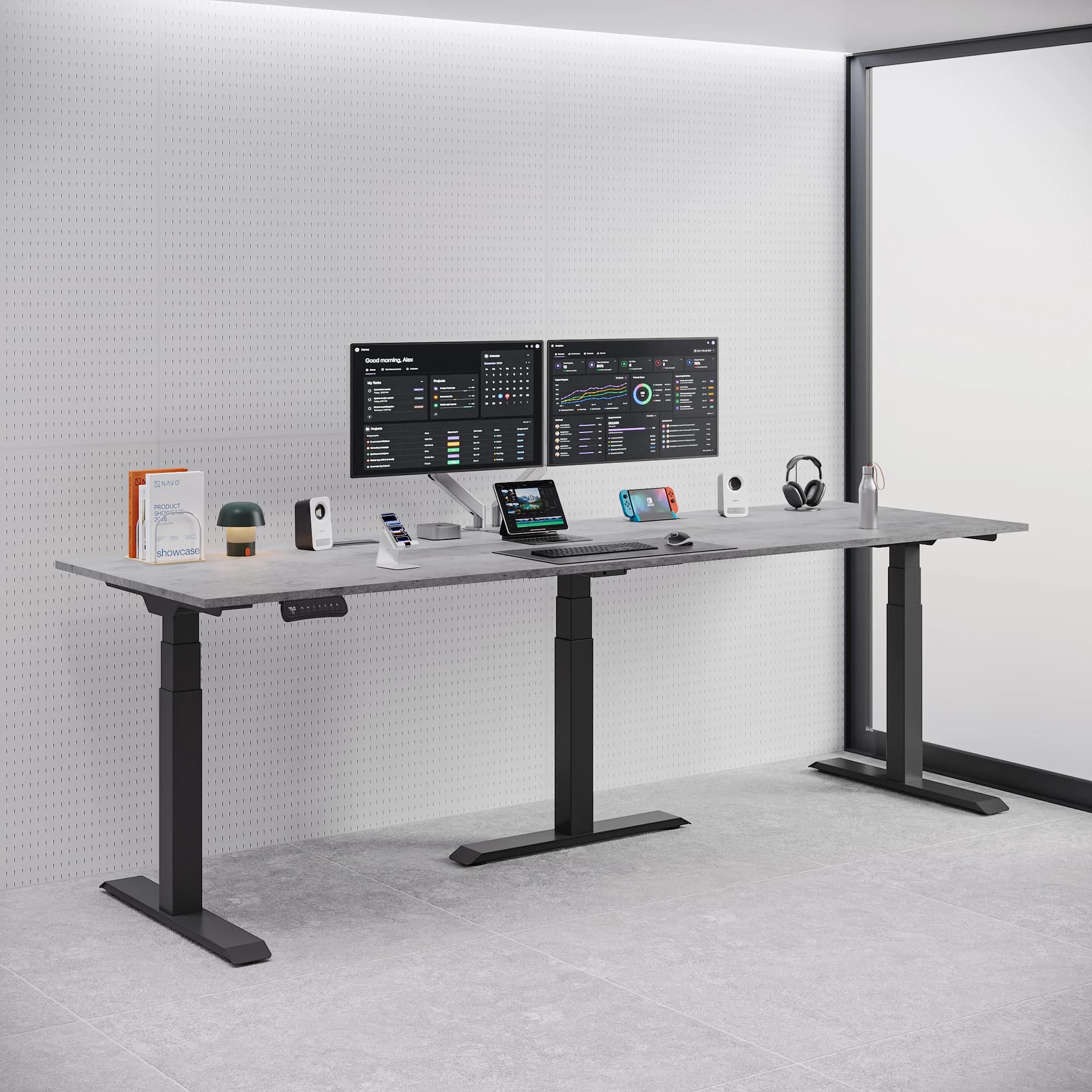
Sleek and durable standing desks - Engineered for seamless height adjustment for an improved posture and maximized comfort.
 590
590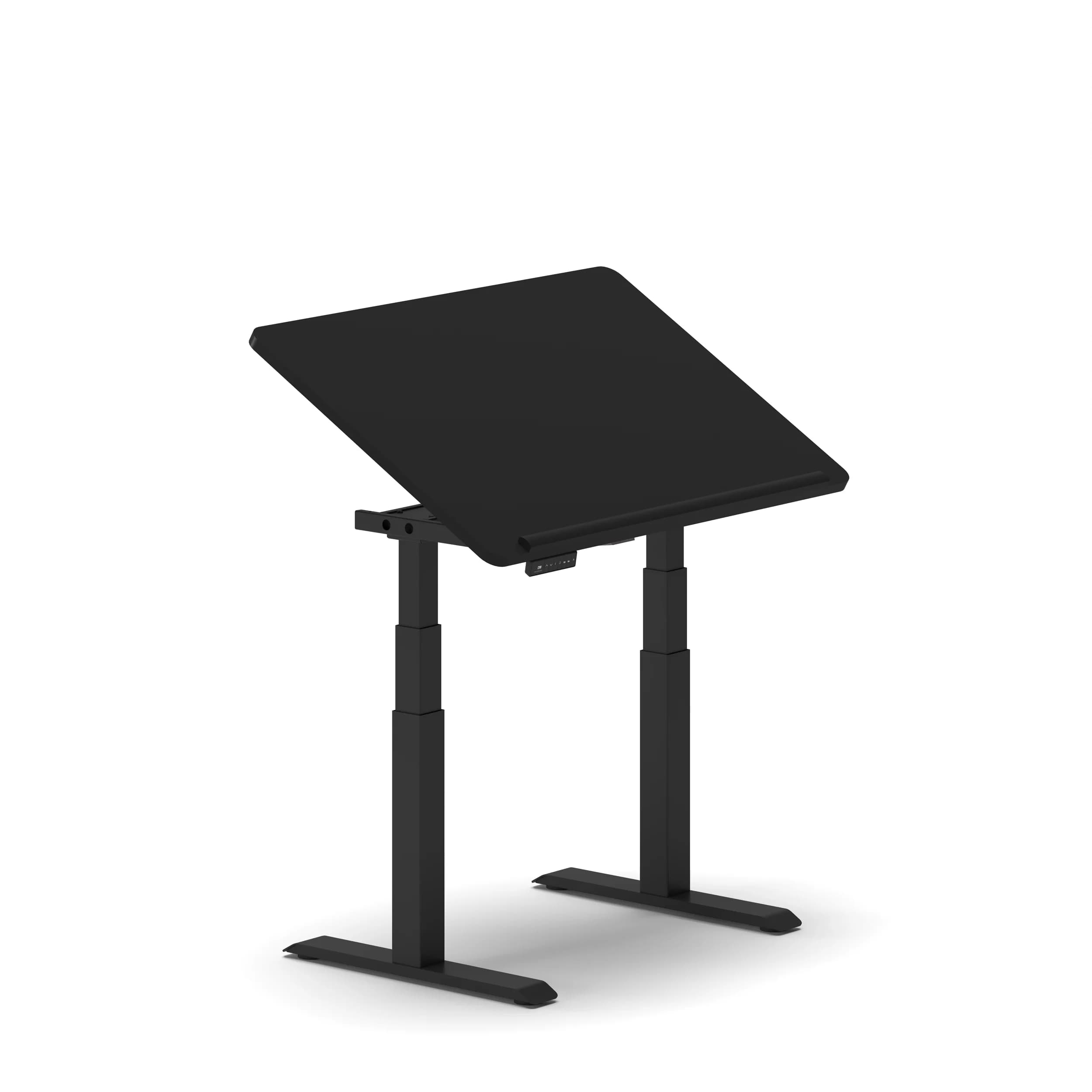
Popular Blogs
View all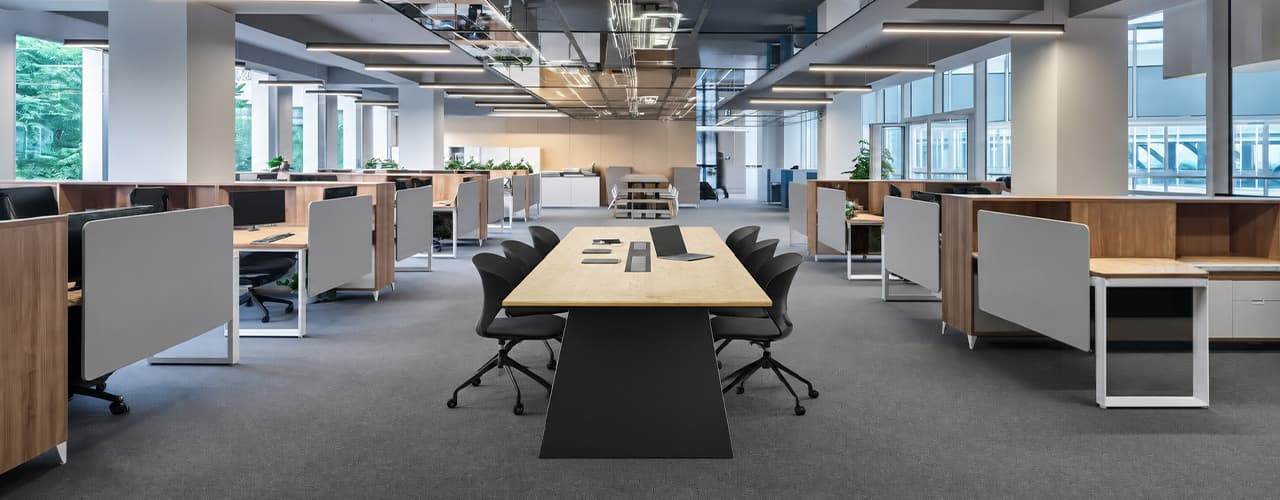
Open Plan vs Cubicle vs Hybrid Office Layout: Which Is Right for You?
The open-plan office was supposed to fix everything the cubicle farm got wrong. It didn't. It created a different set of problems and left people nostalgic for the one thing cubicles did well: quiet. The hybrid layout is positioned as the solution that addresses the shortcomings of both. It might be only if it fits how a specific team works. It shouldn't be a mix of two philosophies that didn’t help the team before. This guide shows what each layout offers and where it falls short. It also helps you choose the best option-or combination-for your office in Dubai or the GCC.
Key Findings
*Global office use is now at 53%, up from 38% in 2024. Also, 69% of teams have over 40% of their staff sharing desks. This shows that 2019 workspace designs don’t fit current needs.
*A Harvard study found that open-plan spaces often lower face-to-face interaction. Instead, they boost digital communication. This is the opposite of what these designs aim for.
*A hybrid model conversion at a 120-person SaaS company restored engineering deployment speed to baseline. It also reduced voluntary turnover in technical roles by 18% over nine months.
*Steelcase research shows that companies improving their work environment boost productivity by 17%.
*In 2026, the most innovative UAE offices aren’t just picking open plans or cubicles. They’re creating “activity neighborhoods.” These are clusters of spaces designed for different work styles.
*No layout is universally right. The best choice depends on your team's work style, industry, hybrid attendance ratio, and specific acoustic needs for your floor.
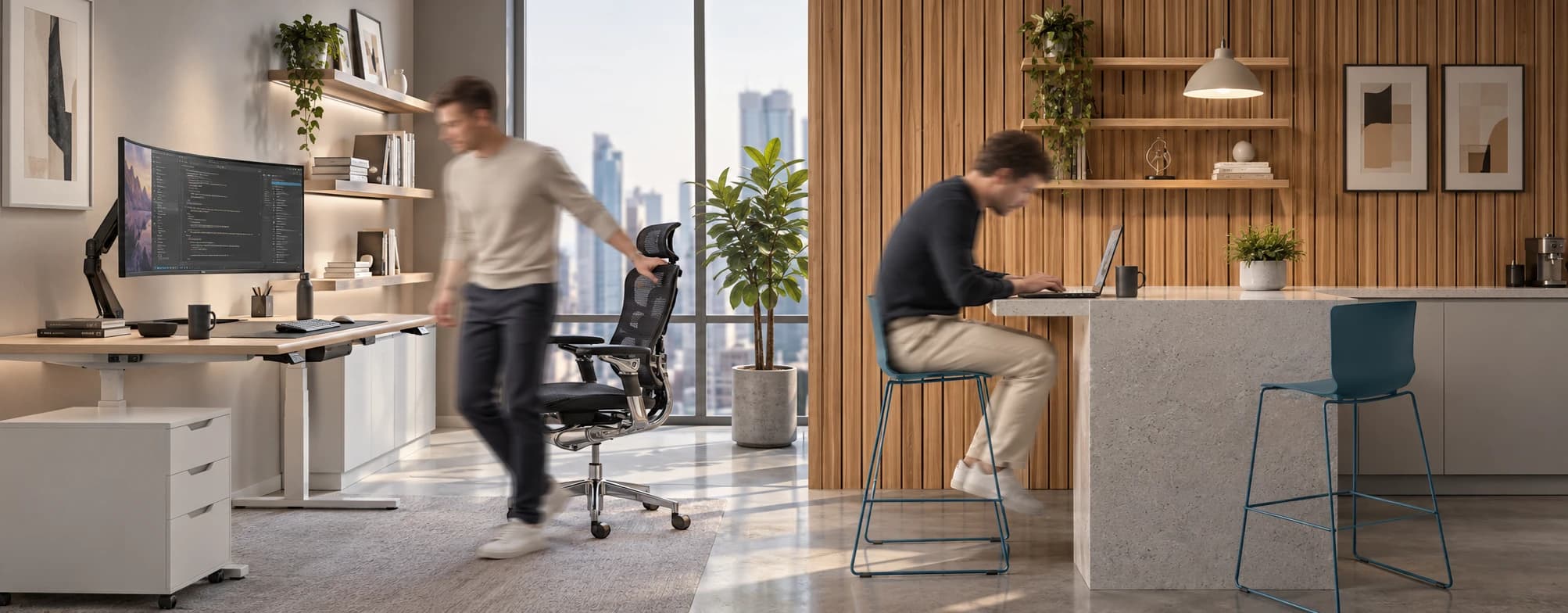
Sitting isn’t the Enemy, How You Sit Is: How to Align Your Desk for Zero Back Strain
If your job keeps you at a desk for most of the day, you are not alone—and you are not stuck. Software developers and data entry keyers spend 100% of a typical workday seated, while financial managers sit for 94%. Sitting is a standard part of modern work, so the real goal is learning how to reduce its physical impact while staying productive.
What the Research Shows
*Sedentary Volume: Adults in high-income countries spend 11–12 hours daily sitting over 75% of their waking hours (British Journal of Sports Medicine).
*Cardiovascular Risks: Sitting 6–8 hours daily increases cardiovascular event risk by 125% to 150% (Mayo Clinic).
*The 22-Minute Counter: 22 minutes of daily moderate-to-vigorous activity (brisk walking, cycling, active housework) offsets the mortality risk of prolonged sitting (BJSM).
*Micro-Break Impact: 5-minute movement breaks every hour significantly reduce fatigue and improve mood without hurting work performance (2026 BJSM Study).
*Gym Fallacy: A 60-minute workout in the morning does not fully reverse 9 hours of continuous sitting; daily movement breaks are still required.
The Ultimate Office Furniture Setup Checklist for Modern Teams
Most offices aren't badly furnished. They're incompletely furnished. A great chair paired with the wrong desk height. A standing desk with no monitor arm. A collaborative floor with no acoustic separation.
The gap is rarely one big thing. It's several small things missing from the same setup at the same time.
This checklist covers every furniture category a modern UAE office needs — what to look for, what to avoid, and what the research says about each. Use it for a new fit-out, an upgrade review, or a department-by-department audit.
Key Findings
*The chair is the top furniture investment for knowledge workers. It has the most contact hours and directly impacts posture, energy, and afternoon performance.
*Fixed desks at 75cm fit about 30–40% of UAE office teams well. Height adjustability isn’t a luxury; it meets everyone’s needs.
*Open-plan offices without acoustic zones can lose employees up to 86 minutes of productive time each day. This is based on workplace productivity research.
*EU-OSHA highlights musculoskeletal disorders as the top workplace health concern worldwide. Poor seating and desk height are key factors.
*CBRE's 2026 Global Workplace Insights reveals that 69% of organizations have over 40% of staff sharing desks. This shift means adjustability is now a standard requirement, not just an upgrade.
*Quality ergonomic chairs last 8–12 years. A BIFMA-certified chair costs less per year when spread over 10 years. This cost is lower than one physiotherapy session for occupational back pain in Dubai.
You x Navo
Feel free to reach out to us for any queries & concerns