

 Visit our Showroom
 +971 585905046
Ergonomic Office Furniture in Dubai: How to Choose the Right Setup
December 29, 2025
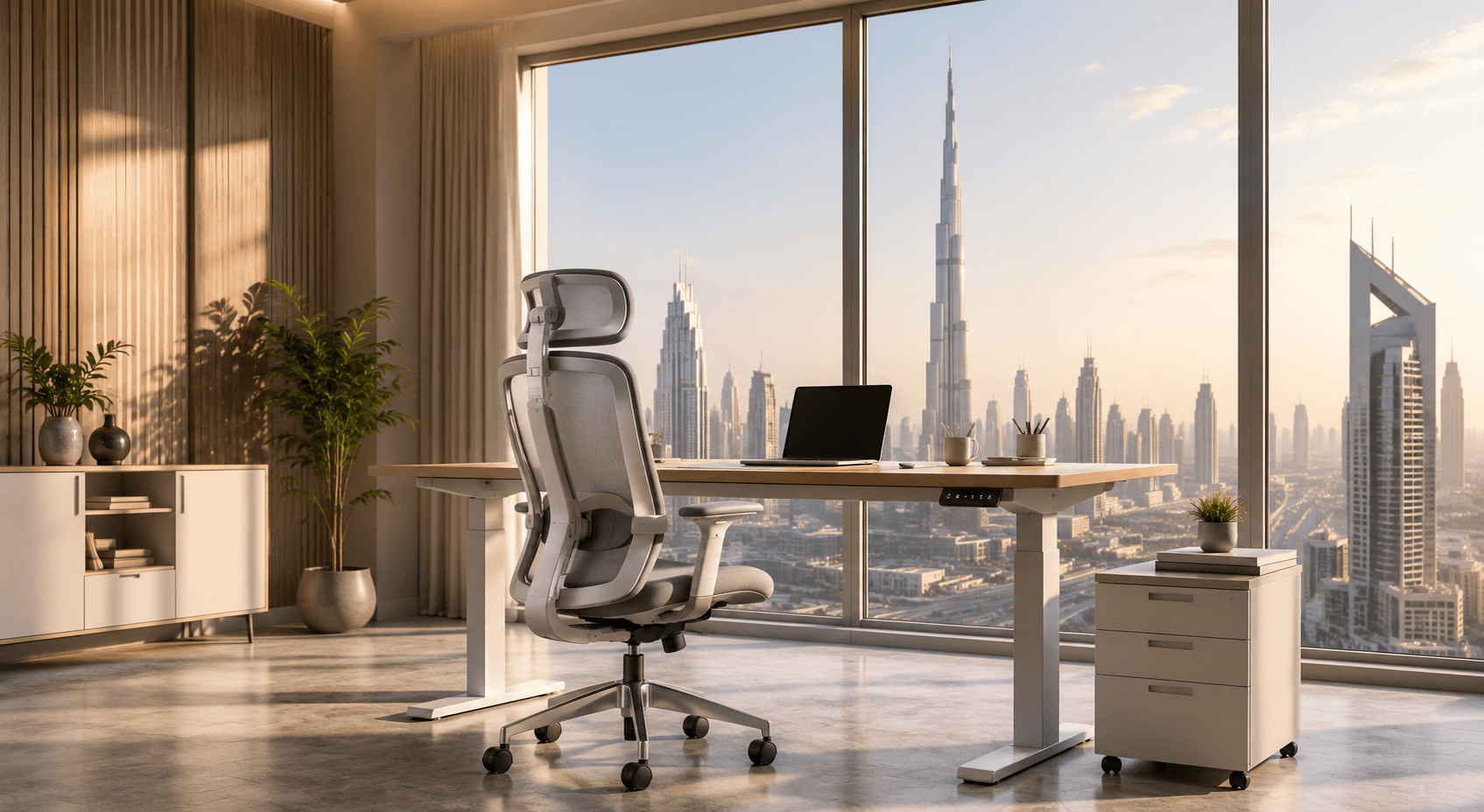
Dubai's office furniture market has grown a lot. There are more products, more choices, and more claims. The gap between what's marketed as ergonomic and what actually functions ergonomically has also grown.
This guide cuts through that. Specific setup guidance for Dubai workspaces, based on verified product specifications and GCC-specific context.
Take me to
What Makes Office Furniture Ergonomic in the Dubai Context?
Ergonomic office furniture in Dubai needs to consider three key factors. First, materials must perform well in Gulf climates, where temperatures reach 35–50°C and humidity is between 60-80%. Second, furniture must accommodate a range of user heights, from 155 to 200 cm, common in UAE workplaces. Lastly, space efficiency is crucial, especially in premium Dubai real estate, where costs range from AED 150 to 300 per square foot.
The broader ergonomic principle - furniture that adapts to the user rather than forcing the user to adapt - applies universally.
In Dubai, changes include:
Using mesh materials instead of foam upholstery.
Offering adjustable desks for all heights.
Creating space-efficient products for home offices in Marina and JLT apartments.
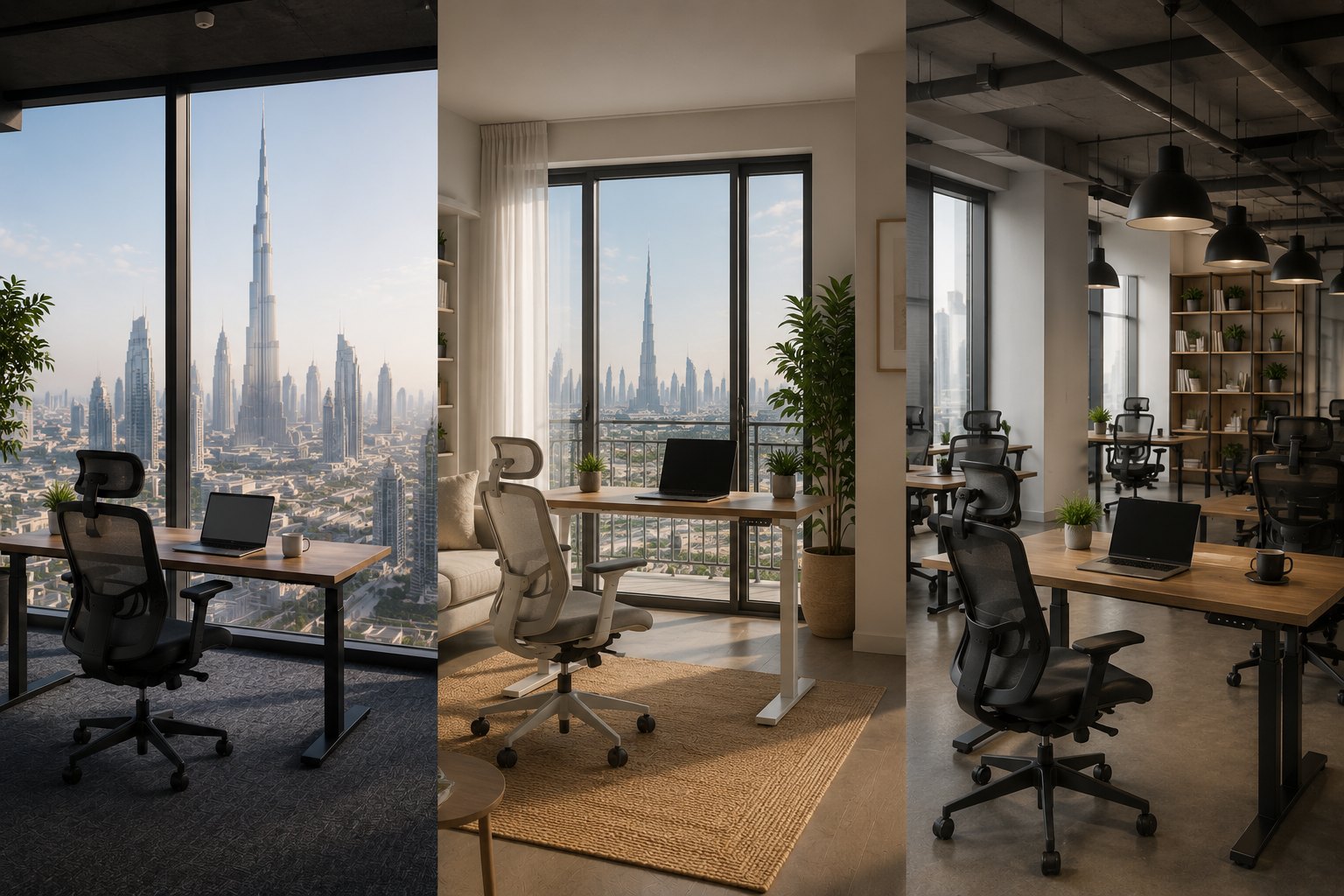
As Dubai's hybrid work culture takes shape, professionals are working in various places. Some are in DIFC towers, others in home offices in Business Bay, and many are at coworking spaces around the city. The setup needs change based on where they are. This guide covers all three.
What Ergonomic Furniture Is Most Important to Prioritise First?
Priority order for ergonomic office furniture investment:
Chair first: You spend the most time in contact with it.
Desk second: This affects how well the chair fits and your working height.
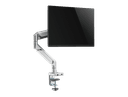
Accessories last: Include items like a monitor arm, footrest, and cable management.
Buying in reverse order—accessories before the desk and the desk before the chair—creates setups with a weak foundation. Accessories can't fully make up for this.
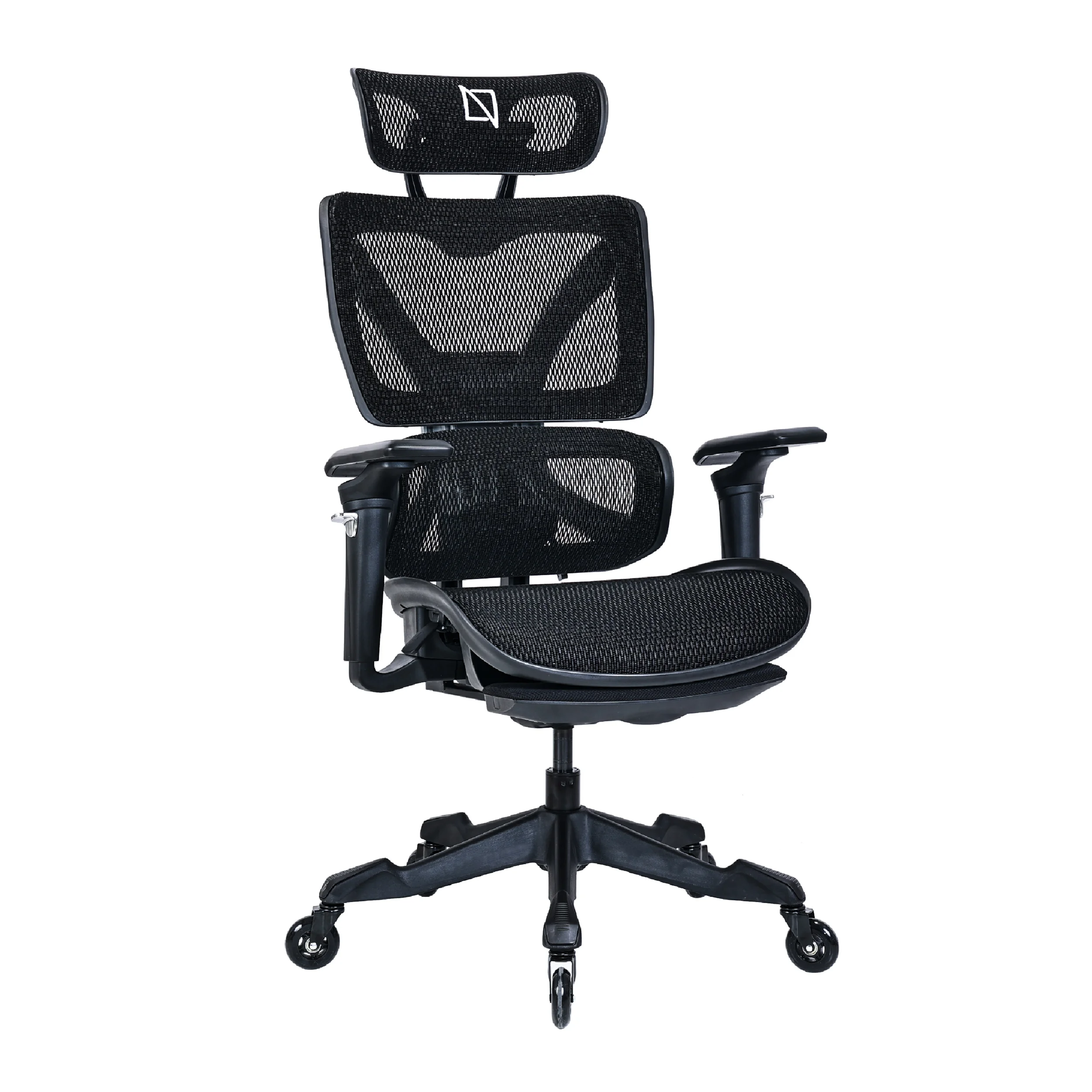
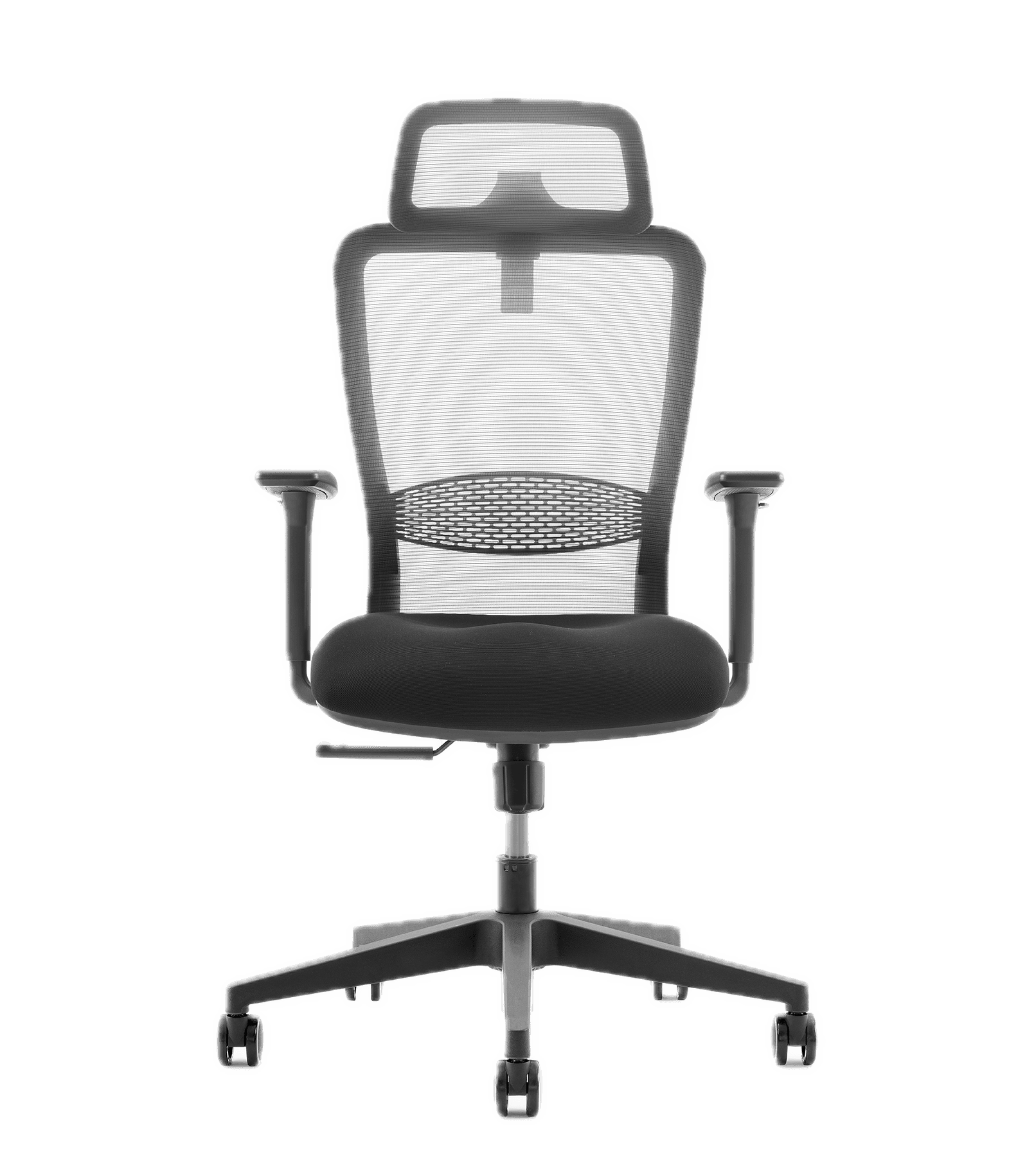
Chair: Spends the most direct time in contact with your body. The HALO Chair (BIFMA-certified, 135kg capacity, adjustable lumbar, mesh back) or ErgoMax All Mesh (5D armrests, height-adjustable backrest, hidden footrest) provide verified ergonomic adjustability suited to full-day professional use.
Desk: Determines whether your chair can be at the correct height. A fixed desk at 75cm that's too high for a shorter user requires chair compensation - which then requires footrest compensation - a chain of workarounds that height-adjustable desks avoid by bringing the surface to you.
Accessories: Fill gaps the desk and chair can't - monitor arm for screen position, footrest for shorter users, cable management for standing desk dynamic routing.
How Do You Choose the Right Ergonomic Chair for a Dubai Office?
Choose an ergonomic chair for your Dubai office by:
Confirming mesh or breathable fabric for the Gulf climate.
Verifying BIFMA certification for strength.
Checking adjustability for your height, including seat and lumbar ranges.
Selecting a weight capacity that exceeds your body weight by 20–30%.
Climate consideration: Leather and full-foam chairs retain heat at contact surfaces. Dubai's typical office temperature is 22–24°C. It feels cool at first. However, prolonged sitting creates heat at contact points. Mesh fabrics help disperse this heat, but leather tends to hold it in. For 6–8 hour Dubai workdays, mesh back chairs outperform solid materials for afternoon comfort.
Navo ergonomic chairs for Dubai offices:
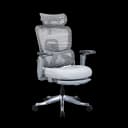
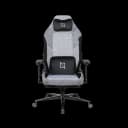
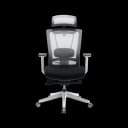
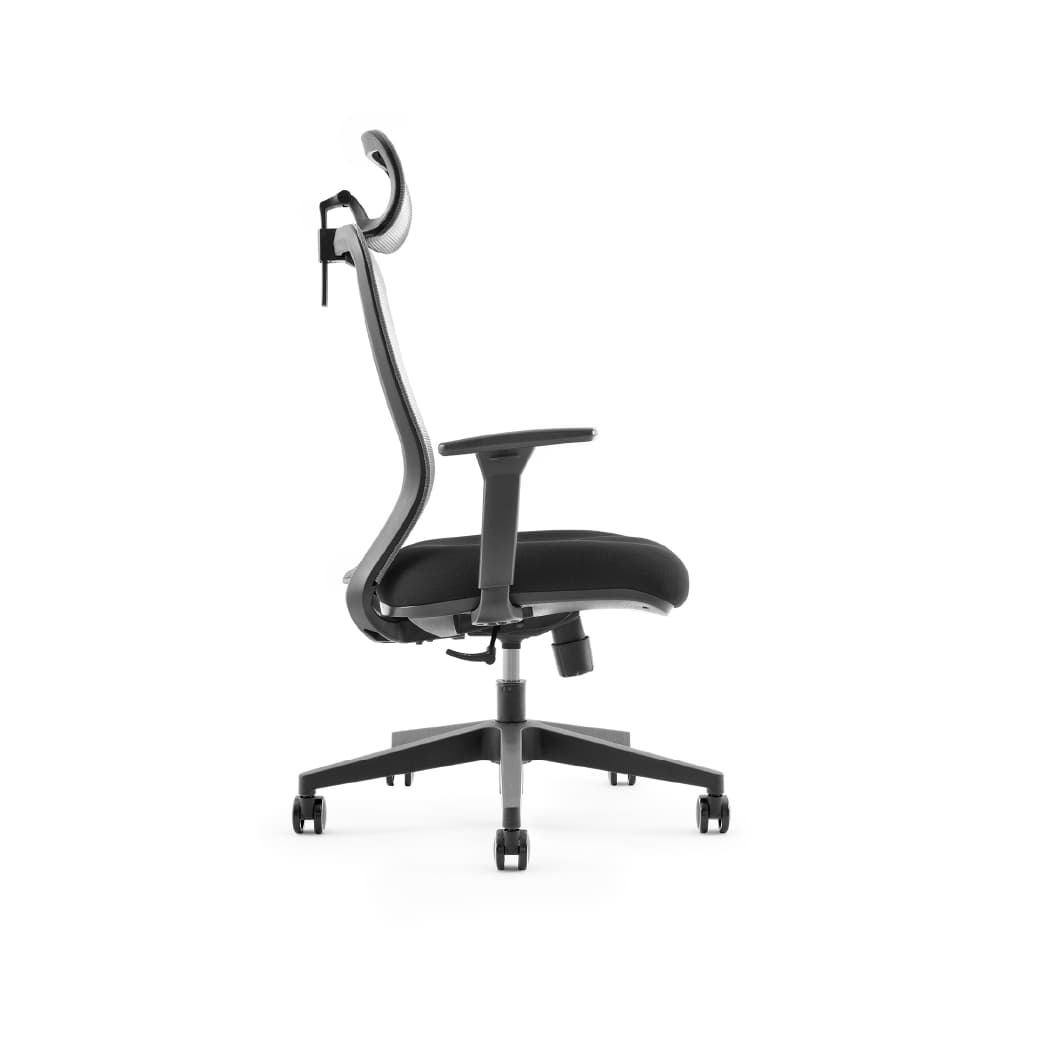
HALO Chair: BIFMA-certified, breathable mesh back, 135kg, adjustable lumbar, 5 recline positions. Best for: full-day professional use, back pain management, users needing maximum adjustability.
ErgoMax All Mesh: BIFMA-certified, all-mesh construction, 5D adjustable armrests, height-adjustable backrest, retractable footrest, aluminium base. Best for: premium mesh experience, professionals needing full-body ergonomic adjustment.
AERO Chair Fabric: AED 890, BIFMA-certified, 4D armrests, lean-back locking, durable fabric in Light-Grey/Marine-Blue/Pure-Black. Best for: budget-conscious buyers needing BIFMA certification, home office setups.
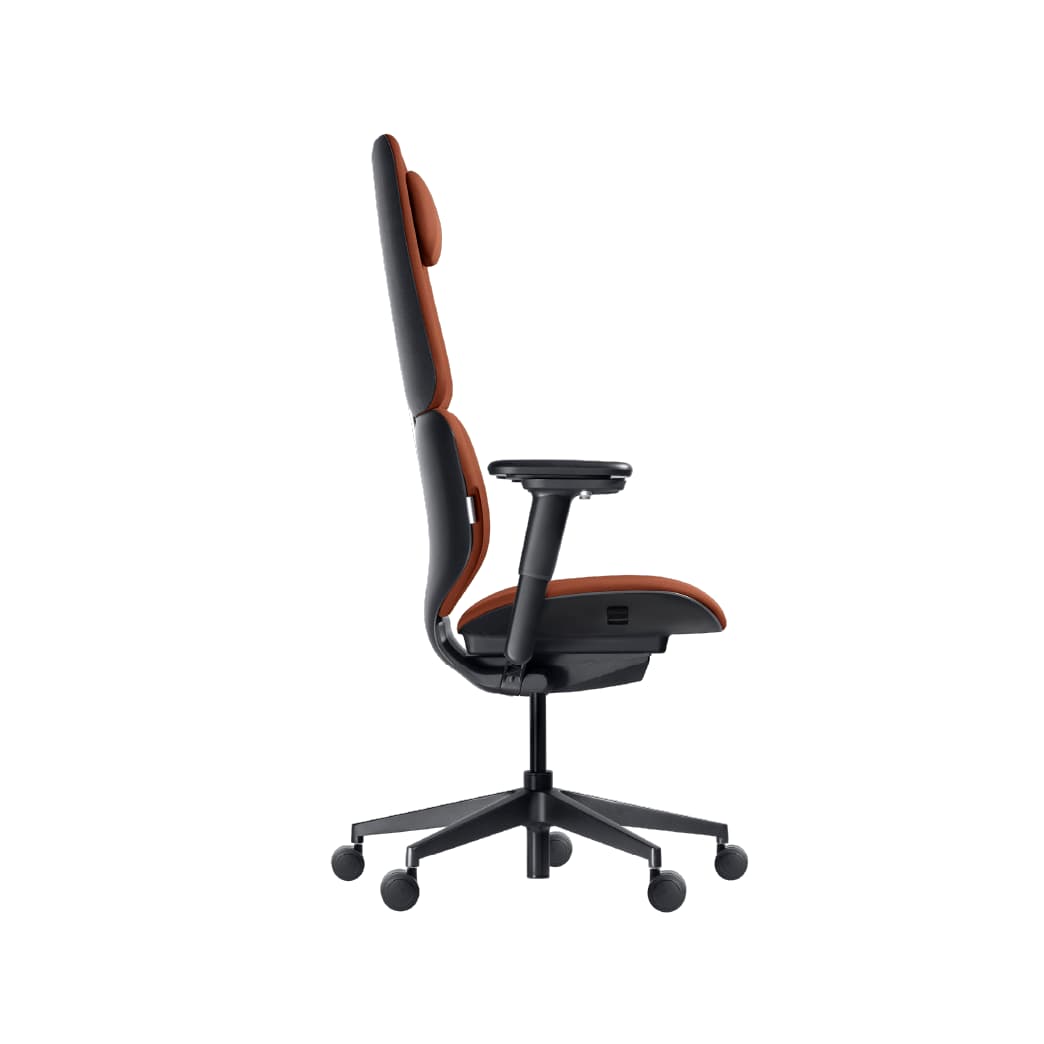
ATOM Chair: Award-winning, aluminium frame, ErgoFabric/CloudLeather/Leather, adjustable lumbar, CloudFoam™ cushion. Best for: executive offices, client-facing spaces, premium material preference.
For broader office chairs needs - visitor seating, task chairs, meeting room chairs - Navo's full range covers every seating context.
How Do You Choose the Right Standing Desk for a Dubai Office?
Choose a standing desk for your Dubai office by:
Confirming the height range fits both sitting and standing positions for your height, not just an average.
Selecting a dual-motor desk if you have more than one monitor.
Prioritizing models with memory presets, as this helps you use the sit-stand function regularly.
GCC workforce diversity: Dubai offices have international teams. Their heights range from 155 to 200 cm. A standing desk must cover the full seated height range (58–75cm) and full standing height (90–130cm) to serve the entire team. Not all standing desks achieve this.
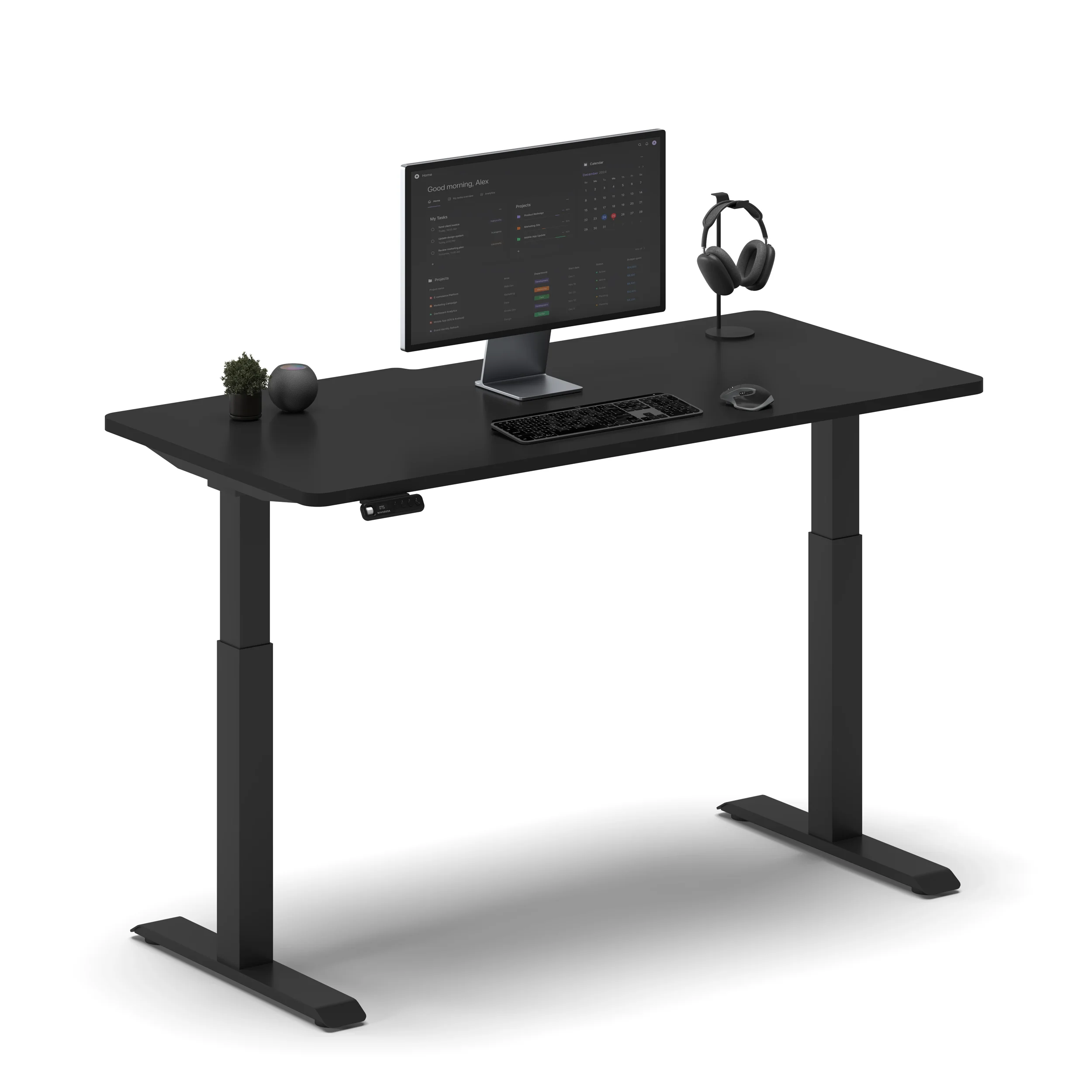
Navo standing desks for Dubai:
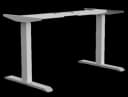
Navodesk PRO: 69–115cm, 120kg, dual-motor, NavoControl™ Pro with Bluetooth app, NavoSense™ anti-collision. Best for: individual professional workstations, smart feature integration.
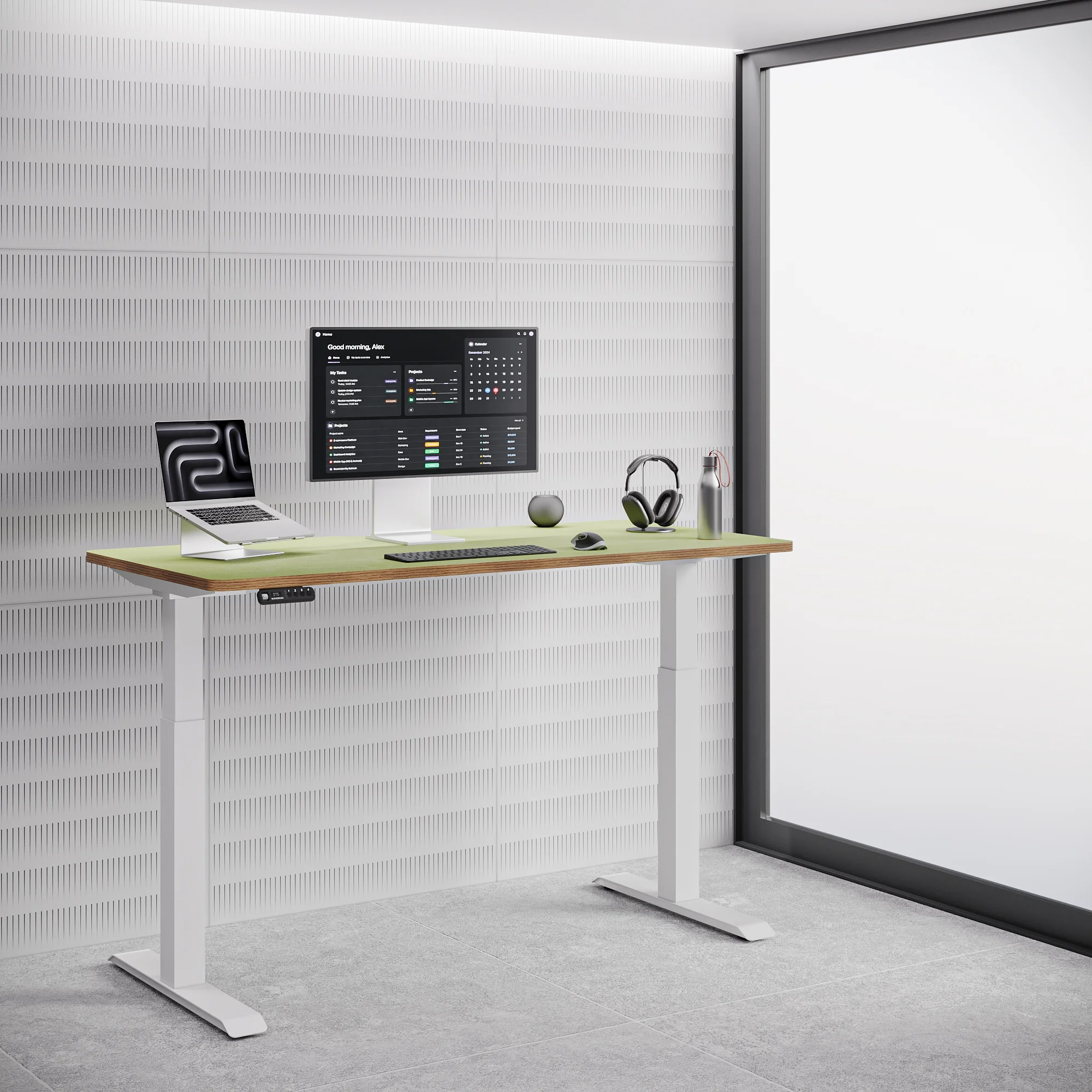
Navodesk AIR: 100kg, dual-motor, NavoSense™, USB charging, modular frame. Best for: clean minimal setups, home offices, users prioritising simplicity.
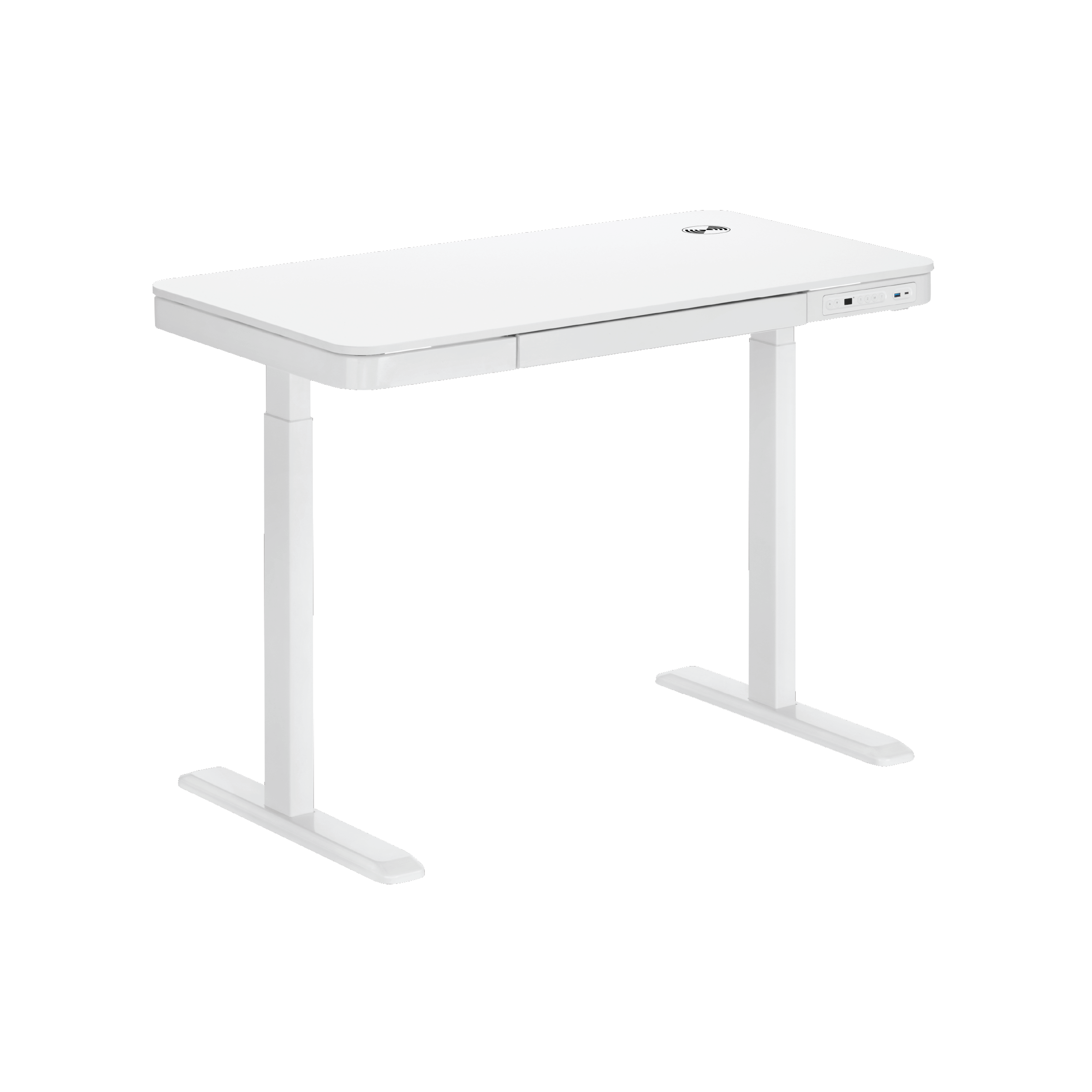
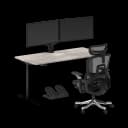
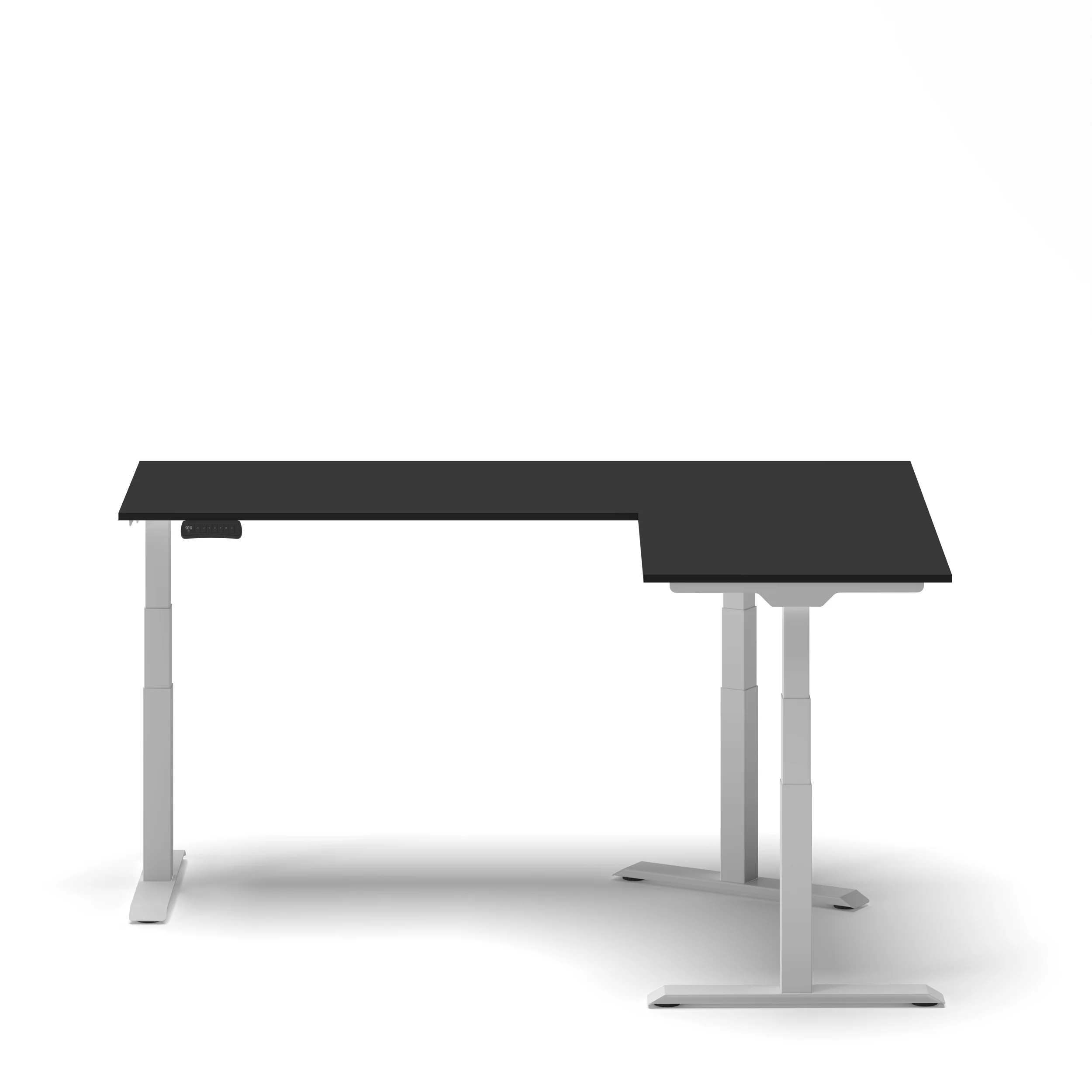
Navodesk Flex L-Shape: 58–123cm, 150kg, triple-motor, 3-stage legs. Best for: dual or triple monitor setups, corner workstations, users needing widest height range.
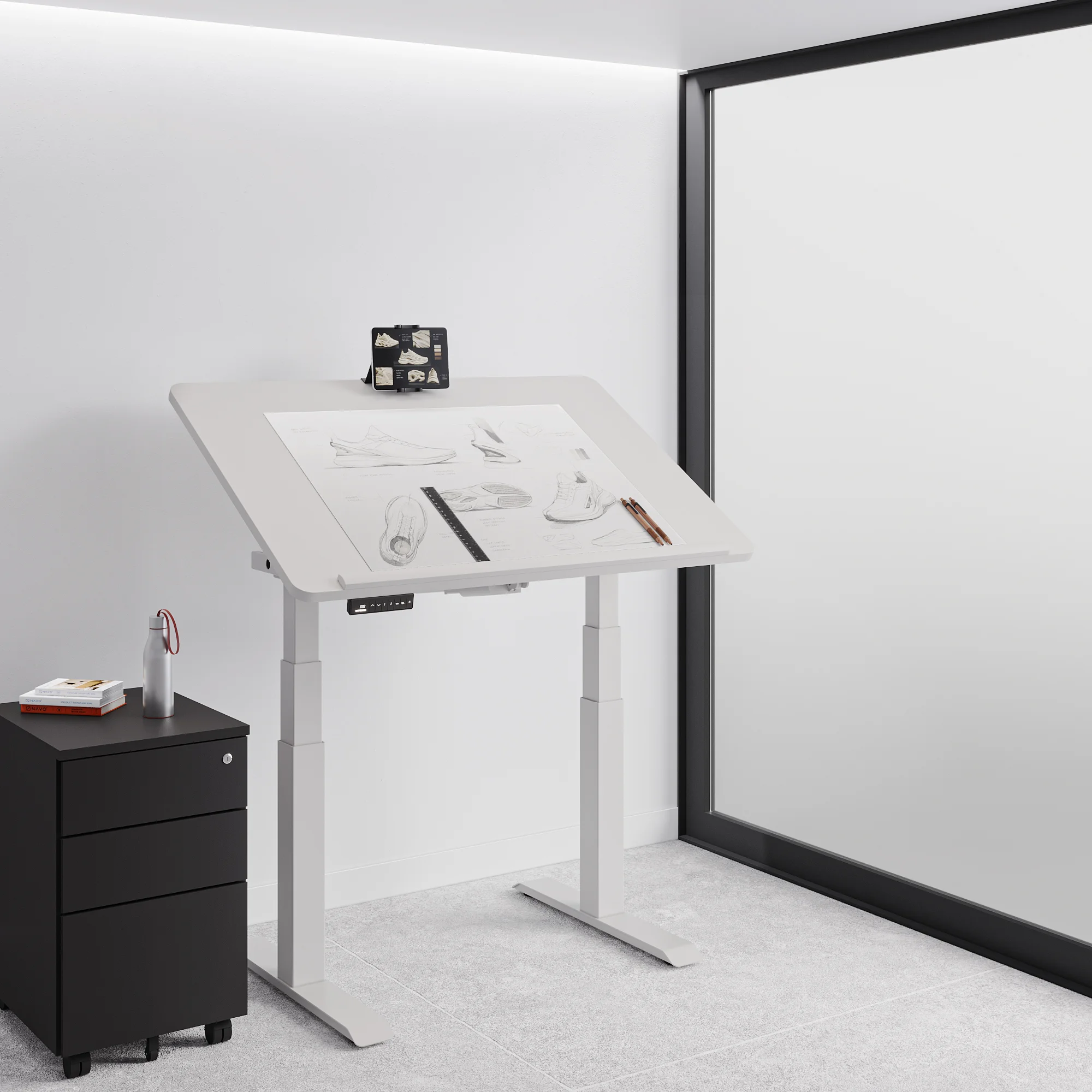
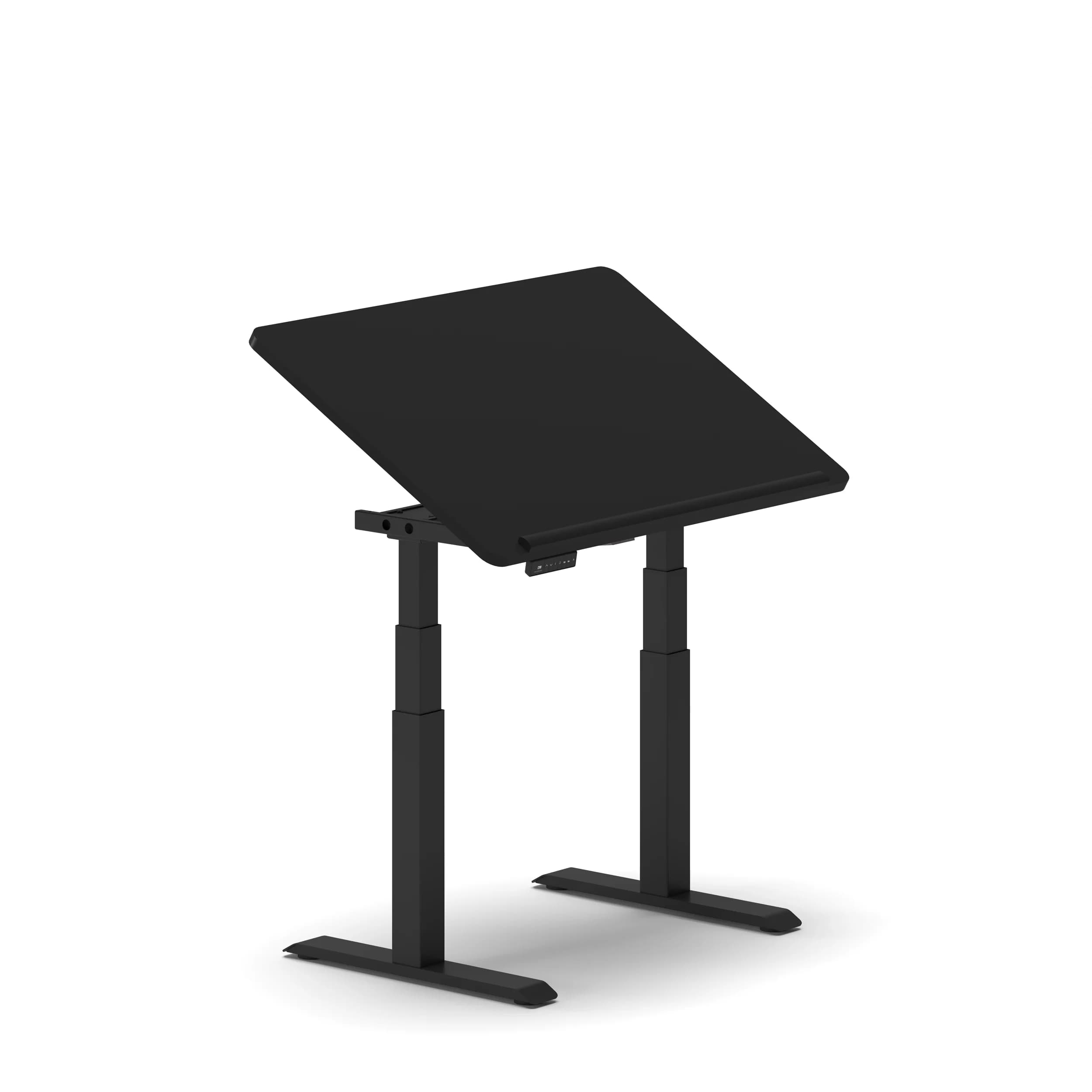
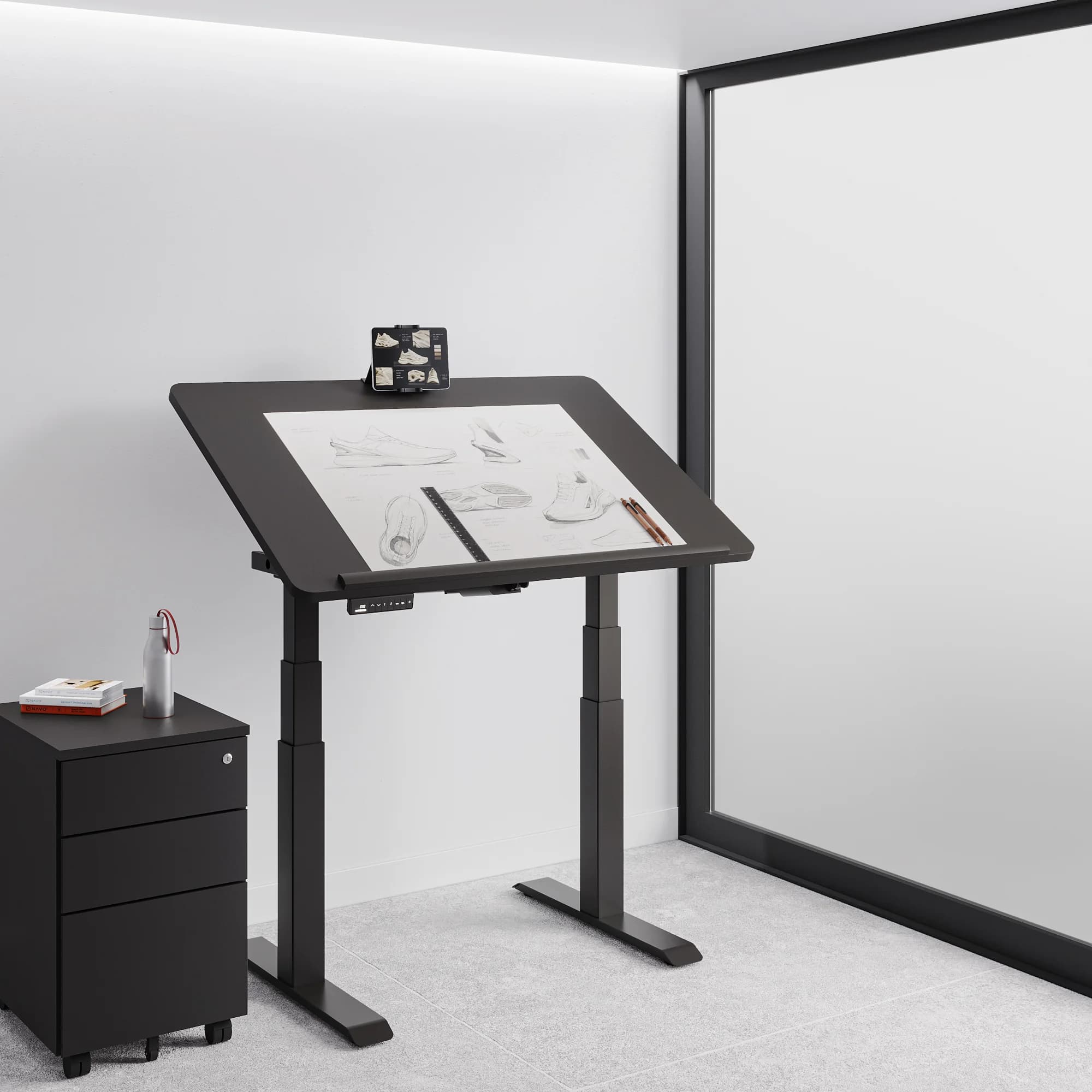
Navodesk TILT: Standing desk + 40° drafting surface. Best for: architects, designers, illustrators needing both sit-stand and professional drafting capability.
For executive desks in private offices and workstations for open-plan environments, Navo's fixed desk range covers premium and team contexts respectively.
What Ergonomic Setup Works for Home Offices in Dubai Apartments?
Dubai apartment home offices, usually 6–12 sqm in JLT, Dubai Marina, and Business Bay, need space-saving furniture. This furniture should be ergonomic and professional but not take up the space of full corporate workstations.
Space-efficient ergonomic setup for Dubai apartments:
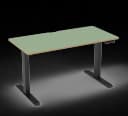
Compact standing desk: Navodesk Lite - minimal footprint, lightweight, electric height adjustment, integrated headphone hook. Designed specifically for smaller spaces.
Chair: AERO Fabric (AED 890) for mid-range budgets; HALO for users needing maximum adjustability in limited space. Both have compact footprints relative to their ergonomic capability.
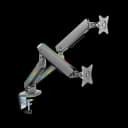
Monitor arm: Reclaims desk surface depth occupied by monitor stand (20–30cm of surface typically recovered). In small apartments where desk space is at premium, this is the single highest ROI accessory after chair.
Vertical storage: Keeps desk surface clear by moving frequently used items to wall or adjacent storage. Navo's desk organisers and storage range address this without requiring additional floor area.
Dubai climate note: Home offices in apartments with afternoon sun face heat issues. For example, west-facing Marina apartments get intense solar gain from 3 to 6 PM. This raises surface temperatures, even when AC is on. Mesh chair materials become more important than in corporate buildings with better shading.
What Budget Should You Plan for Ergonomic Office Setup in Dubai?
Three setup tiers for Dubai ergonomic office furniture:
Entry (AED 2,500–4,500):
Quality ergonomic chair with BIFMA certification
AERO Fabric chair at AED 890
Adjustable-height desk or fixed desk with monitor arm
Suitable for part-time WFH or secondary workstations.
Mid-range (AED 5,000–10,000):
Premium ergonomic chair (HALO or ErgoMax, AED 1,500–2,500)
Navodesk AIR or PRO standing desk
Monitor arm
Cable management
Full professional daily-use configuration.
Premium (AED 10,000–20,000+): ErgoMax or ATOM chair + Navodesk PRO or Flex + monitor arm + full accessory suite. Corporate-grade quality for home executive offices or professional studios.
Visit Navo's Dubai showroom at Al Khabaisi Complex, 74 2B Street, Al Khabaisi - to test chairs and desk mechanisms before purchasing.
Frequently Asked Questions
Need Help Building Your Ergonomic Setup?
We'll guide you to the perfect chair, desk setup, and comfort tips for a productive workday.
Shop Our Top Ergonomic Office Furniture
 450
450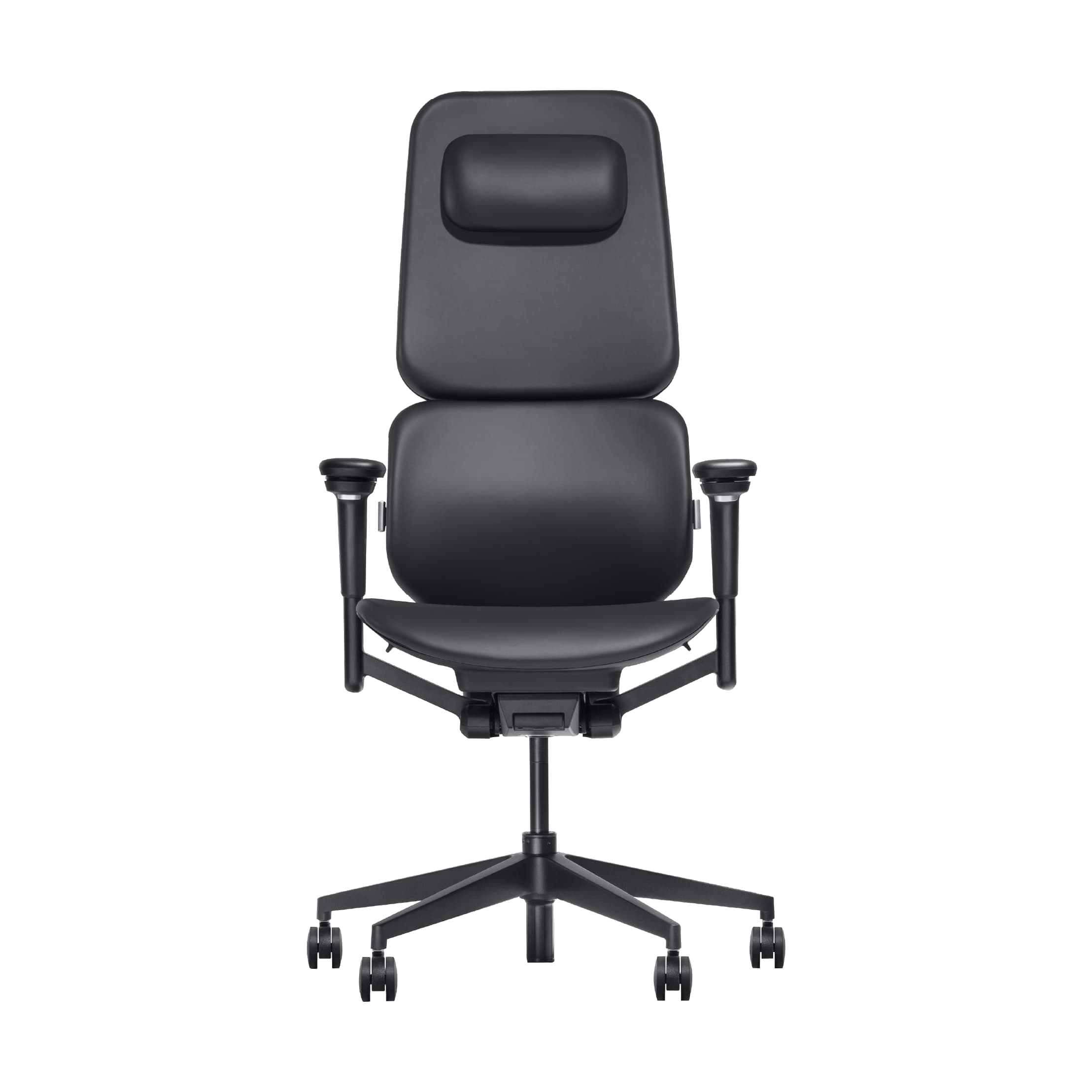

Popular Blogs
View all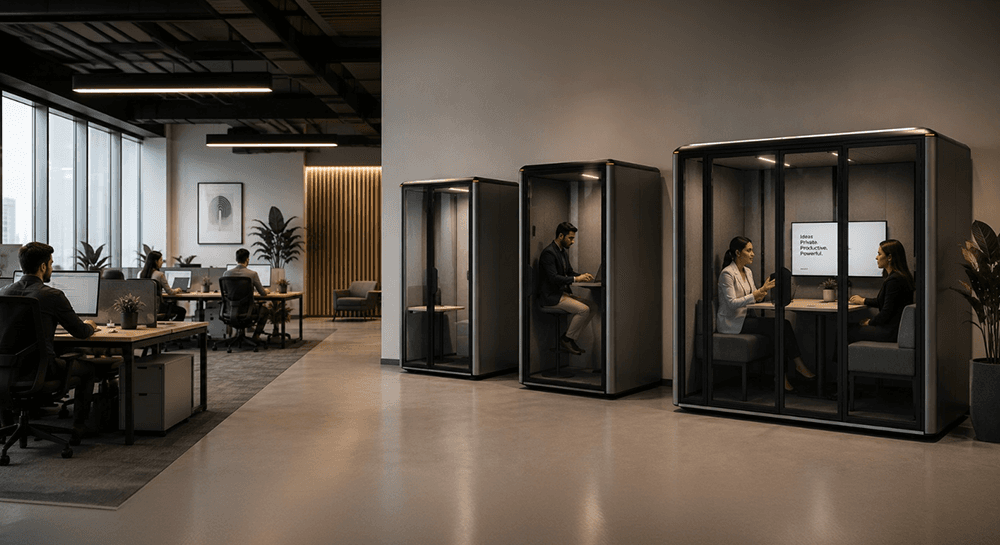
What Is an Office Pod? Types, Uses and Benefits
Open-plan offices were designed to encourage collaboration. They achieved that - and introduced a problem nobody budgeted for.
Noise. Constant, productivity-draining noise.
Research published by workplace consultancy Leesman Index consistently shows focus work rates higher satisfaction scores at home than in the office. The reason isn't the commute. It's unmanaged open-plan acoustics. Noise and interruptions can steal up to 86 minutes of work time from employees every day. This is based on research about workplace productivity.
In Dubai and GCC offices running 8–10 hour days across international time zones, that number compounds fast.
Office pods solve this directly. Not by removing walls and rebuilding. Not by expensive renovations. By placing a self-contained acoustic space exactly where the team needs it.
We've been designing and installing workspace solutions across the UAE since 2019. Here's what we've learned about which pods work, for whom, and why.
What Is a Desk Riser?
There's a moment most WFH professionals recognise—somewhere around 2 PM, lower back tightening, energy dipping, suddenly very aware you haven't moved in three hours. The solution everyone recommends is a standing desk. The price tag makes you reconsider.
Enter the riser desk—positioned as a cheaper, easier alternative. But what actually is it, and does it genuinely solve the same problem?
So lets understand what is a desk riser and what's the difference between standing desk and desk riser
What Is a Desk Riser?
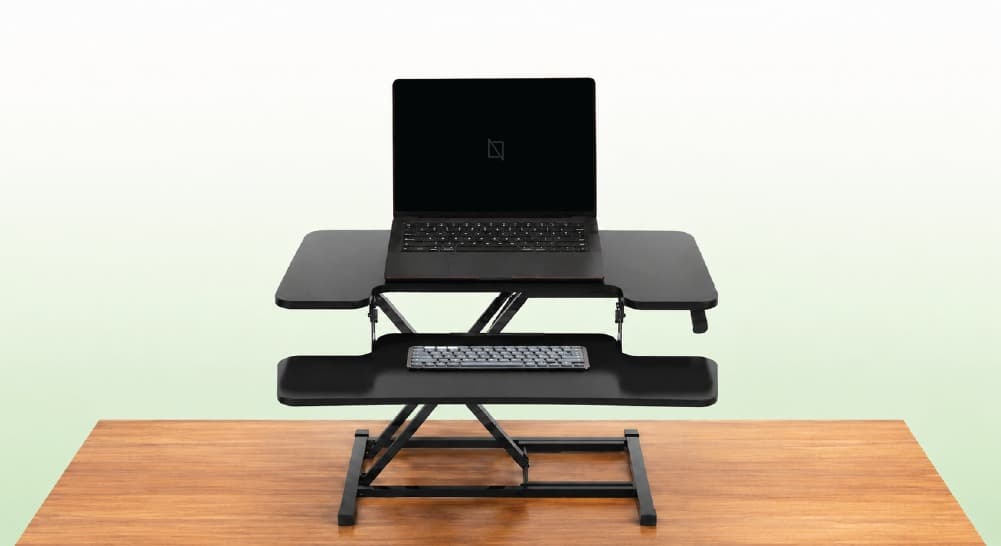
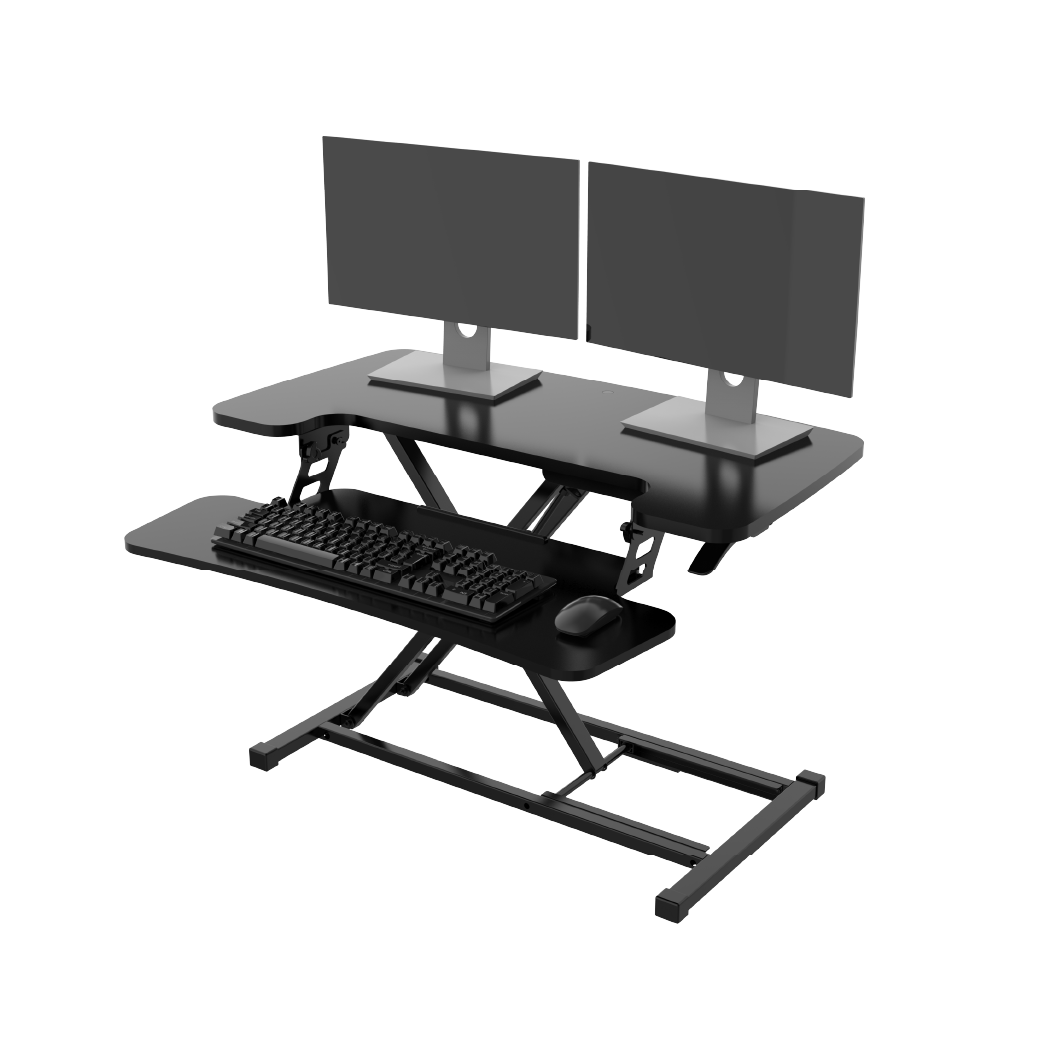
A riser desk—also called a standing desk converter or desk riser—is a height-adjustable platform that sits on top of your existing desk surface, raising your monitor, keyboard, and mouse to standing height without replacing your desk.
It's an add-on, not a replacement. Your current desk stays exactly where it is. The converter creates a raised working layer above it, which you lift when you want to stand and lower when you sit.
Think of it as a workstation within a workstation.
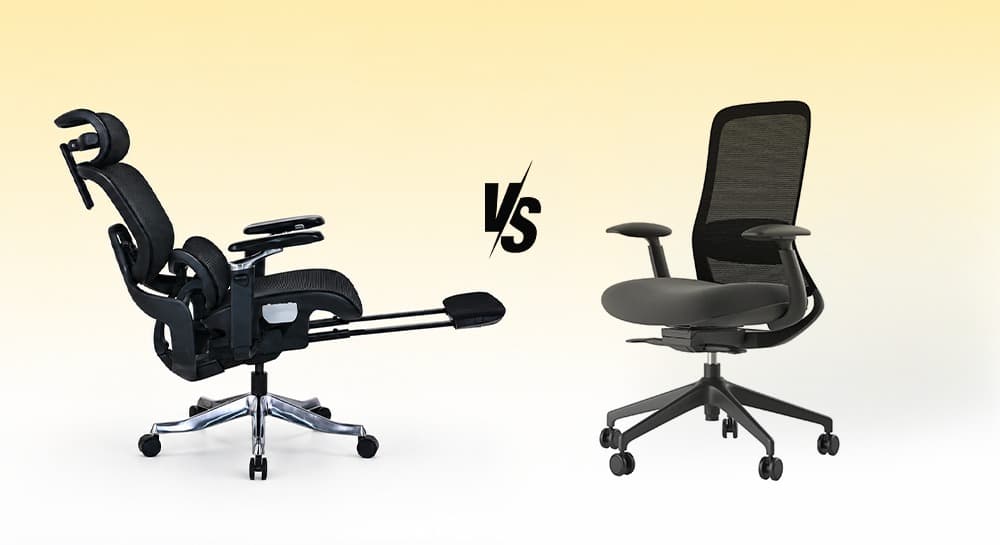
Ergonomic Chair vs Office Chair: Which One Should You Choose?
Most people don't start searching for an ergonomic chair.
They start searching because something hurts.
A stiff lower back. Tight shoulders. Neck strain after a long day at the desk.
That's usually when the question appears:
Should I buy an ergonomic chair or a regular office chair?
The answer depends less on the chair category and more on how long you sit, how often you work at a desk, and how much adjustment your body actually needs.
You x Navo
Feel free to reach out to us for any queries & concerns