

 Visit our Showroom
Two kinds of businesses plan a UAE office fit-out. The first kind moves quickly and skips the permit step. Then, it gets a stop-work notice from Dubai Municipality two weeks later. In the end, it spends more to fix the issue than the permit would have cost. The second type views the fit-out as a business choice. It’s sequenced, budgeted, and planned before any contractor arrives on site.
The difference isn't budget or size. It's knowing the sequence before you start.
We've been specifying and supplying office furniture across UAE and GCC fit-out projects since 2019. This is how a well-run project flows — and where most go wrong.
Take me to
What Does an Office Fit-Out Cover?
An office fit-out turns a bare or existing space into a usable workplace. It includes partitions, flooring, ceilings, lighting, MEP systems, joinery, IT infrastructure, and furniture. In the UAE, it requires authority approvals before any physical work legally begins.
A fit-out is not the same as moving furniture into an empty office. It's a permitted, inspected construction process with legal obligations at every stage. That distinction shapes every decision downstream.
Cat A vs Cat B: Most UAE commercial leases hand over a Cat A space — raised floors, suspended ceilings, basic MEP, fire systems. Empty but functional shell. The tenant handles the Cat B fit-out. This includes partitions, joinery, furniture, branding, and IT. These elements help the space function for the team using it.
Step 1: Write a Brief That Actually Works
Most fit-out briefs are too vague. "Modern, collaborative, and reflective of our brand" gives designers vague ideas. This leaves room for costly guesswork.
A brief that works specifies:
Headcount now and in 18–36 months
Workstyle by department - focus-heavy vs collaborative vs call-intensive
Hybrid attendance ratio - CBRE's 2026 data shows UAE offices averaging 60–70% peak occupancy. If 40% of your team is remote daily, a desk-per-headcount model wastes expensive floor space
Meeting formats and frequency - daily 4-person stand-ups need different infrastructure than monthly all-hands
Lease term — a 2-year fit-out warrants different capital investment than a 7-year flagship commitment
The UAE-specific input most briefs miss: team height range. Dubai offices serve workforces spanning 155–200cm. A fixed 75cm desk is ergonomically correct for approximately 30–40% of that range. Including height adjustability in the initial brief is key before finalizing the furniture budget. This choice decides if the office suits the entire team or only parts of it.
Step 2: Confirm Your Approval Authority First
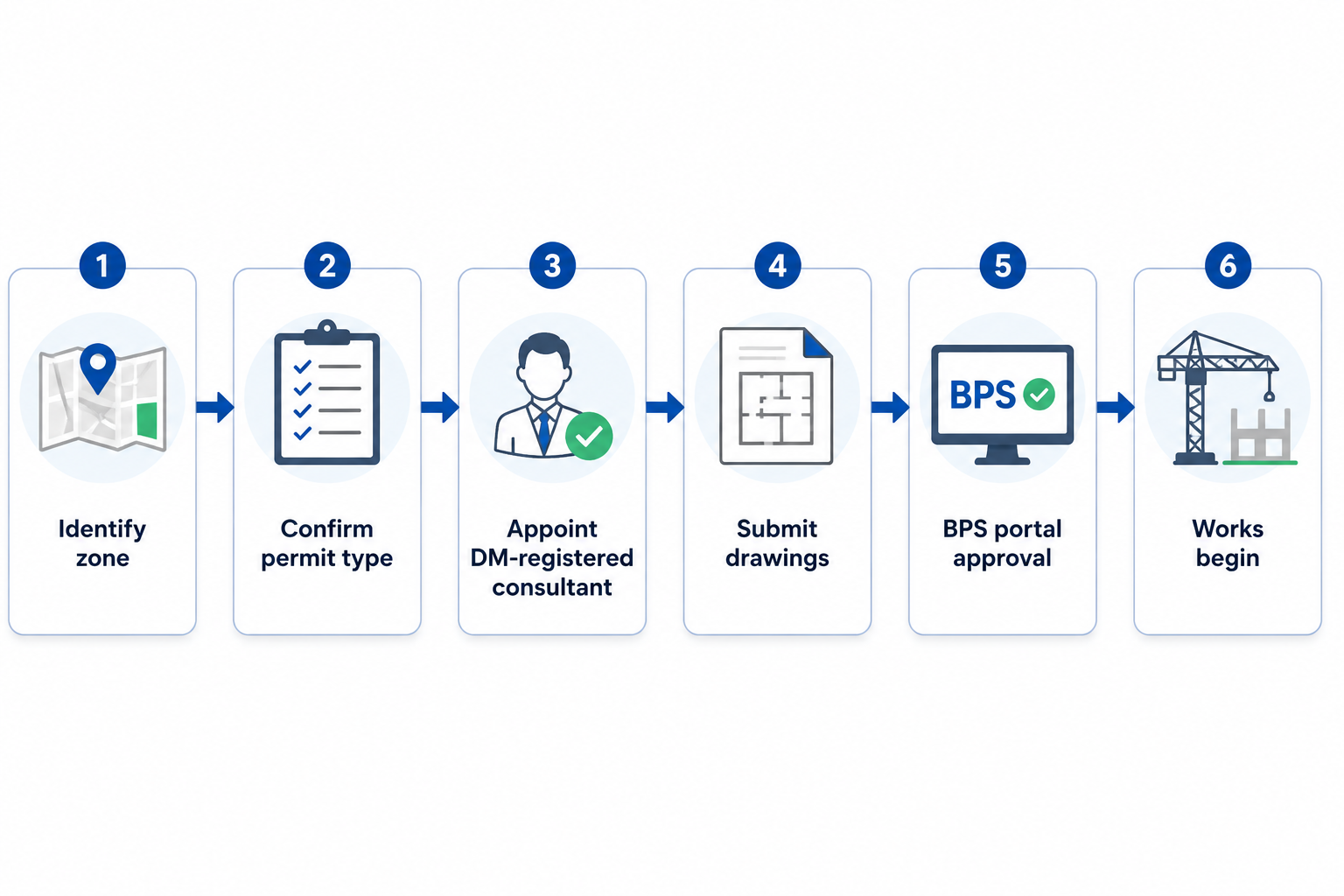
In Dubai mainland, you need a Fit-Out Permit from Dubai Municipality for any fit-out. This includes partitions, MEP changes, or layout modifications. Submit your permit request via the BPS portal before starting any work. Starting without approval triggers stop-work notices, fines, and potentially forced reinstatement at the tenant's cost.
The authority isn't always Dubai Municipality — it depends on where your office is:
| Location | Approval Authority |
|---|---|
| Dubai Mainland | Dubai Municipality — BPS Portal |
| DIFC | DIFC Authority |
| DMCC / JLT | DMCC Authority |
| Dubai Internet City / TECOM | TECOM |
| Emaar Properties | Emaar NOC + DM |
| Abu Dhabi | Abu Dhabi City Municipality |
Two permit types: A Self-Decor Permit covers cosmetic works only — paint, flooring, no structural changes, no MEP. Faster and simpler. A full Fit-Out Permit is required for partitions, MEP changes, new wet areas, or ceiling modifications — needs architectural and MEP drawings from a DM-registered consultant, Ejari contract, trade licence, and fire safety compliance.
Drawings that don't meet Dubai Building Code standards get rejected and resubmitted. Each cycle adds weeks with no site progress. Engaging a DM-registered engineering consultant from day one is the most cost-effective insurance against approval delays.
Step 3: Budget Realistically by Tier
Set your budget range before selecting contractors - not after.
| Specification | AED per Sqft | Typical Profile |
|---|---|---|
| Basic | AED 80–150 | Startups, short-lease, co-working |
| Standard | AED 150–250 | Corporate offices, professional services |
| Premium | AED 250–400 | Banks, law firms, regional HQs |
| Luxury / Bespoke | AED 400–600+ | Flagship offices, C-suite suites |
DIFC and Downtown Dubai run 20–25% above equivalent specification in JLT or Business Bay.
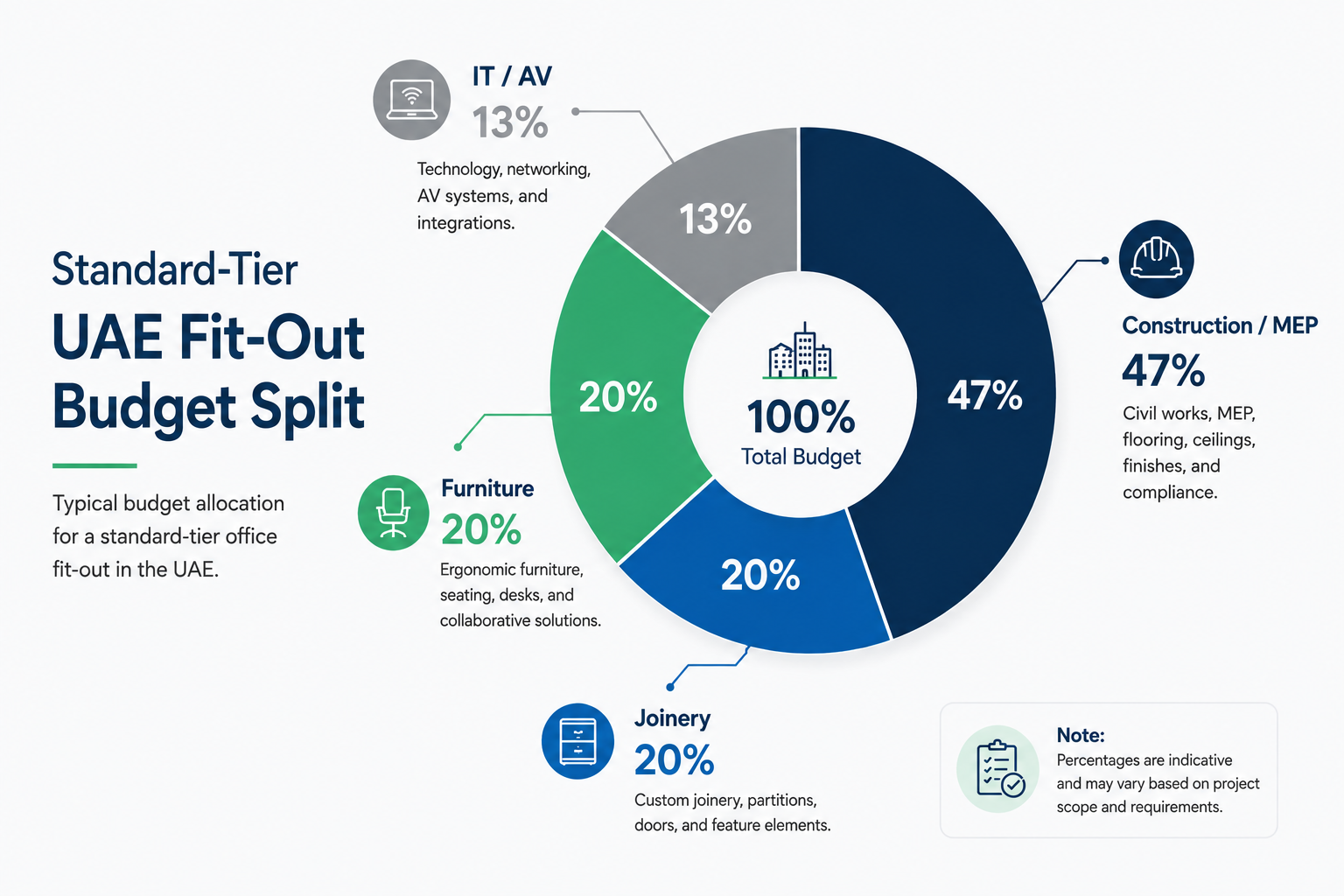
Where the budget goes: Construction and MEP: 40–55%. Joinery: 15–25% (the most underestimated line). Furniture: 15–25%. IT and AV: 10–15%.
The most common budget mistake: furniture absorbs construction overruns because it's ordered last. This produces premium-finished offices with chairs that don't adjust and desks at the wrong height. EU-OSHA research identifies musculoskeletal disorders from poor workplace furniture as the leading occupational health issue globally. Furniture deserves a protected budget line from brief stage — not the residual.
A height-adjustable standing desk and BIFMA-certified ergonomic chair per workstation should be named line items in the brief budget, not additions considered after the construction contract is signed.
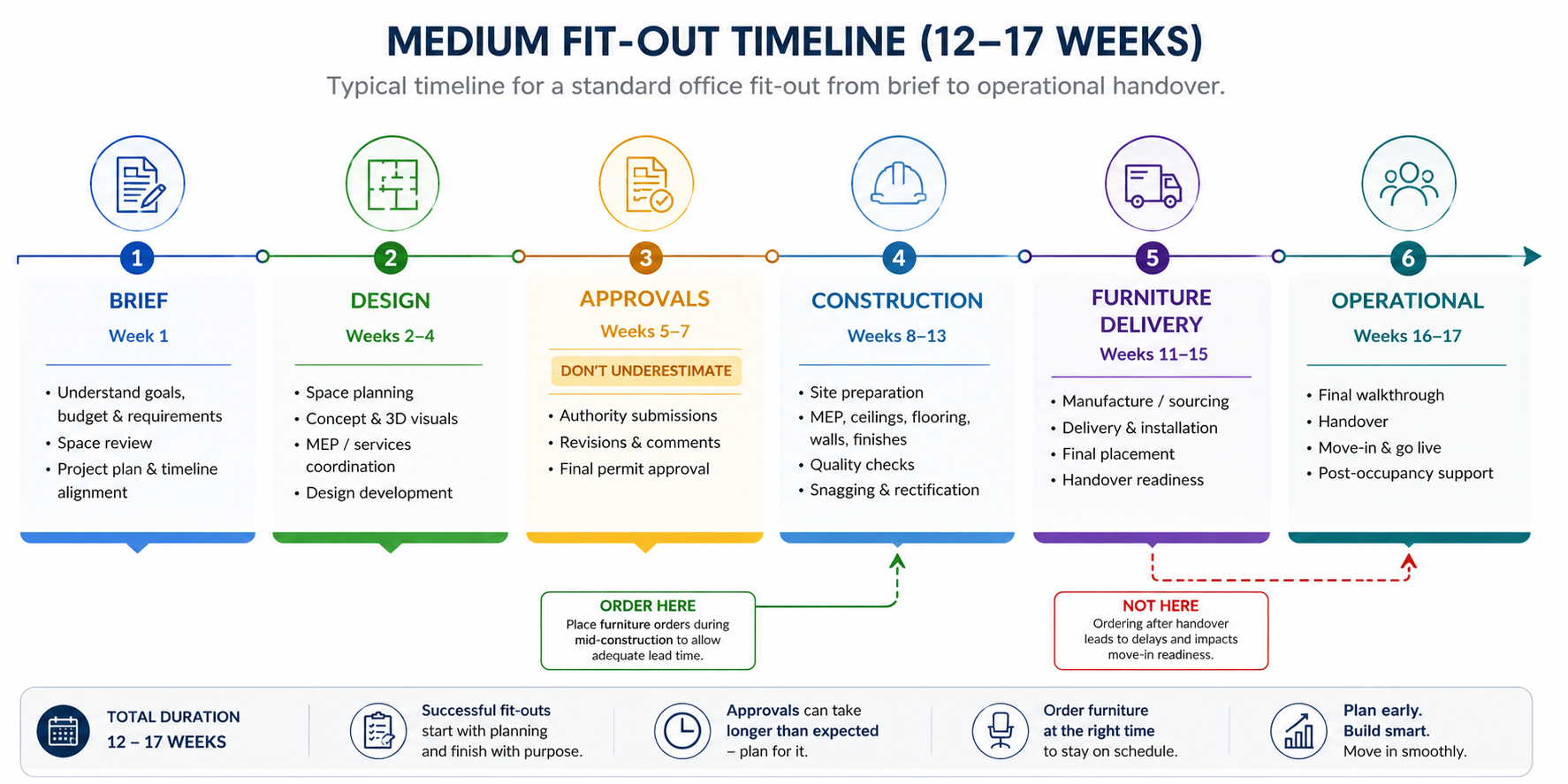
Step 4: Plan the Real Timeline
The number businesses quote is construction duration. The number that matters is brief to handover — and those are never the same.
| Project Size | Design | Approvals | Construction | Total |
|---|---|---|---|---|
| Small (under 2,000 sqft) | 2–3 wks | 1–2 wks | 3–5 wks | 7–10 weeks |
| Medium (2,000–5,000 sqft) | 3–5 wks | 2–3 wks | 6–9 wks | 12–17 weeks |
| Large (5,000–10,000 sqft) | 4–6 wks | 3–4 wks | 9–13 wks | 17–23 weeks |
| Enterprise (10,000+ sqft) | 6–10 wks | 4–6 wks | 14–22 wks | 24–38 weeks |
The approval phase is consistently underestimated. First-submission drawings that don't meet code come back with comments, get revised, resubmit — adding 2–4 weeks with zero site progress while rent runs.
The furniture timing rule: order during construction, not after handover. Standard stock items: 1–2 week lead time. Custom finishes and large volumes: 3–6 weeks. Ordering at handover means 4–6 weeks of an office you're paying rent on but can't use.
Step 5: Specify Furniture for Your Actual Team
Generic furniture specification produces generic outcomes. Three decisions determine 80% of whether a UAE office works ergonomically:
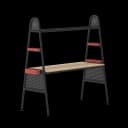
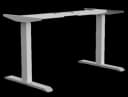
Desk height: Fixed 75cm desks are correct for 30-40% of a typical international UAE team. Height-adjustable standing desks reach every user's correct ergonomic position - sitting and standing. The Navodesk range covers 58–123cm, serving every realistic height from the same desk.
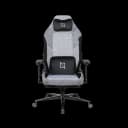
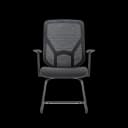
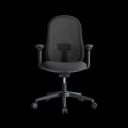
Chair adjustability: BIFMA certification is independent verification - not a self-rating. Adjustable lumbar depth, seat depth control, and multi-directional armrests are the features that serve different bodies. All chairs in Navo's ergonomic range - HALO, ErgoMax, AERO, ATOM, NANO - carry BIFMA certification.
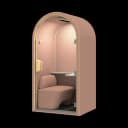
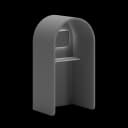
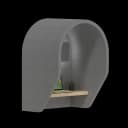
Acoustic zones: Office pods and acoustic phone booths are classified as furniture - no permits required, operational within a day. Specifying them in the fit-out brief produces better placement, better power access, and lower total cost than adding them after move-in when the noise problem becomes undeniable.
The Five Mistakes That Kill UAE Fit-Out Projects
Starting on site before permits are approved. Stop-work notices halt everything. Reinstatement of unpermitted works costs more than the permit. Permits first. Always.
Treating furniture as the budget residual. The line item squeezed to cover construction overruns is the one your team interacts with for 8–10 hours daily. Wrong prioritisation.
Specifying for an average user. Fixed heights and non-adjustable chairs serve a narrow range correctly and the rest compensate. In a UAE team spanning 45cm of height variation, adjustable is the functional specification.
Missing acoustic zones in the brief. Retrofitting pods into a finished office is more expensive and more constrained than specifying them from the start. Open-plan hybrid offices without acoustic separation lose up to 86 minutes of productive time per employee daily according to workplace productivity research.
Ordering furniture at handover. Four to six weeks of empty, unusable, rent-paying office. Entirely avoidable.
Where to Go From Here
Check out our article on Office Furniture & Workspace Planning UAE: The Complete Guide.
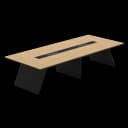
For furniture specification — chairs, desks, pods, meeting tables — browse the complete office furniture UAE range or visit our Dubai showroom at Al Khabaisi Complex, 74 2B Street, Al Khabaisi. Call +971 4 262 2422.
Browse: Workspace Optimization
Frequently Asked Questions
- Basic: AED 80–150/sqft. Standard corporate: AED 150–250/sqft. Premium: AED 250–400/sqft. Luxury bespoke: AED 400–600+/sqft. DIFC and Downtown run 20–25% above JLT or Business Bay at equivalent spec.
- Yes - for any partitions, MEP changes, or structural modifications on Dubai mainland. Cosmetic-only works use the faster Self-Decor Permit. Free zones have separate authorities. Confirm your zone before starting design.
- No. Freestanding furniture - pods, standing desks, chairs - is classified as furniture, not construction. No permit required.
- Cat A is what the landlord delivers - bare shell with basic MEP and fire systems. Cat B is the tenant's fit-out - partitions, joinery, furniture, IT, and everything that makes it work for your team.
Need Help Building Your Ergonomic Setup?
We'll guide you to the perfect chair, desk setup, and comfort tips for a productive workday.
Shop Office FurniturePopular Blogs
View all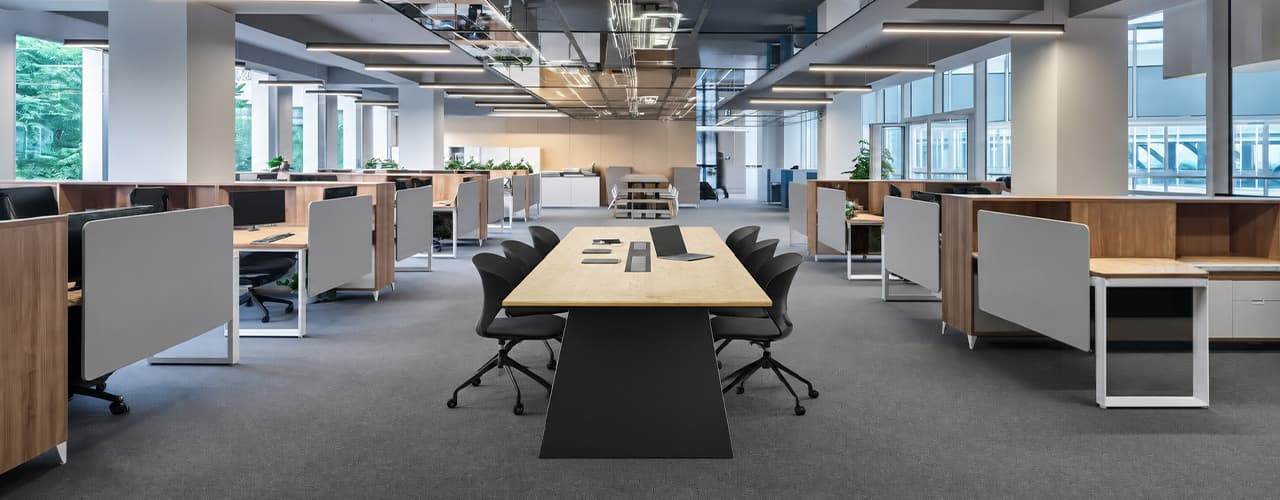
Open Plan vs Cubicle vs Hybrid Office Layout: Which Is Right for You?
The open-plan office was supposed to fix everything the cubicle farm got wrong. It didn't. It created a different set of problems and left people nostalgic for the one thing cubicles did well: quiet. The hybrid layout is positioned as the solution that addresses the shortcomings of both. It might be only if it fits how a specific team works. It shouldn't be a mix of two philosophies that didn’t help the team before. This guide shows what each layout offers and where it falls short. It also helps you choose the best option-or combination-for your office in Dubai or the GCC.
Key Findings
*Global office use is now at 53%, up from 38% in 2024. Also, 69% of teams have over 40% of their staff sharing desks. This shows that 2019 workspace designs don’t fit current needs.
*A Harvard study found that open-plan spaces often lower face-to-face interaction. Instead, they boost digital communication. This is the opposite of what these designs aim for.
*A hybrid model conversion at a 120-person SaaS company restored engineering deployment speed to baseline. It also reduced voluntary turnover in technical roles by 18% over nine months.
*Steelcase research shows that companies improving their work environment boost productivity by 17%.
*In 2026, the most innovative UAE offices aren’t just picking open plans or cubicles. They’re creating “activity neighborhoods.” These are clusters of spaces designed for different work styles.
*No layout is universally right. The best choice depends on your team's work style, industry, hybrid attendance ratio, and specific acoustic needs for your floor.
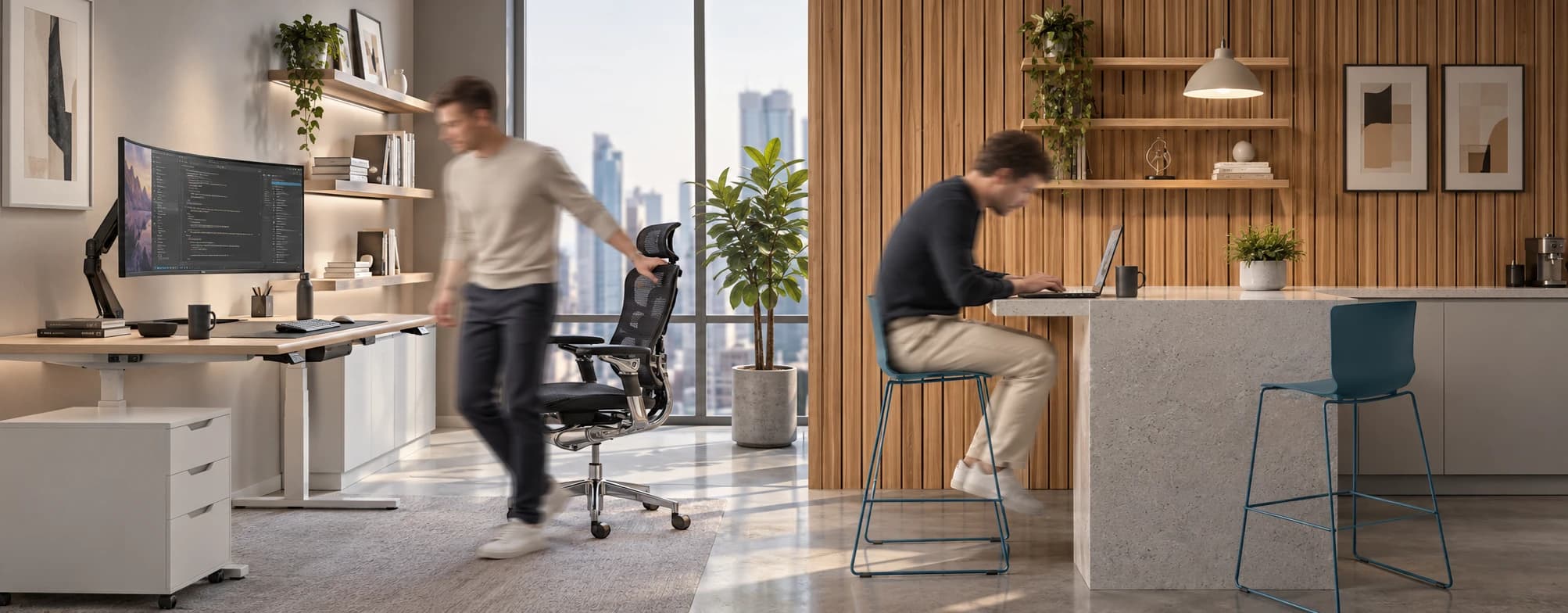
Sitting isn’t the Enemy, How You Sit Is: How to Align Your Desk for Zero Back Strain
If your job keeps you at a desk for most of the day, you are not alone—and you are not stuck. Software developers and data entry keyers spend 100% of a typical workday seated, while financial managers sit for 94%. Sitting is a standard part of modern work, so the real goal is learning how to reduce its physical impact while staying productive.
What the Research Shows
*Sedentary Volume: Adults in high-income countries spend 11–12 hours daily sitting over 75% of their waking hours (British Journal of Sports Medicine).
*Cardiovascular Risks: Sitting 6–8 hours daily increases cardiovascular event risk by 125% to 150% (Mayo Clinic).
*The 22-Minute Counter: 22 minutes of daily moderate-to-vigorous activity (brisk walking, cycling, active housework) offsets the mortality risk of prolonged sitting (BJSM).
*Micro-Break Impact: 5-minute movement breaks every hour significantly reduce fatigue and improve mood without hurting work performance (2026 BJSM Study).
*Gym Fallacy: A 60-minute workout in the morning does not fully reverse 9 hours of continuous sitting; daily movement breaks are still required.
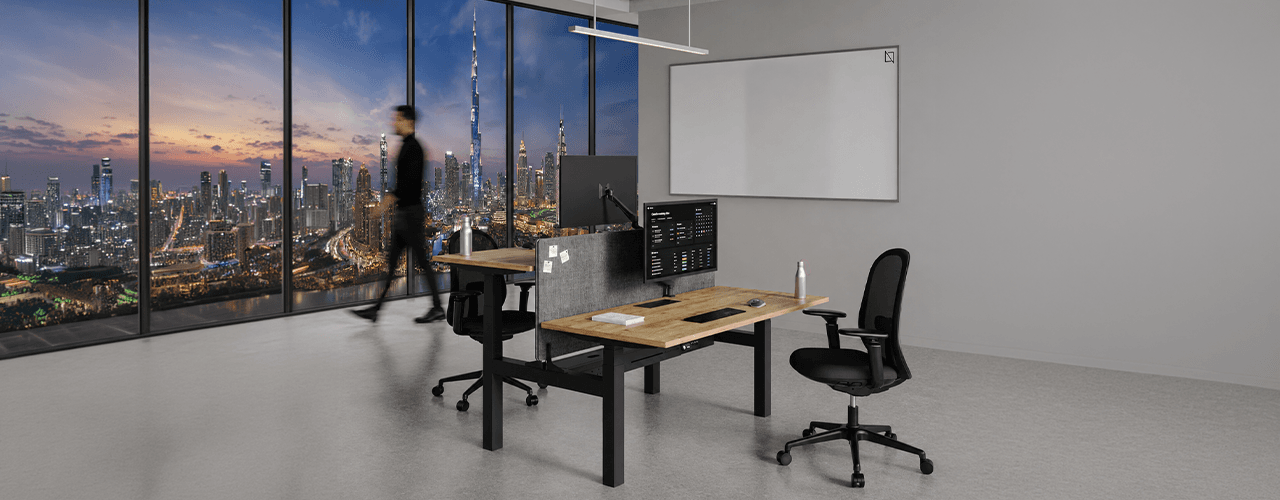
The Ultimate Office Furniture Setup Checklist for Modern Teams
Most offices aren't badly furnished. They're incompletely furnished. A great chair paired with the wrong desk height. A standing desk with no monitor arm. A collaborative floor with no acoustic separation.
The gap is rarely one big thing. It's several small things missing from the same setup at the same time.
This checklist covers every furniture category a modern UAE office needs — what to look for, what to avoid, and what the research says about each. Use it for a new fit-out, an upgrade review, or a department-by-department audit.
Key Findings
*The chair is the top furniture investment for knowledge workers. It has the most contact hours and directly impacts posture, energy, and afternoon performance.
*Fixed desks at 75cm fit about 30–40% of UAE office teams well. Height adjustability isn’t a luxury; it meets everyone’s needs.
*Open-plan offices without acoustic zones can lose employees up to 86 minutes of productive time each day. This is based on workplace productivity research.
*EU-OSHA highlights musculoskeletal disorders as the top workplace health concern worldwide. Poor seating and desk height are key factors.
*CBRE's 2026 Global Workplace Insights reveals that 69% of organizations have over 40% of staff sharing desks. This shift means adjustability is now a standard requirement, not just an upgrade.
*Quality ergonomic chairs last 8–12 years. A BIFMA-certified chair costs less per year when spread over 10 years. This cost is lower than one physiotherapy session for occupational back pain in Dubai.
You x Navo
Feel free to reach out to us for any queries & concerns