

 Visit our Showroom
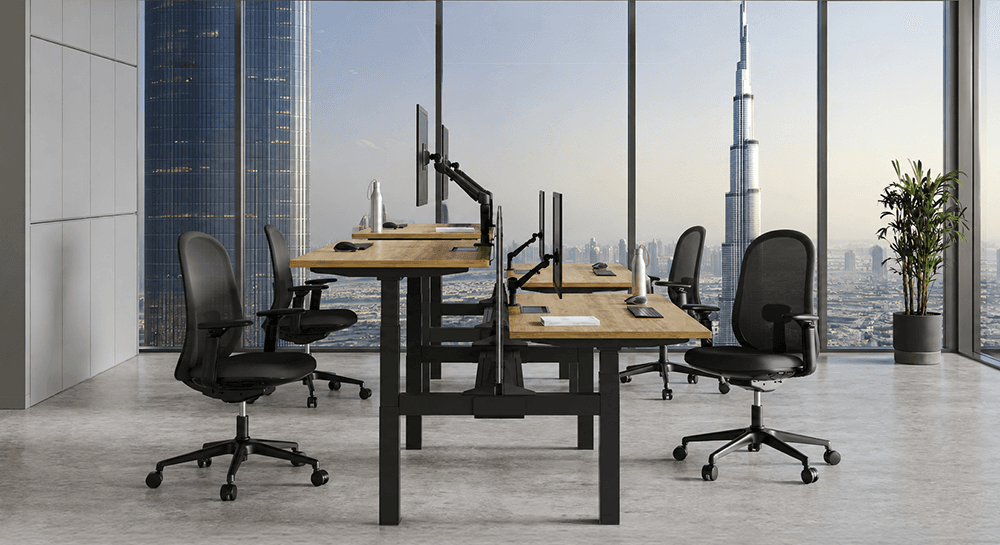
Walk into most Dubai offices built before 2022, and you'll find the same setup. A grid of fixed 75cm desks. Chairs that look ergonomic but don't adjust properly. A meeting room perpetually booked. No acoustic separation. A team making it work despite the furniture, not because of it.
The workspace was planned once - on move-in day - and never revisited. That's not workspace planning. That's furniture procurement followed by years of accumulated workarounds.
This guide approaches it differently. Workspace planning is an ongoing business decision, not a one-time purchase. The questions it answers shift with your team, as hybrid work changes space use. Also, as we learn more about what boosts productivity, the answers evolve. We've been supplying and specifying office furniture across UAE, Saudi Arabia, Qatar, Kuwait, Bahrain, and Oman since 2019. What follows is what we've learned from installations that worked - and the decisions that made the difference.
Take me to
The Problem with How Most UAE Offices Are Planned
In the UAE, many choose office furniture backwards. They focus on looks first, then layout, and finally budget. Ergonomics and acoustics often come last. The result is an office that looks right in the site visit photograph and underperforms from day one.
The sequence that works is the reverse. Start with how your team actually works. Then plan the space around those patterns. Then specify furniture that serves each zone correctly. Aesthetics operate within that framework, not above it.
Three questions cut through most planning confusion:
Who is working here, doing what, and for how long? The answers determine desk height, chair adjustability, acoustic separation, and the mix of collaborative and individual space. A legal firm in DIFC has 40 lawyers focused on document work all day. This team needs a different setup than a tech team in Dubai Internet City. The tech team holds daily stand-ups and client calls across time zones.
How many people are actually in the office on any given day? CBRE's 2026 Global Workplace Insights reports UAE corporate offices averaging 60–70% peak occupancy under hybrid models. Specifying a desk for every headcount position wastes floor area at AED 150–300 per sqft. A utilization model changes the workstation count, the floor plan, and the acoustic zone requirements.
What does your lease allow and for how long? A 2-year lease in Business Bay needs a different capital investment than a 7-year flagship commitment in DIFC. Shorter leases favour modular, moveable solutions. Freestanding office pods over built meeting rooms. Height-adjustable standing desks that move with you rather than fixed joinery that writes off at exit.
What a Complete UAE Office Actually Covers
Most offices underplan two specific things: acoustic separation and workstation ergonomics. Both show clear productivity costs. These make investing worthwhile, far beyond just the furniture prices.
Individual Workstations — The Zone Most Offices Get Wrong
The standard UAE office desk sits at 75cm. That height is ergonomically correct for approximately 30–40% of users — those around 173–180cm tall. In Dubai offices, teams come from many cultures. Their heights vary from 155 cm to 200 cm. This leads to daily struggles: shoulders are raised, wrists are stretched, and necks are bent forward. That compensation accumulates. EU-OSHA research shows that musculoskeletal disorders are the top workplace health issue worldwide. A key cause is having the wrong desk height for long periods.
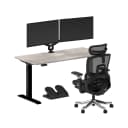
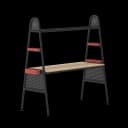
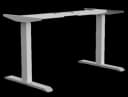
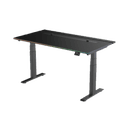
The fix isn't complicated. Height-adjustable standing desks help users find the right ergonomic sitting position. They also allow for sit-stand changes, which can reduce fatigue and back pain. Not as a wellness perk. As a functional workspace requirement. The Navodesk range covers from 58cm minimum (Flex L-Shape) to 123cm maximum — serving every realistic user height in a UAE team from the same desk.
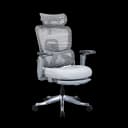
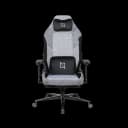
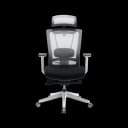
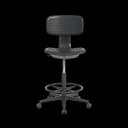
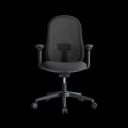
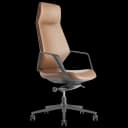
The chair decision is equally specific. A BIFMA-certified ergonomic chair is key for a full workday. It has adjustable lumbar depth, seat depth control, and multi-directional armrests. A chair that looks ergonomic but has only seat height adjustment provides limited ergonomic benefit. The HALO Chair features a mesh back, supports 135kg, has five recline positions, and offers adjustable lumbar support. The ErgoMax All Mesh includes 5D armrests, a height-adjustable backrest, and a hidden footrest. Both chairs have BIFMA certification and genuine adjustability, verified independently.
Accessories enhance the workstation. They include monitor arms that keep screens at eye level, footrests for shorter users, and cable management for standing desks. These cables need to handle 40–50 cm of vertical movement with each height change.
Collaborative Spaces — Sized for Real Teams, Not Ideal Teams
In Dubai offices, a big issue is the 10-person boardroom. It gets used for 4-person meetings all day. Because of this, teams struggle to find space for quick stand-ups. This misalignment is a space planning failure, not a shortage of meeting rooms.
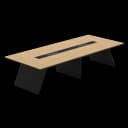
The ideal planning ratio is 1 formal meeting room for every 10–15 employees. This is for scheduled sessions. Also, include dedicated spaces for daily interactions of 2–6 people that don’t need a boardroom. Meeting tables sized correctly for the room matter — a table that's too large leaves no clearance for chairs to pull out; too small and the room feels underfurnished. Our meeting table sizing guide covers the specific dimension calculations.
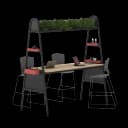
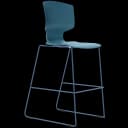
For informal collaboration — the quick team review, the spontaneous cross-team discussion, the standing check-in — high tables at 90–110cm serve this without the floor area or booking overhead of a seated meeting table. Teams standing at high tables hold shorter, more decisive conversations than teams waiting for a conference room to free up.
Acoustic Zones — The Gap Almost Every UAE Office Has
Open-plan noise can waste employees up to 86 minutes of productive time daily, as shown by workplace productivity studies. In a Dubai or GCC office, 40–50% of desks might be on video calls at once. These calls span US, European, and APAC time zones. Unmanaged acoustics aren't just uncomfortable; they signal an operational failure.
The WELL Building Standard tackles this issue directly. Offices need quiet zones and sound barriers. Relying on open-plan designs hoping noise stays low isn’t enough. Research from Occupational and Environmental Medicine links sustained noise exposure to reduced accuracy, slower task performance, and elevated cortisol.
Three acoustic layers address different parts of the problem:
Fabric panels on walls and ceilings absorb sound. This cuts down on reverberation. In Dubai offices, where hard marble floors, glass walls, and exposed ceilings create echoes, this is especially important.
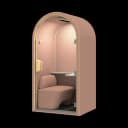
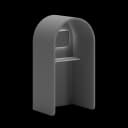
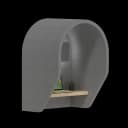
Blocking through office pods and acoustic phone booths creates enclosed acoustic separation. Pods count as furniture in UAE regulations. This means no permits from Dubai Municipality are needed. There’s no construction timeline, so you can be operational within a day of delivery. From AED 3,350 for a standing phone booth to AED 59,999 for a 6-person Navopod Vanta Hexa conference pod, the acoustic solutions range covers every capacity level.
Masking low-level background noise makes nearby conversations harder to understand. This is important in places where even soft speech can distract people at nearby workstations.
One effective planning ratio is: one solo pod for every 8–10 open workstations for privacy. Also, have one team pod for every 15–20 people for group sessions. Start there and adjust after 30 days of real utilisation data.
Storage — Functional, Compliant, and Often Underspecified
Storage requirements are consistently underestimated in UAE fit-outs.
The planning minimums are:
One mobile pedestal for each assigned desk.
One locker for every 1.5 employees in hot-desk spaces.
One linear meter of shared storage for every 3 to 4 team members.
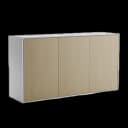
Executive offices require a dedicated credenza or built-in storage. This filing should be easily accessible without extra floor units.
For industries like finance, healthcare, and law, lockable storage is essential for compliance. It's not just an option. Under the DIFC Data Protection Law and UAE PDPL, physical document security is part of the data protection obligation. Secure lockable storage cabinets from Navo support this without compromising the clean professional aesthetic modern Dubai offices require.
Reception and Client-Facing Areas
The front-of-house is the first physical brand signal every client, candidate, and partner receives. In Dubai's business culture, personal connections matter a lot. If your reception area doesn’t reflect your service quality, it sends a message before you even speak.
Finish specification should follow your sector's signal requirements. Professional services and financial firms in DIFC build credibility with dark veneers and sleek metal accents. Technology and creative businesses in Dubai Design District and Dubai Media City show innovation. They use white surfaces and smart lighting to enhance their message. Neither is universally right — both are wrong when the aesthetic misrepresents the brand.
Reception desks and visitor chairs serve the functional component. Lounge seating adjacent to the reception creates the informal waiting zone that Gensler's 2026 Workplace Survey identifies as increasingly expected in leading corporate office environments.
What Happens When You Get It Wrong
The four biggest workspace planning mistakes we often find in UAE office assessments are:
Wrong workstation ergonomics over time. A 165cm professional using a 75cm desk faces a keyboard that is 5cm too high. Over a 10-year career, this setup leads to about 20,000 hours of having elevated shoulders. That doesn't produce a single acute event. It causes slow wear on muscles and bones. This causes absenteeism, higher physiotherapy costs, and employees to leave. Sitting at work is just too painful.
No acoustic separation in hybrid environments. One open-floor video call disrupts 8–10 surrounding colleagues simultaneously. When that's happening at 30–40% of desks, the floor is unusable for focus work. The team routes around it by booking meeting rooms for individual calls, which then denies meeting rooms to actual meetings. The whole acoustic problem cascades into a space problem.
Meeting rooms sized for maximum capacity, not typical use. A 10-person boardroom occupied by 3–4 people for 80% of its bookings is expensive underutilisation. The floor area in Dubai's commercial buildings usually measures 18–25 sqm. It costs around AED 150–300 per sqft. This setup offers a much better return when used as a pod cluster, increasing daily interactions by four times.
Furniture ordered after fit-out handover. The gap between construction completion and furniture delivery — typically 4–6 weeks — is 4–6 weeks of an office your team can't use. Order during construction. Arrive at handover. Be operational from day one.
The Compliance Layer
UAE employers have legal duties under UAE Labour Law Federal Decree No. 33 of 2021. They must ensure employee health and safe working conditions. International frameworks — OSHA ergonomic guidelines, BIFMA certification standards, and the WELL Building Standard — define what compliant workstations look like in practice.
BIFMA certification is the key marker. An office chair or desk with ANSI/BIFMA certification has been tested. It checks for structural strength, load capacity, and ergonomic support. A chair without certification is self-rated — the manufacturer's claim about their own product. For shared or hot-desk workstations used by many people each day, BIFMA-certified furniture is a must, not just an option. All HALO, ErgoMax, AERO, NANO, and Navodesk PRO products in Navo's range carry BIFMA certification.
For a full breakdown of what UAE employers are required to provide and how to document compliance, see our dedicated office ergonomics compliance guide for UAE employers .
The Sustainability Consideration
ESG reporting requirements and the UAE Net Zero 2050 strategy make sustainable furniture specification a business requirement for an increasing number of UAE organisations — not just a brand position.
Key specification criteria:
FSC-certified or responsibly sourced materials
Low-VOC adhesives and finishes are key for LEED's Low-Emitting Materials credits. They also meet WELL standards for air and acoustic quality in enclosed pod spaces.
Recyclable components
The Navopod Cove range has UL Greenguard certification. This means it has low chemical emissions. It's ideal for enclosed spaces and companies that must meet formal ESG disclosure rules.
Where to Go From Here
This guide frames the planning decisions. Each has its own deep-dive:
How to Plan an Office Fit-Out in UAE — permits, timelines, cost ranges, authority approvals by zone
Signs Your Office Needs a Furniture Upgrade — the signals most businesses miss until they're expensive
Office Ergonomics Compliance Guide for UAE Employers
Covers UAE Labour Law, OSHA, and BIFMA requirements.
Translates these into specific furniture specifications.
Details coming soon.
The True Cost of Poor Office Ergonomics — the quantified cost against the investment to fix it
Visit our Dubai showroom at Al Khabaisi Complex, 74 2B Street, Al Khabaisi. You can see the full Navo range here, including desks, chairs, pods, meeting tables, and acoustic solutions. Call +971 4 262 2422. Browse the complete office furniture UAE range online.
Need Help Building Your Ergonomic Setup?
We'll guide you to the perfect chair, desk setup, and comfort tips for a productive workday.
Shop Office FurniturePopular Blogs
View all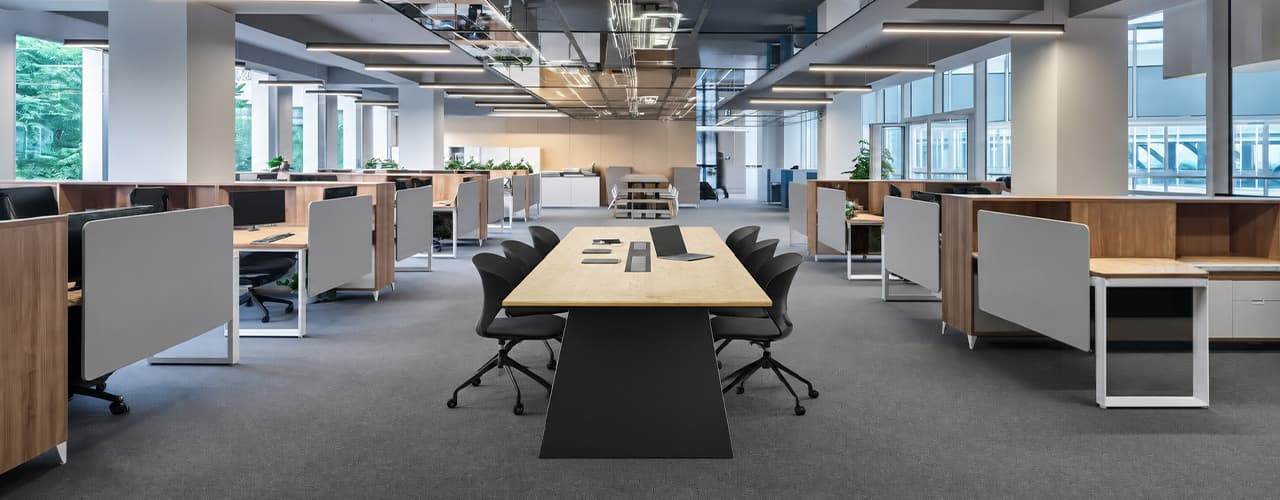
Open Plan vs Cubicle vs Hybrid Office Layout: Which Is Right for You?
The open-plan office was supposed to fix everything the cubicle farm got wrong. It didn't. It created a different set of problems and left people nostalgic for the one thing cubicles did well: quiet. The hybrid layout is positioned as the solution that addresses the shortcomings of both. It might be only if it fits how a specific team works. It shouldn't be a mix of two philosophies that didn’t help the team before. This guide shows what each layout offers and where it falls short. It also helps you choose the best option-or combination-for your office in Dubai or the GCC.
Key Findings
*Global office use is now at 53%, up from 38% in 2024. Also, 69% of teams have over 40% of their staff sharing desks. This shows that 2019 workspace designs don’t fit current needs.
*A Harvard study found that open-plan spaces often lower face-to-face interaction. Instead, they boost digital communication. This is the opposite of what these designs aim for.
*A hybrid model conversion at a 120-person SaaS company restored engineering deployment speed to baseline. It also reduced voluntary turnover in technical roles by 18% over nine months.
*Steelcase research shows that companies improving their work environment boost productivity by 17%.
*In 2026, the most innovative UAE offices aren’t just picking open plans or cubicles. They’re creating “activity neighborhoods.” These are clusters of spaces designed for different work styles.
*No layout is universally right. The best choice depends on your team's work style, industry, hybrid attendance ratio, and specific acoustic needs for your floor.
Sitting isn’t the Enemy, How You Sit Is: How to Align Your Desk for Zero Back Strain
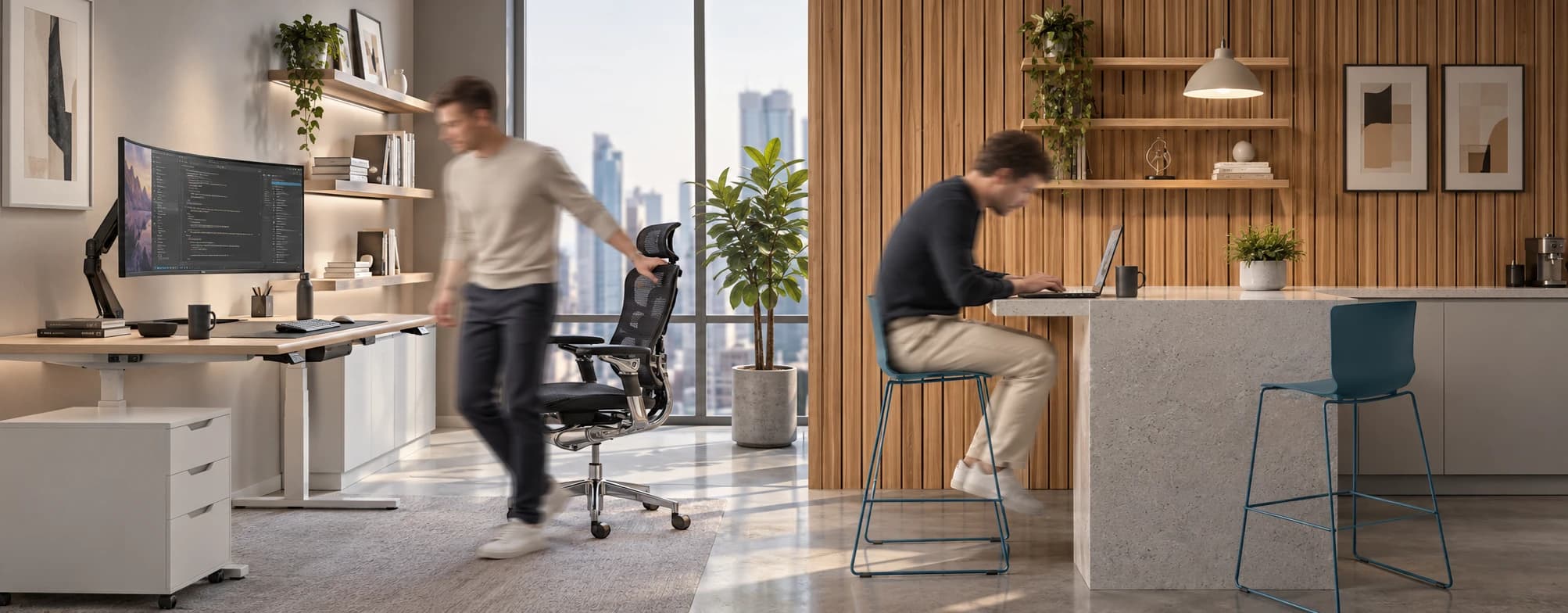
If your job keeps you at a desk for most of the day, you are not alone—and you are not stuck. Software developers and data entry keyers spend 100% of a typical workday seated, while financial managers sit for 94%. Sitting is a standard part of modern work, so the real goal is learning how to reduce its physical impact while staying productive.
What the Research Shows
*Sedentary Volume: Adults in high-income countries spend 11–12 hours daily sitting over 75% of their waking hours (British Journal of Sports Medicine).
*Cardiovascular Risks: Sitting 6–8 hours daily increases cardiovascular event risk by 125% to 150% (Mayo Clinic).
*The 22-Minute Counter: 22 minutes of daily moderate-to-vigorous activity (brisk walking, cycling, active housework) offsets the mortality risk of prolonged sitting (BJSM).
*Micro-Break Impact: 5-minute movement breaks every hour significantly reduce fatigue and improve mood without hurting work performance (2026 BJSM Study).
*Gym Fallacy: A 60-minute workout in the morning does not fully reverse 9 hours of continuous sitting; daily movement breaks are still required.
The Ultimate Office Furniture Setup Checklist for Modern Teams
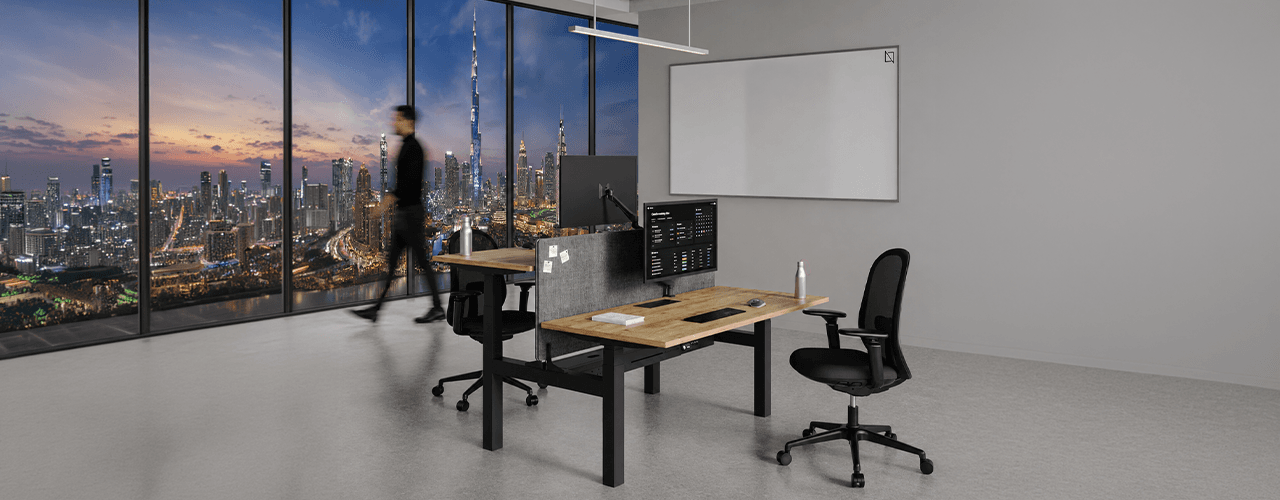
Most offices aren't badly furnished. They're incompletely furnished. A great chair paired with the wrong desk height. A standing desk with no monitor arm. A collaborative floor with no acoustic separation.
The gap is rarely one big thing. It's several small things missing from the same setup at the same time.
This checklist covers every furniture category a modern UAE office needs — what to look for, what to avoid, and what the research says about each. Use it for a new fit-out, an upgrade review, or a department-by-department audit.
Key Findings
*The chair is the top furniture investment for knowledge workers. It has the most contact hours and directly impacts posture, energy, and afternoon performance.
*Fixed desks at 75cm fit about 30–40% of UAE office teams well. Height adjustability isn’t a luxury; it meets everyone’s needs.
*Open-plan offices without acoustic zones can lose employees up to 86 minutes of productive time each day. This is based on workplace productivity research.
*EU-OSHA highlights musculoskeletal disorders as the top workplace health concern worldwide. Poor seating and desk height are key factors.
*CBRE's 2026 Global Workplace Insights reveals that 69% of organizations have over 40% of staff sharing desks. This shift means adjustability is now a standard requirement, not just an upgrade.
*Quality ergonomic chairs last 8–12 years. A BIFMA-certified chair costs less per year when spread over 10 years. This cost is lower than one physiotherapy session for occupational back pain in Dubai.
You x Navo
Feel free to reach out to us for any queries & concerns