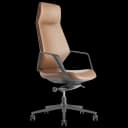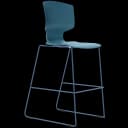


 Visit our Showroom
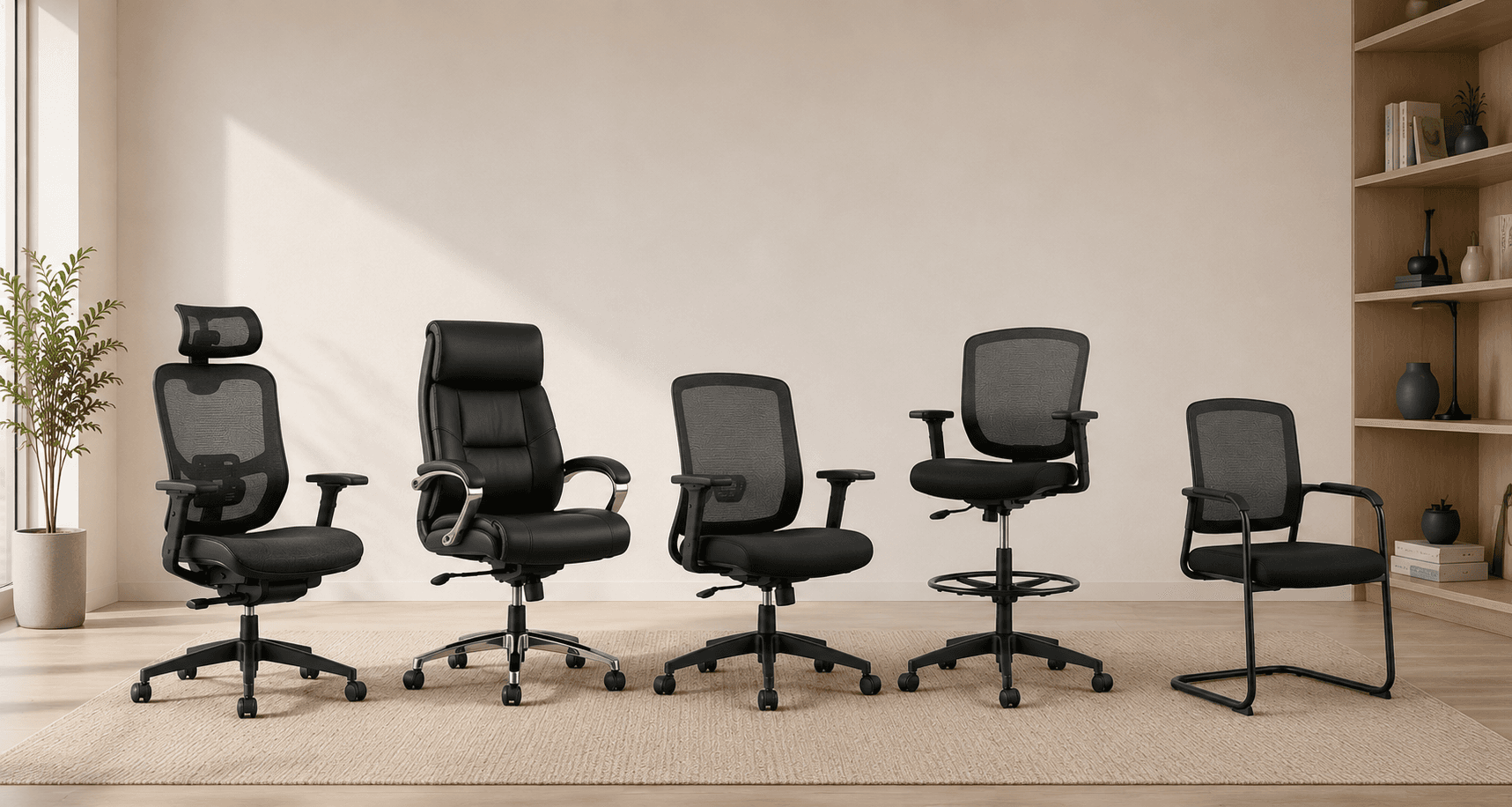
Take me to
What Is an Ergonomic Chair and Who Needs One?
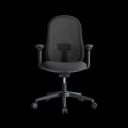
An ergonomic chair is an office chair made to fit your body. It has adjustable features like:
Seat height
Lumbar support (height and depth)
Seat depth
Multi-directional armrests
These adjustments help you work comfortably and maintain good posture.
Every ergonomic chair is an office chair; not every office chair is ergonomic.
Biomechanical research in the Ergonomics journal shows that real adjustability matters. It’s not just a name. This is what defines an ergonomic chair. A chair with only up-down lumbar adjustment (no depth adjustment) cannot fit different spinal curves. It's a visual feature, not a functional one.
Who needs an ergonomic chair: Anyone sitting 5+ hours daily at a dedicated workstation. The benefit is proportional to sitting duration and the mismatch between a standard chair and your body dimensions.
Navo Ergonomic Chairs:
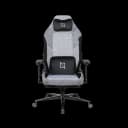
HALO: BIFMA certified, mesh material, supports 135kg, and has adjustable lumbar support.
ErgoMax All Mesh: Features 5D armrests, a height-adjustable backrest, and a hidden footrest.
AERO Fabric: Priced at AED 890, BIFMA certified, with 4D armrests.
ATOM: An award-winning chair with an aluminum frame and premium materials.
Browse the complete ergonomic chairs collection.
Read more: Ergonomic chair vs Office chairs
What Is a Task Chair and How Does It Differ from an Ergonomic Chair?
A task chair is a lightweight, compact chair made for focused desk work. It allows for easy movement. It usually has basic ergonomic features like seat height, lumbar support, swivel, and tilt. Plus, it takes up less space than full ergonomic chairs. Task chairs are designed for efficiency and movement, not for extended single-position sitting.
Key distinction: task chairs prioritise compact usability and mobility. Ergonomic chairs prioritise sustained posture support. Task chairs are great for users who switch workstations often, stand a lot, or work in tight spaces. They offer good functionality at a lower cost. For full-day dedicated workstation use, ergonomic chairs provide superior sustained support.
Navo task chairs: NANO Chair (BIFMA, 3D armrests, 4-position recline, mesh + MoldFoam), Wave Chair and others in the task chairs collection.
Read more: Task chair vs Office chairs
What Is an Executive Chair and When Is It Appropriate?
An executive chair is a high-back office chair. It’s usually cushioned and made for private offices and boardrooms. This chair focuses on comfort and presence rather than full ergonomic adjustments. The high backrest supports the upper spine and creates visual authority. Executive chairs suit private offices for single users at one height. They’re usually not good for shared or hot-desk setups.
Honest limitation: Many executive chairs prioritise aesthetics over ergonomic function. High backs often have little lumbar adjustment. They come with thick padding that compresses in about two years. Furthermore, there are few options for seat depth. When picking an executive chair, check for more than just seat height. Look for lumbar height and depth adjustments too.
Navo's ATOM Chair combines style and comfort. It features an award-winning aluminum frame. You can choose from ErgoFabric, CloudLeather, or Leather. The chair has an adjustable lumbar support and a CloudFoam™ cushion. It comes in both Mid-Back and High-Back options.
What Are Mesh Chairs and Why Are They Popular in Dubai?
Mesh chairs feature a woven fabric for the backrest and sometimes the seat. This design replaces foam upholstery, allowing air to circulate through the contact surface. Mesh chairs are much more comfortable than foam or leather for long sitting. This is especially true in climate-controlled spaces because of their breathability.
OSHA ergonomic standards don’t mention materials. However, lasting comfort relies a lot on thermal management. Dubai offices keep a temperature of 22–24°C, even when it’s 35–50°C outside. This creates a unique thermal challenge. Sitting for long periods generates body heat. The mesh helps dissipate some heat, but foam and leather can hold onto it.
In UAE environments, mesh back chairs are better for comfort during 6–8 hour workdays. The HALO Chair and ErgoMax All Mesh both feature breathable mesh backs specifically suited to Gulf climate conditions.
What Are Visitor Chairs and Lab Chairs?
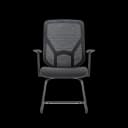
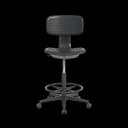
Visitor chairs are lightweight and usually non-adjustable. They are meant for guest seating in reception areas, meeting rooms, and client spaces. They're appropriate for sessions of 30–60 minutes, not extended sitting. Lab chairs are height-adjustable, typically without backrests or with minimal back support, designed for laboratory and industrial standing-height workbenches.
Navo's visitor chairs provide professional guest seating appropriate for Dubai client-facing offices. Lab chairs serve technical and laboratory environments with standing-height workbenches.
How Do Stools and High Seating Work in Modern Offices?
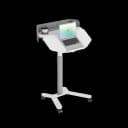
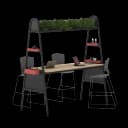
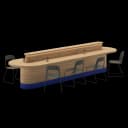
Office stools and high seating let you perch between sitting and standing. This is handy at standing-height meeting tables, collaboration bars, and sit-stand desks for quick chats. Drafting stools with back support extend comfortable high-seating duration beyond basic stools.
Navo's stools and high seating complement the high tables and meeting tables used in collaborative zones - as discussed in our smart office furniture for hybrid workplaces guide.
Frequently Asked Questions
- An ergonomic chair features adjustable lumbar support. You can change both the height and depth. It also allows for seat depth adjustment and has a seat height range to fit your ergonomic needs. The HALO Chair and ErgoMax All Mesh both meet these criteria with BIFMA certification.
- Mesh for sustained daily use in Dubai. Leather suits executive offices where people sit for shorter times or need a strong look. For 6+ hour workdays, mesh's thermal management advantage - preventing heat buildup at contact surfaces - outperforms leather in UAE climate conditions.
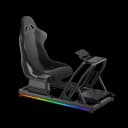
- For under 4 hours, yes with compromises. For full-day professional use, gaming chairs' bucket seat design and external lumbar pillows are ergonomically inferior to dedicated office chairs at equivalent price points. As covered in our gaming chair vs office chair comparison, the trade-off is aesthetics for ergonomic function.
Need Help Building Your Ergonomic Setup?
We'll guide you to the perfect chair, desk setup, and comfort tips for a productive workday.
Shop Office FurniturePopular Blogs
View all
Ergonomic Furniture Meets Gaming & Education: Highlights from the University of Wollongong Event
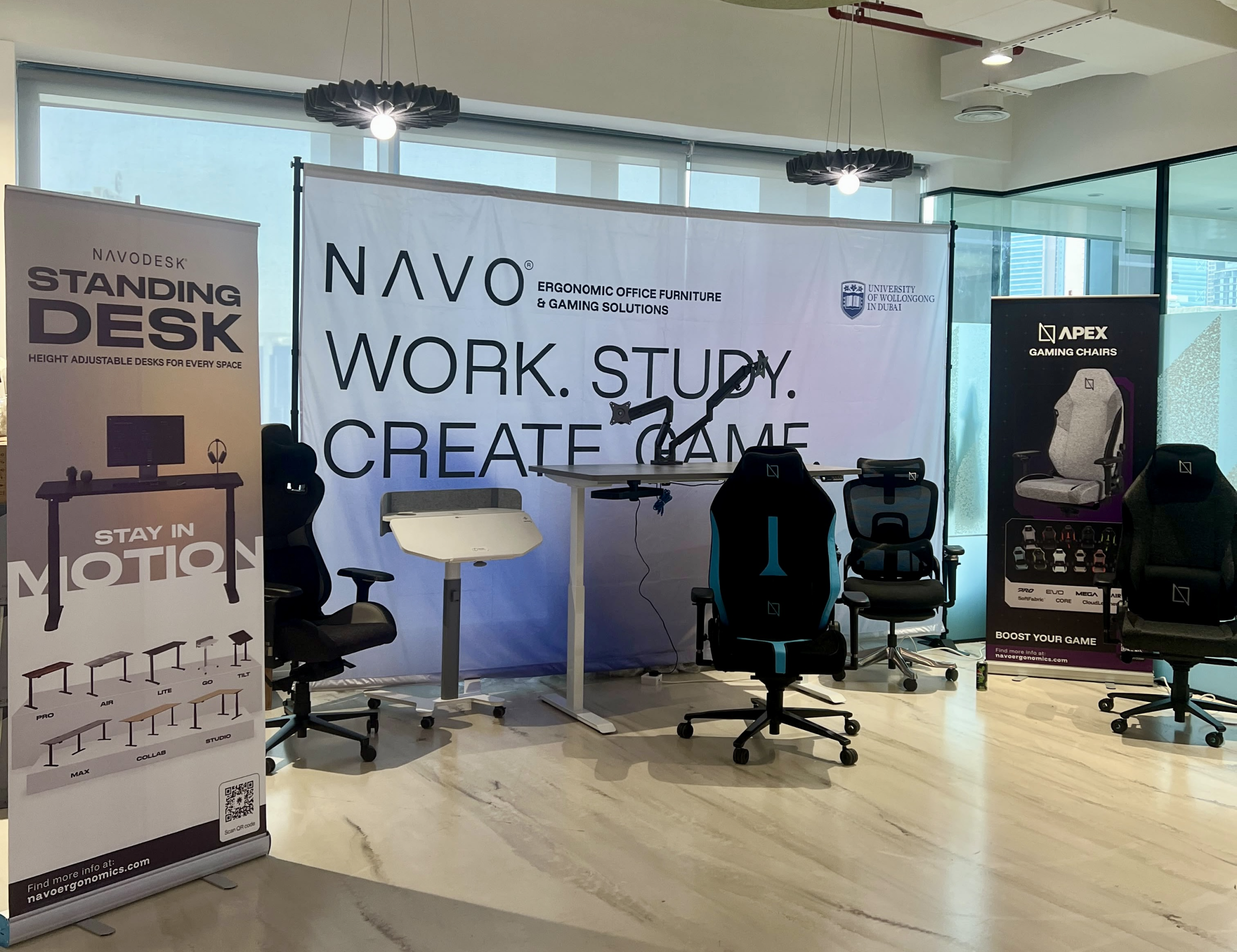
The tournament attracted over 70 participants, including avid gamers and curious onlookers. Our display featured gaming desks, chairs, and ergonomic accessories such as monitor arms. Students could compete in exciting gaming matches while experiencing our products firsthand.
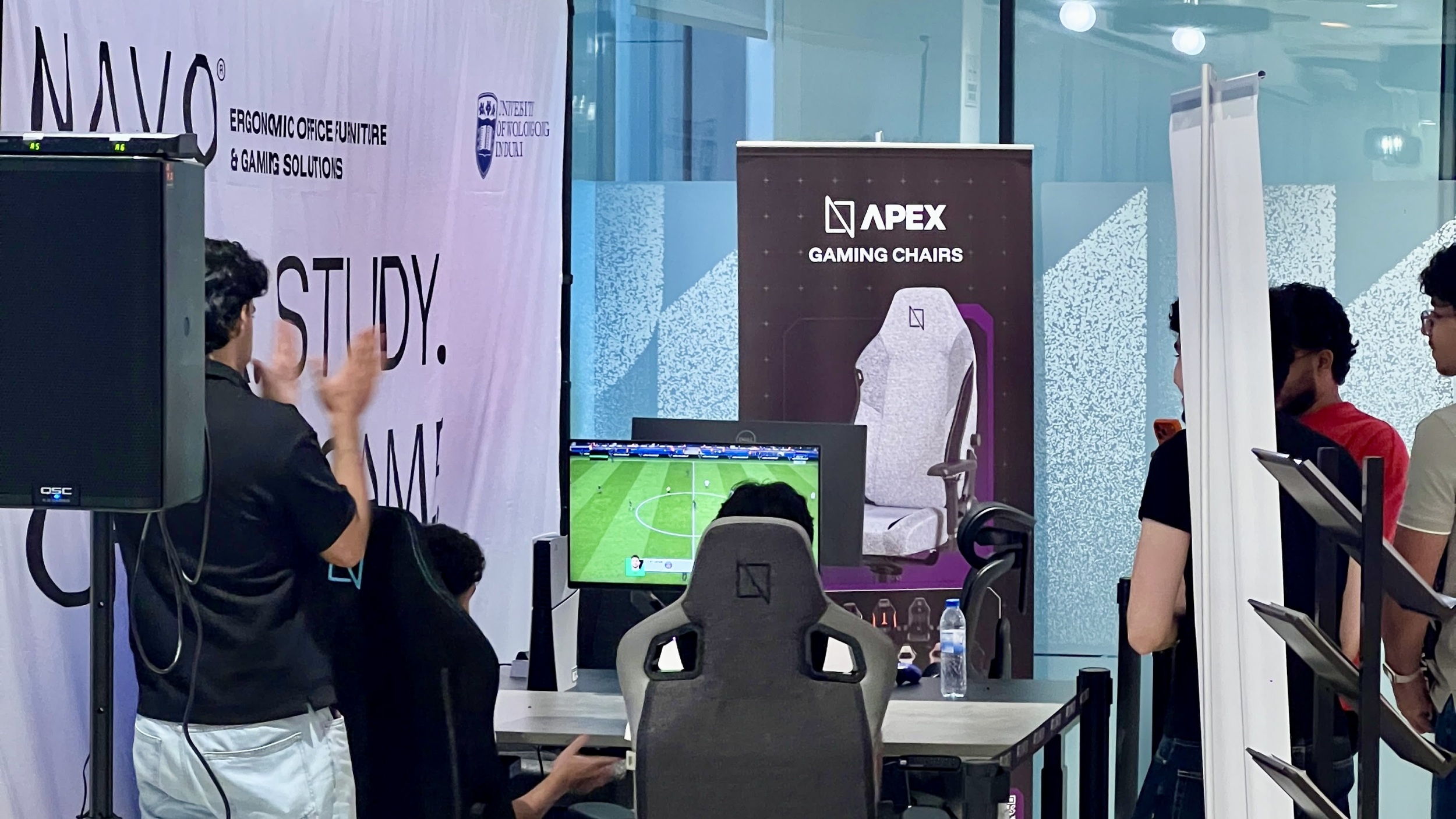
One of the event's highlights was the opportunity to experience our ergonomic gaming chairs alongside our specially designed ergonomic chairs. Students could compare their comfort, support, and overall seating experience. The feedback was overwhelmingly positive, with many participants noticing differences in posture support and comfort during extended use.
Looking back, we are encouraged by the positive interactions and insights shared by students and faculty. Promoting ergonomic awareness in university environments is a cause we strongly support, and we look forward to continuing our efforts to help create more comfortable and productive spaces for learning, gaming, and work.
Open Plan vs Cubicle vs Hybrid Office Layout: Which Is Right for You?
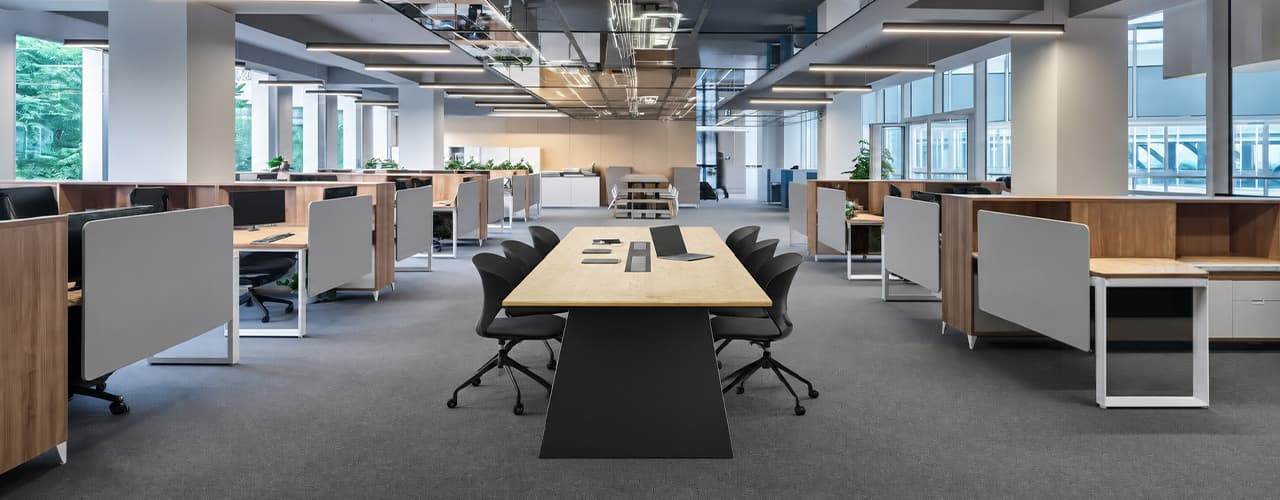
The open-plan office was supposed to fix everything the cubicle farm got wrong. It didn't. It created a different set of problems and left people nostalgic for the one thing cubicles did well: quiet. The hybrid layout is positioned as the solution that addresses the shortcomings of both. It might be only if it fits how a specific team works. It shouldn't be a mix of two philosophies that didn’t help the team before. This guide shows what each layout offers and where it falls short. It also helps you choose the best option-or combination-for your office in Dubai or the GCC.
Key Findings
*Global office use is now at 53%, up from 38% in 2024. Also, 69% of teams have over 40% of their staff sharing desks. This shows that 2019 workspace designs don’t fit current needs.
*A Harvard study found that open-plan spaces often lower face-to-face interaction. Instead, they boost digital communication. This is the opposite of what these designs aim for.
*A hybrid model conversion at a 120-person SaaS company restored engineering deployment speed to baseline. It also reduced voluntary turnover in technical roles by 18% over nine months.
*Steelcase research shows that companies improving their work environment boost productivity by 17%.
*In 2026, the most innovative UAE offices aren’t just picking open plans or cubicles. They’re creating “activity neighborhoods.” These are clusters of spaces designed for different work styles.
*No layout is universally right. The best choice depends on your team's work style, industry, hybrid attendance ratio, and specific acoustic needs for your floor.
Sitting isn’t the Enemy, How You Sit Is: How to Align Your Desk for Zero Back Strain
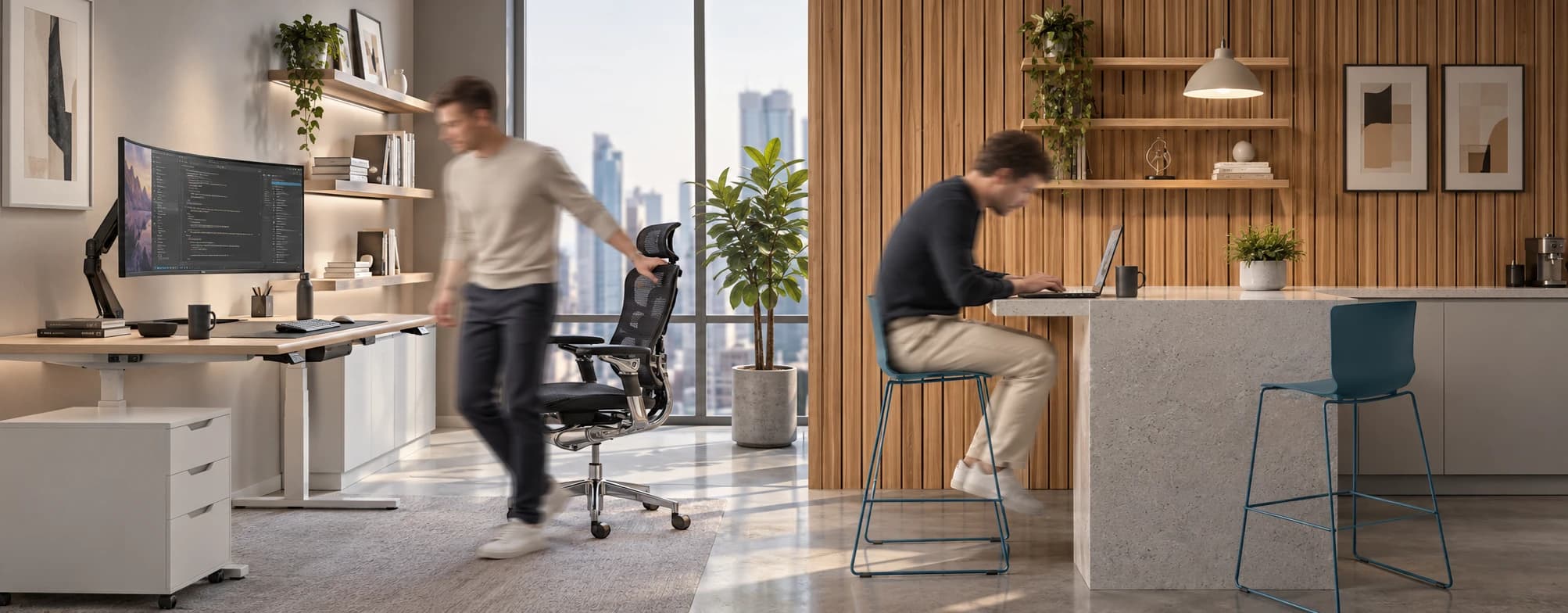
If your job keeps you at a desk for most of the day, you are not alone—and you are not stuck. Software developers and data entry keyers spend 100% of a typical workday seated, while financial managers sit for 94%. Sitting is a standard part of modern work, so the real goal is learning how to reduce its physical impact while staying productive.
What the Research Shows
*Sedentary Volume: Adults in high-income countries spend 11–12 hours daily sitting over 75% of their waking hours (British Journal of Sports Medicine).
*Cardiovascular Risks: Sitting 6–8 hours daily increases cardiovascular event risk by 125% to 150% (Mayo Clinic).
*The 22-Minute Counter: 22 minutes of daily moderate-to-vigorous activity (brisk walking, cycling, active housework) offsets the mortality risk of prolonged sitting (BJSM).
*Micro-Break Impact: 5-minute movement breaks every hour significantly reduce fatigue and improve mood without hurting work performance (2026 BJSM Study).
*Gym Fallacy: A 60-minute workout in the morning does not fully reverse 9 hours of continuous sitting; daily movement breaks are still required.
You x Navo
Feel free to reach out to us for any queries & concerns