

 Visit our Showroom
 +971 585905046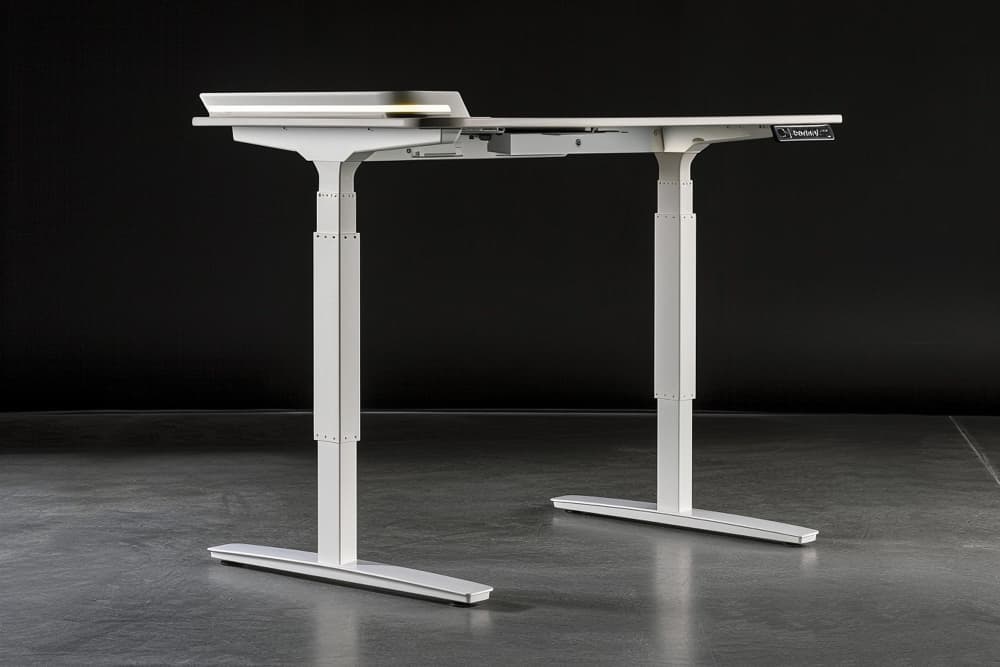
- Stiffen Muscles
- Dull Focus
- Energy Drops
Take me to
Health Benefits of Using Standing Desks
The right desk helps you move, breathe, and think better. Let’s get to know more about the health benefits of using standing desks.
Less Pain
Sitting locks your spine in one curve for hours. Pressure builds. Muscles tighten. Standing breaks that pattern. It lets the spine return to its natural shape. The neck stays upright, shoulders settle back, and core muscles engage. Over time, pain fades, posture steadies.
Better Focus
The body fuels the mind. When you move, blood carries more oxygen to the brain. Standing keeps that flow steady. You stay alert, respond quicker, and think clearer. Work feels lighter when the body stays awake.
More Energy
Stillness drains strength. A few minutes of standing restores it. The change in posture activates circulation and keeps fatigue from settling in. Many notice fewer afternoon slumps — a small shift, a lasting effect.
Lower Risk
Long sitting slows metabolism and weakens the heart over years. Standing won’t replace exercise, but it cuts idle time. It keeps glucose and blood pressure in better control. It’s a small habit that guards against big problems.
Stronger Habit
Movement builds awareness. Once you start alternating between sitting and standing, your body reminds you when to shift. Focus sharpens. Productivity grows quietly, without effort. The desk becomes part of that rhythm — steady, simple, essential.
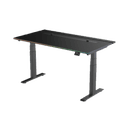
Standing Desks by Navo® Ergonomics
Built for balance. Designed with purpose. Each standing desk in our collection is crafted for comfort and precision.
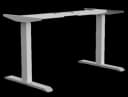
The height-adjustable frames move smoothly, holding steady at any level. Surfaces are finished for endurance — resistant to wear, easy to clean, and made to last through years of use.
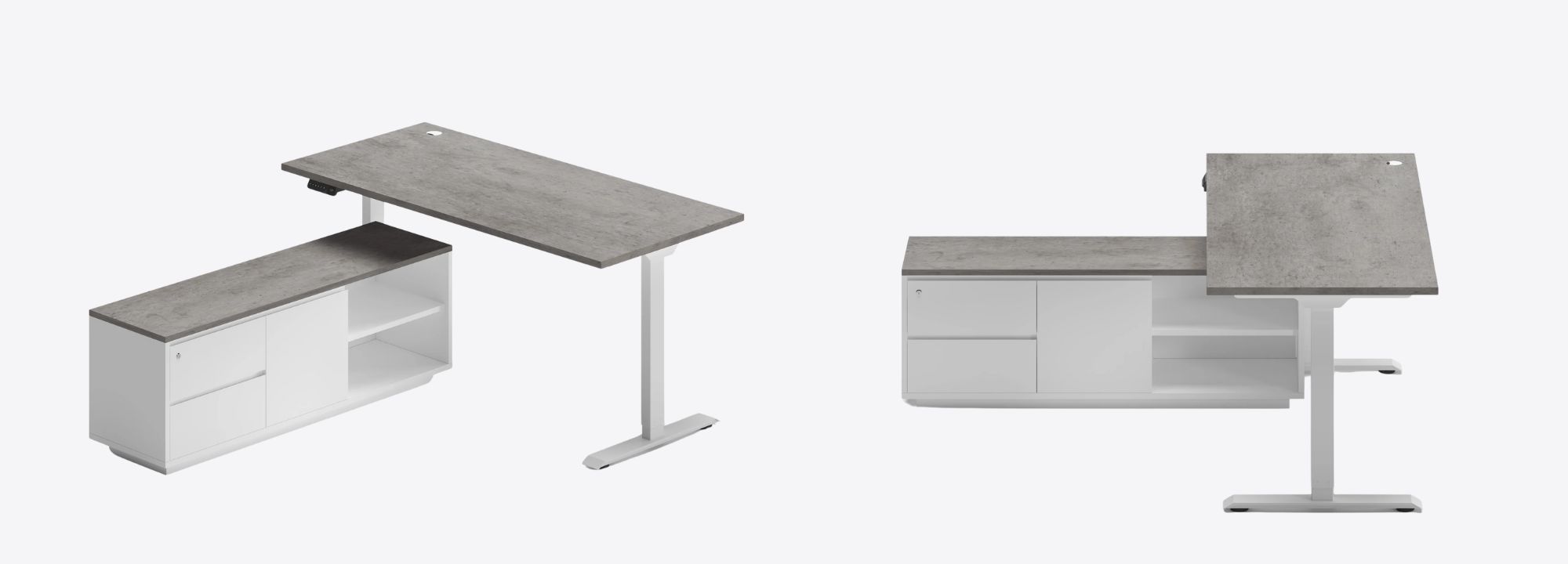
Find your fit. Work in motion.
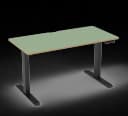
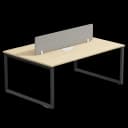
Choose from compact desks for small work zones, full-sized stations for executive spaces, and minimalist designs for hybrid offices. Each one holds the same promise — strength, stability, and quiet motion.
A desk that works as hard as you do.
Need Help Building Your Ergonomic Setup?
We'll guide you to the perfect chair, desk setup, and comfort tips for a productive workday.
Popular Blogs
View all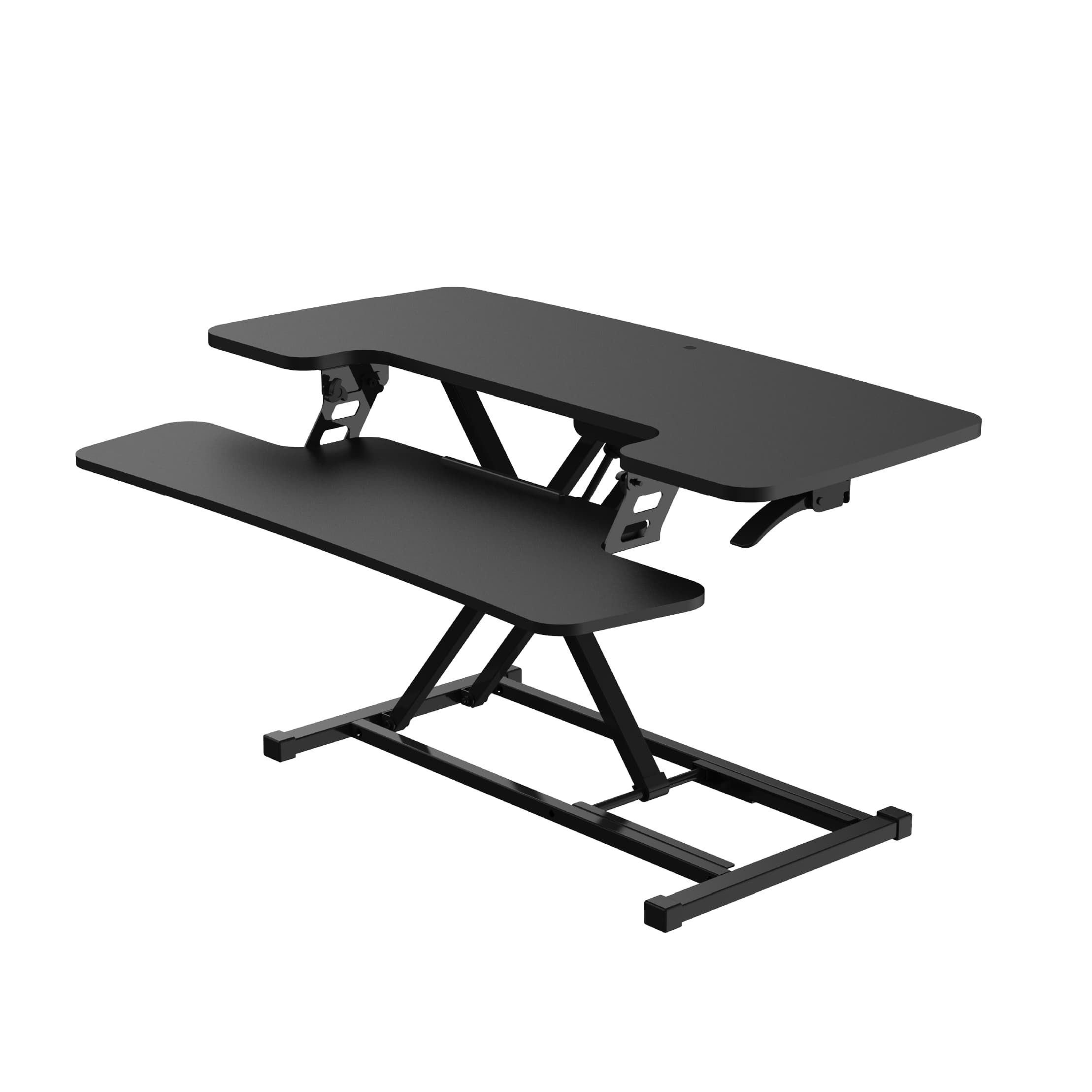
What Is a Desk Riser?
There's a moment most WFH professionals recognise—somewhere around 2 PM, lower back tightening, energy dipping, suddenly very aware you haven't moved in three hours. The solution everyone recommends is a standing desk. The price tag makes you reconsider.
Enter the riser desk—positioned as a cheaper, easier alternative. But what actually is it, and does it genuinely solve the same problem?
So lets understand what is a desk riser and what's the difference between standing desk and desk riser
What Is a Desk Riser?
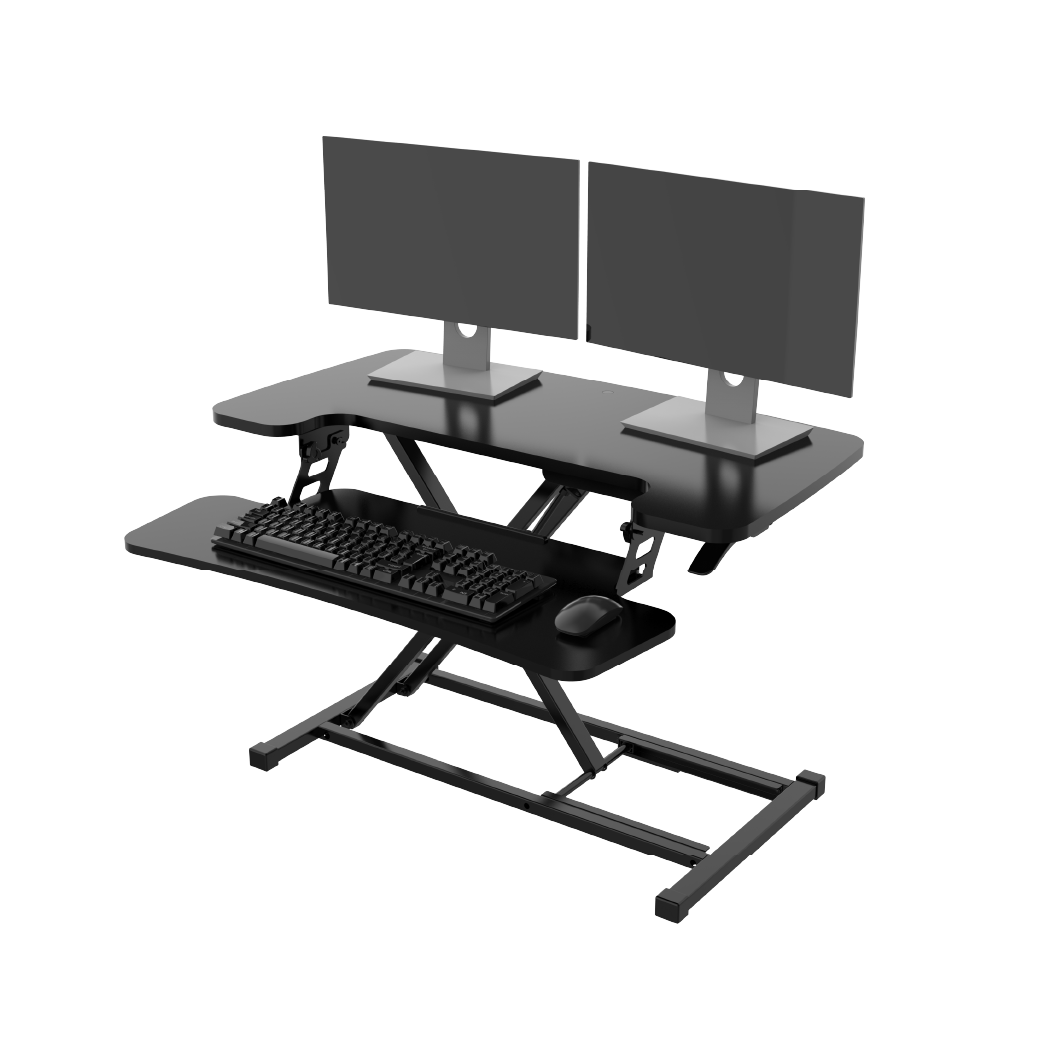
A riser desk—also called a standing desk converter or desk riser—is a height-adjustable platform that sits on top of your existing desk surface, raising your monitor, keyboard, and mouse to standing height without replacing your desk.
It's an add-on, not a replacement. Your current desk stays exactly where it is. The converter creates a raised working layer above it, which you lift when you want to stand and lower when you sit.
Think of it as a workstation within a workstation.
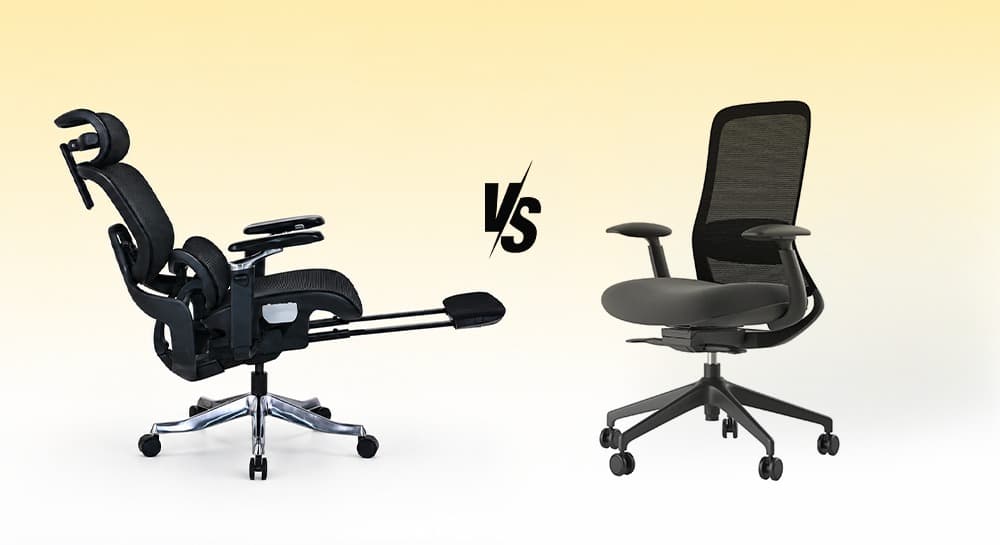
Ergonomic Chair vs Office Chair: Which One Should You Choose?
Most people don't start searching for an ergonomic chair.
They start searching because something hurts.
A stiff lower back. Tight shoulders. Neck strain after a long day at the desk.
That's usually when the question appears:
Should I buy an ergonomic chair or a regular office chair?
The answer depends less on the chair category and more on how long you sit, how often you work at a desk, and how much adjustment your body actually needs.
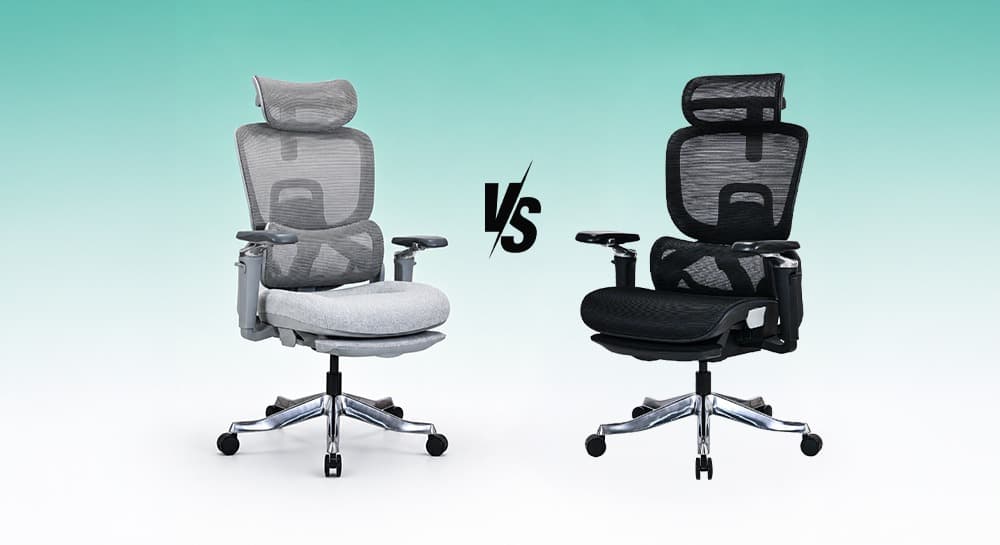
Mesh Chair vs Cushion Chair: Which One Is Better for Long Hours?
Most people choose an office chair based on first impression.
Mesh chairs feel cooler. Cushion chairs feel softer.
But long-term comfort is more complicated than that.
The main comparison of mesh and cushion office chairs focuses on five key factors:
-
Posture support
-
Airflow
-
Pressure distribution
-
Maintenance
-
Long-term performance
It's not just about how they feel in the first 10 minutes.
That’s why users often change opinions over time.
A chair that feels soft initially may feel tiring later. A firmer ergonomic chair may feel better after weeks of consistent work.
Neither option is universally better.
The right choice depends on how you sit, work, and move every day.
You x Navo
Feel free to reach out to us for any queries & concerns